Pujara Urges Young IPL Stars To Keep India Dream Alive
Cheteshwar Pujara says young cricketers should treat the IPL as a pathway to Team India, not as the final goal of their careers.
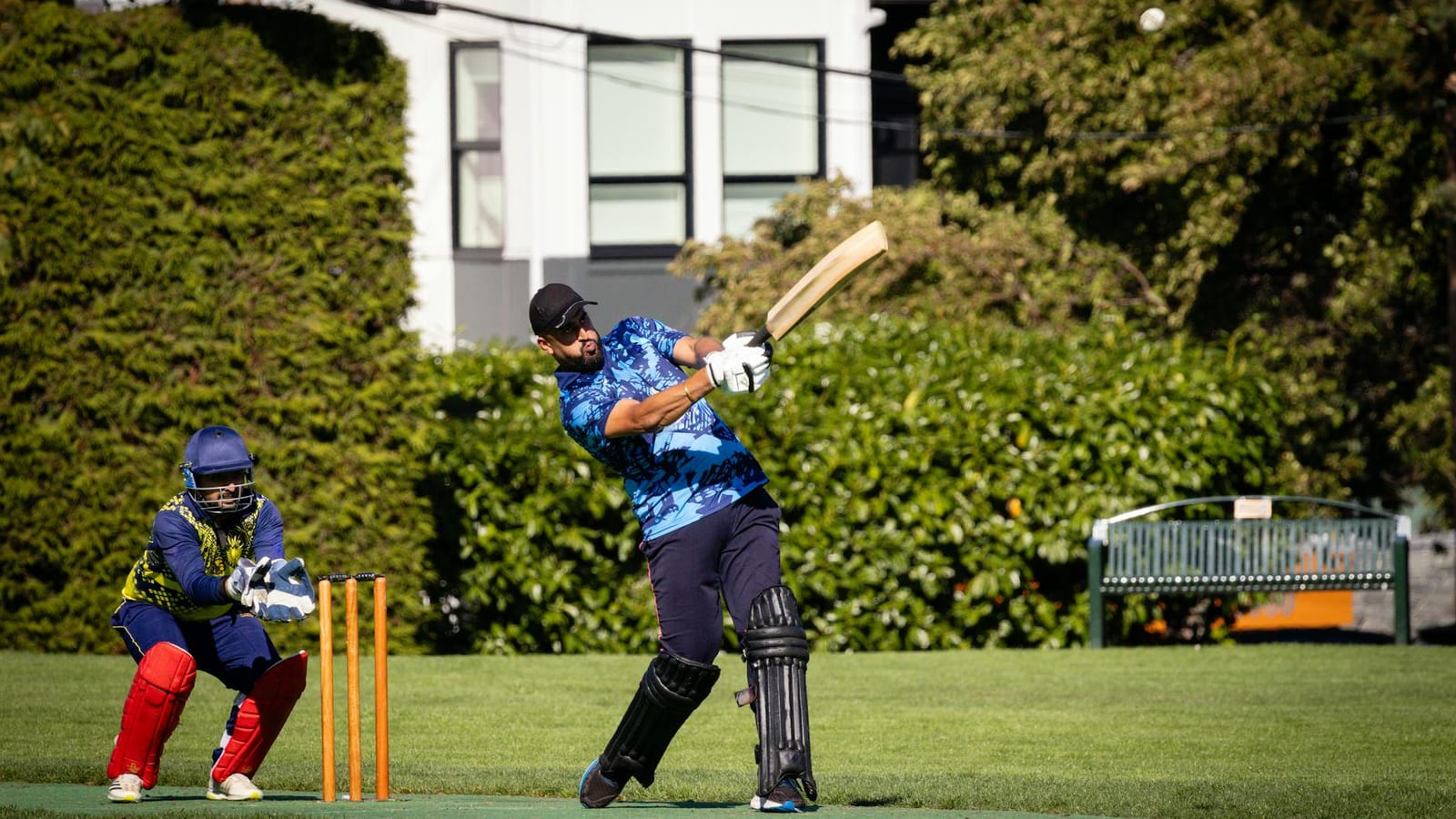
A 14-year-old can now walk into the IPL glare before many classmates finish school exams.
That is thrilling, but also dangerous if the dream becomes too small. Cheteshwar Pujara has seen enough cricket to know the difference between a big contract and a bigger career.
His message to India’s new cricket kids is simple. Play the IPL, learn from it, earn from it, but do not stop there.
Pujara’s warning to young players
Pujara said young cricketers should keep dreaming of playing for Team India. The IPL matters, he made that clear. But it should become a road, not the final destination.
That advice carries weight because Indian cricket now moves very fast. A teenager can face international stars in April and become famous by May. One viral innings can change a family’s life.
Players like Vaibhav Suryavanshi and Ayush Mhatre show how young talent is entering the spotlight early. The old waiting room has almost vanished.
Earlier, a player spent years in domestic cricket before India noticed him. Now, scouts, franchises and fans spot talent almost instantly. That creates opportunity, but also pressure.
Pujara’s point is not anti-IPL. It is about ambition. A young batter should not train only for 20 overs, flat pitches and boundary clips.
India still needs players who can win World Cups. It also needs cricketers who can survive tough spells in Tests. The best careers will not belong to one-format specialists alone.
IPL is not the enemy
Pujara also pushed back against a familiar complaint. Many fans say the IPL has damaged Test cricket. He does not buy that argument.
He pointed to Jasprit Bumrah, Mohammed Siraj and Mohammed Shami as examples. All 3 grew through the IPL system and became serious Test performers for India.
That is a fair reminder. The IPL has not only produced sloggers. It has produced fast bowlers with nerve, batters with range, and fielders with sharper standards.
The league throws young players into high-pressure cricket. They face packed stadiums, cameras, analysts and ruthless match situations. That can harden a player quickly.
But there is a catch. T20 success can tempt a player into shortcuts. A batter may chase power before technique. A bowler may chase slower balls before control.
This is where good coaching matters. The best young players must learn how to switch gears. A six in the IPL is useful. A patient 80 in a Ranji Trophy match also matters.
Indian cricket cannot treat formats like rival political parties. T20, ODIs and Tests now feed each other. The smart player learns from all 3.
Senior-junior balance matters
Pujara also spoke about selection, and here he sounded very practical. He said performance should decide places, not only age.
If a senior player keeps scoring runs or taking wickets, age alone should not push him out. If form falls and does not return, selectors must look at options.
That sounds obvious, but Indian cricket rarely handles this calmly. We either worship experience or demand a full clear-out after every bad series.
The truth sits somewhere in between. A team needs young energy, but it also needs older heads. Big tournaments punish panic.
A dressing room with only young players can become restless. A side with too many fading seniors can become slow and predictable.
Pujara’s own career explains this balance. He built his reputation on patience, concentration and long-format grit. Those qualities do not trend every week, but teams miss them under pressure.
For young players, the message is sharp. Do not assume a franchise deal means India selection will follow. Also, do not assume one bad season ends a senior’s value.
Selection rooms look at roles, conditions and temperament. They ask who can handle a chase, who can bowl with an old ball, who can bat after lunch on day 4.
That is why the IPL should be part of the resume, not the whole resume.
Commentary gives Pujara another lens
Pujara also explained how he prepared for commentary. That part was revealing, because fans know him as a quiet man on the field.
He said speaking about cricket does not feel difficult to him. But analysing players for viewers needed fresh preparation.
That means studying a player’s method, past record and current form. In the IPL, that list is long. It includes young Indians, senior Indians and overseas players.
This matters because commentary is no longer just description. Viewers already know the score. They want context, patterns and little clues.
Why is a batter struggling against pace? Why does a spinner bowl wider to one left-hander? Why is a captain holding back one over?
Pujara’s move into commentary also reflects a wider shift. Former players now shape public opinion almost as much as selectors do. Their words can frame how fans see a youngster.
That is why his advice to young cricketers lands beyond one interview. He is not shouting from outside the system. He is reading the game from inside its changing machinery.
Mumbai Indians need a reset
Pujara also spoke about Mumbai Indians, whose uneven form has become a talking point. He accepted that their performances have dipped.
But he did not sound alarmed. He noted that Mumbai had bounced back with a strong win against Lucknow.
His view was simple. The players need to sit together, plan better and ride out the bad form. Once quality players find rhythm, they become hard to stop.
That is classic IPL reality. A team can look broken for 10 days and dangerous the next week. Momentum changes quickly in a 20-over league.
For Mumbai, the issue is not only talent. They have enough of that. The question is timing, roles and clarity under pressure.
Who attacks in the powerplay? Who anchors after 2 quick wickets? Who bowls the 17th over when the match tilts?
These small calls decide IPL seasons. Fans often see only the sixes and wickets. Teams spend nights arguing over match-ups, batting slots and bowling plans.
Pujara’s larger message fits Mumbai too. Reputation helps, but only performance keeps you alive.
For ordinary fans, this debate is about more than selection theory. It is about what Indian cricket wants to reward. If the system rewards only instant fame, young players will chase instant cricket. If it rewards range, patience and hunger for India, the IPL can become what it should be: a brilliant launchpad, not a ceiling.