Pujara Urges Young IPL Stars To Keep India Dream Alive
Cheteshwar Pujara says young cricketers should value the IPL stage but keep playing for India as their highest career goal.
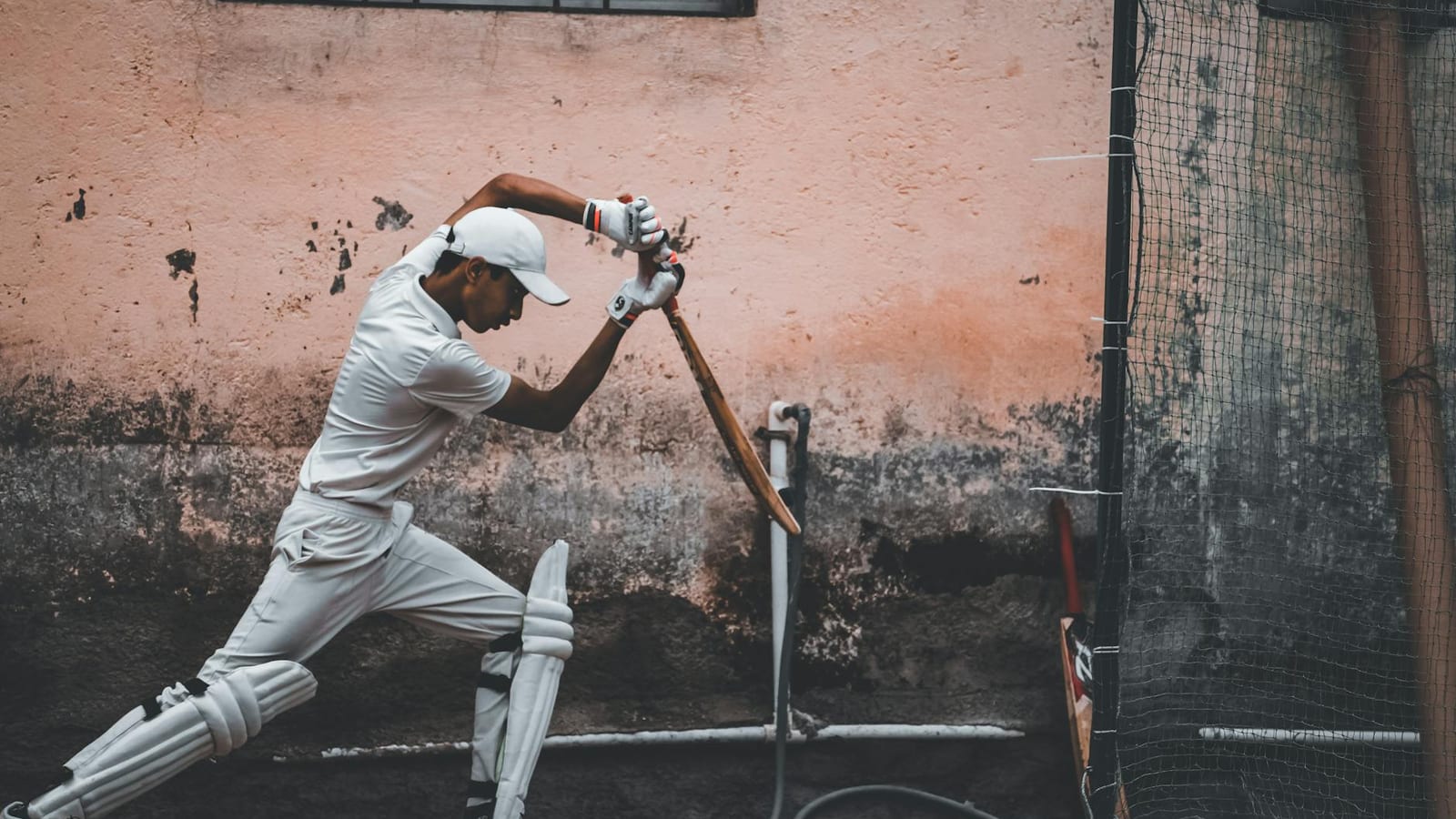
A 13-year-old walking into an IPL dressing room changes the mood of Indian cricket.
Suddenly, the old ladder looks shorter. Ranji Trophy, India A, years of grind, then maybe the national cap. The new route feels brighter, faster, and more tempting.
That is exactly why Cheteshwar Pujara has offered young cricketers a simple warning. Play the IPL, enjoy the stage, but do not let it shrink the dream.
Pujara’s message to young stars
Pujara said young players must keep aiming for Team India, not just IPL contracts. His point was not anti-IPL. Far from it.
He called the IPL important because it gives youngsters exposure, pressure, money, and attention. But he also said India’s trophies must remain the bigger goal.
That matters because India’s next generation is arriving very early. Players like Vaibhav Suryavanshi and Ayush Mhatre are not waiting for long apprenticeships.
They are getting seen by millions before many teenagers finish school. That can lift a career. It can also distort ambition.
Pujara’s advice is rooted in old cricket wisdom. The IPL can open the door, but India selection still asks harder questions.
Can you handle different formats? Can you bat through tough spells? Can you bowl when the ball stops swinging? Can you stay useful after one bad season?
These are not glamorous questions. But selectors ask them every year.
IPL is not the enemy
Pujara also pushed back against a familiar complaint. Many fans say T20 cricket has weakened Test cricket. He does not buy that argument.
His counter is practical. India found Jasprit Bumrah, Mohammed Siraj, and Mohammed Shami through the IPL spotlight. All 3 became major Test players.
That is a strong point. The IPL does not only reward six-hitters and mystery spinners. It also exposes temperament.
A young bowler has to defend 12 runs against world-class hitters. A batter has to face 145 kph pace in front of packed stands. That pressure teaches quickly.
The problem begins when players train only for the shortest format. Then cricket becomes a highlights reel, not a full career.
Pujara’s larger message is about range. A modern Indian player must play T20 cricket well. But he must also dream beyond franchise cricket.
India have global tournaments ahead in both ODI and T20 formats. Pujara said young players should want to help India win those trophies.
For fans, this is not a small thing. They enjoy IPL rivalries for 2 months. But when India play a World Cup, the emotional stakes become very different.
A six for a franchise earns applause. A six in an India knockout can enter family memory.
Selection must follow performance
Pujara also spoke about the senior-junior balance in Indian cricket. His line was clear. Pick players on performance, not age.
If young players perform and seniors struggle for long, selectors must consider change. That is how competitive teams stay fresh.
But Pujara warned against dropping experienced players only because they are older. If seniors keep performing, age alone should not push them out.
This is a debate India know well. Every generation has faced it. Fans demand new faces after one bad series. They also miss experience when pressure rises.
The best teams usually avoid both extremes. They do not worship reputations. They also do not treat youth as a magic cure.
That is why Pujara’s view feels balanced. He has built a career on patience, judgement, and ugly runs in difficult places.
He knows a dressing room needs both hunger and memory. Young players bring energy. Seniors bring scars, calm, and reading of match situations.
For India, that balance will matter more now. The player pool has exploded. The IPL keeps throwing up names every season.
But international cricket still filters quickly. Some players shine under lights in April. Fewer survive a moving ball in England or a long spell in Australia.
Commentary brought another challenge
Pujara also opened up about his move into commentary. That part was revealing because he has never been cricket’s loudest personality.
On the field, he built his image through silence and concentration. In the commentary box, he has to explain what he sees.
He said talking about cricket itself does not feel difficult. The harder part is studying players closely before speaking about them.
That includes young players, overseas names, experienced Indians, and changing form. He said he looks at a player’s method, past record, and current progress.
That is useful insight into modern commentary too. Viewers no longer need only ball-by-ball description. They can see the score and replays.
What they want is explanation. Why did a bowler change the field? Why does a batter struggle against a certain length? Why did a captain hold back one over?
Pujara can offer that because he has lived those moments. But even he admitted preparation matters.
In a way, his commentary work mirrors his advice to youngsters. Talent opens the first door. Study keeps you in the room.
Mumbai’s slump gets perspective
Pujara also addressed Mumbai Indians and their uneven run. He accepted that their performances had dipped.
But he did not treat it as a crisis. He pointed to their strong win over Lucknow as a sign of recovery.
His suggestion was simple. The players must sit together, plan clearly, and rebuild rhythm as a group.
That sounds basic, but franchise cricket moves fast. One poor week can become panic. One good night can change the table.
Mumbai know this cycle better than most teams. Their history has often included slow starts, dressing room resets, and late surges.
Pujara said form can desert players for a while. But once quality players find touch, opponents struggle to stop them.
For Mumbai fans, that is the hope. For rivals, that is the warning.
Still, the larger lesson goes beyond one team. IPL seasons reward skill, but they also test patience. The same player can look finished on Monday and dangerous by Friday.
That is why Pujara’s comments land with weight. He is not selling drama. He is asking young cricketers, selectors, franchises, and fans to keep perspective.
The IPL has changed Indian cricket forever. It has made dreams bigger, faster, and richer. But the India cap still carries a different pull.
For the teenager in a franchise jersey today, the real question is not whether the IPL is enough. The real question is whether he can use it as a starting point, not a finish line.