Pujara Urges Young IPL Stars To Keep India Dream Alive
Cheteshwar Pujara says young cricketers should use the IPL as a platform but keep improving with the bigger goal of winning for Team India.
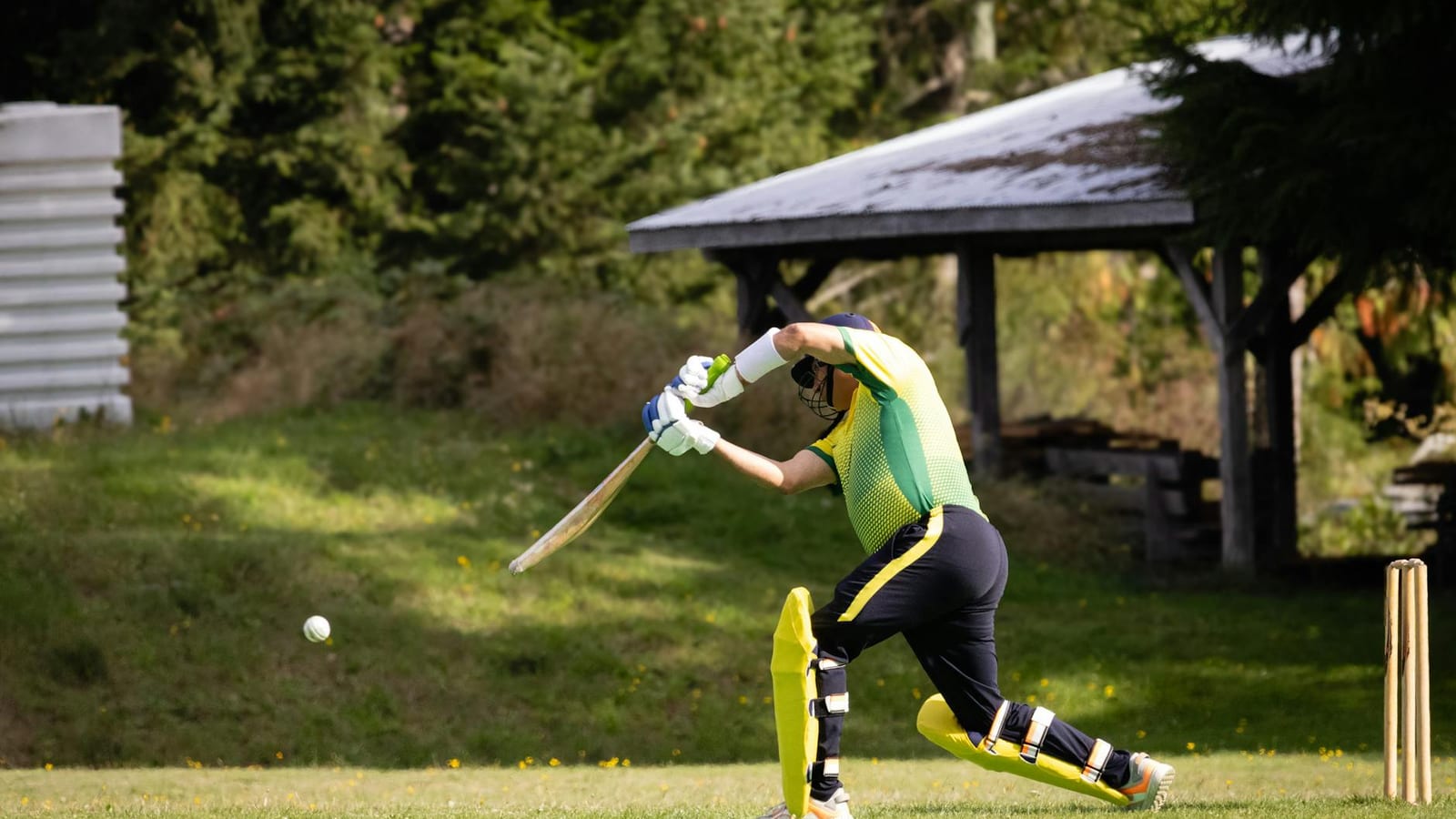
A teenager can hit one clean six in the IPL and become famous by dinner. That is the thrill, and the trap.
Cheteshwar Pujara knows both sides of Indian cricket’s new bargain. He built his name the old way, ball by ball, session by session. Now he is watching a generation arrive through floodlights, auctions, clips, and instant noise.
His message to young players is simple. Play the IPL, enjoy the platform, but do not shrink the dream. The real ambition, he said, must still be to win trophies for India.
Pujara’s warning for young stars
Pujara spoke about the new wave of Indian talent, including Vaibhav Suryavanshi and Ayush Mhatre. Both represent a cricketing age where players become public property very early.
That brings opportunity. A good IPL season can change a player’s life. It can bring money, fame, endorsements, and the attention of selectors.
But Pujara’s point cuts deeper. If a young player trains only for franchise cricket, he risks becoming too narrow. The IPL matters, but India matters more.
He said young cricketers must keep updating their game. That means learning new shots, reading conditions, improving fitness, and building the patience needed outside T20 cricket.
The calendar also demands more from them. India has ODI World Cups, T20 World Cups, bilateral series, and long Test tours. A player who wants a full career cannot prepare for only 20 overs.
IPL is not the enemy
Pujara also pushed back against a familiar complaint. Many old-school fans blame the IPL for hurting Test cricket. Pujara does not buy that argument.
His reasoning is practical. The IPL has helped India find serious international cricketers. Jasprit Bumrah, Mohammed Siraj, and Mohammed Shami all gained from the league’s stage.
That is an important reminder. T20 cricket does not automatically weaken a player. It can sharpen skills, harden temperament, and expose youngsters to pressure.
A bowler learns quickly when 40,000 people are shouting and a batter wants 18 runs in an over. That education has value, even in Test cricket.
Pujara’s bigger point is balance. India cannot ignore T20 cricket if it wants to compete with the world. But it cannot let T20 become the whole syllabus.
For a young batter, that means more than clearing the ropes. It means knowing when to leave the ball, when to defend, and when to bat time.
For a bowler, it means more than slower balls. It means hitting a length for long spells and working out batters across formats.
Selection should follow performance
Pujara also addressed the senior-junior debate, which never really leaves Indian cricket. Every bad series brings calls for change. Every young success story starts a fresh selection argument.
His view was measured. If a new player performs well and a senior player keeps failing, selectors must consider options.
But he warned against removing seniors only because of age. If experienced players are still producing runs or wickets, age alone should not push them out.
That is a fair point in a country that swings between worship and impatience. India often wants fresh blood after one defeat. It also clings too long after some careers clearly fade.
The hard job sits in the selection room. Selectors must read form, fitness, role, conditions, and future planning. They cannot work only from social media mood.
A strong team needs both. Young players bring energy and fearlessness. Senior players bring game awareness, especially when pressure gets ugly.
That mix matters most in tournaments. Knockout cricket rarely rewards panic. It rewards teams that know who they are under stress.
Commentary brings a new challenge
Pujara also spoke about his move into commentary. For a player known as quiet and composed on the field, the microphone brings a different test.
He said talking cricket itself does not feel difficult. Off the field, players also chat about the game with friends and teammates.
The harder part is preparation. A commentator must speak about young players, senior players, Indians, overseas recruits, form, technique, and recent trends.
Pujara said he now studies players closely before going on air. He looks at how they play, what they have done earlier, and how their game is changing.
That detail matters for viewers. Good commentary should not only describe the ball. It should explain the contest inside the contest.
Why is a batter struggling against pace? Why has a bowler changed angle? Why does a captain hold one over back?
Pujara’s playing career gives him that eye. But even he admits analysis needs work. That honesty is useful in a space often filled with loud certainty.
Mumbai’s slump is recoverable
Pujara also weighed in on Mumbai Indians, whose form has dipped. He accepted that the team has not played well enough.
But he did not treat it as a crisis. He pointed to their strong win over Lucknow as a sign that a comeback remains possible.
His solution was not dramatic. He said the players need to sit together, plan better, and find rhythm as a group.
That sounds simple, but it is often where T20 seasons turn. A franchise can have star names and still look scattered. Roles matter more than reputation.
Some players go through poor patches. In a short league, those patches look worse because every match carries weight.
Pujara believes Mumbai become dangerous once their players return to form. That has been true of the franchise before. When their core clicks, they can overwhelm teams quickly.
For fans, though, patience is harder. The IPL moves fast. One bad week can feel like a failed season. One win can bring back the old swagger.
That is why Pujara’s larger message lands beyond one team or one player. Indian cricket is rich with platforms now, but platforms are not destinations.
The young player entering this system must handle fame, format shifts, and public judgment very early. The smart ones will enjoy the IPL without letting it define them. Because in the end, the memory that lasts longest is still wearing India colours when a trophy is on the line.