Finn Allen Hundred Sinks Delhi as KKR Cruise to 8-Wicket Win
Finn Allen's devastating century helped Kolkata Knight Riders beat Delhi Capitals by 8 wickets in IPL 2026, effectively ending Delhi's playoff hopes.
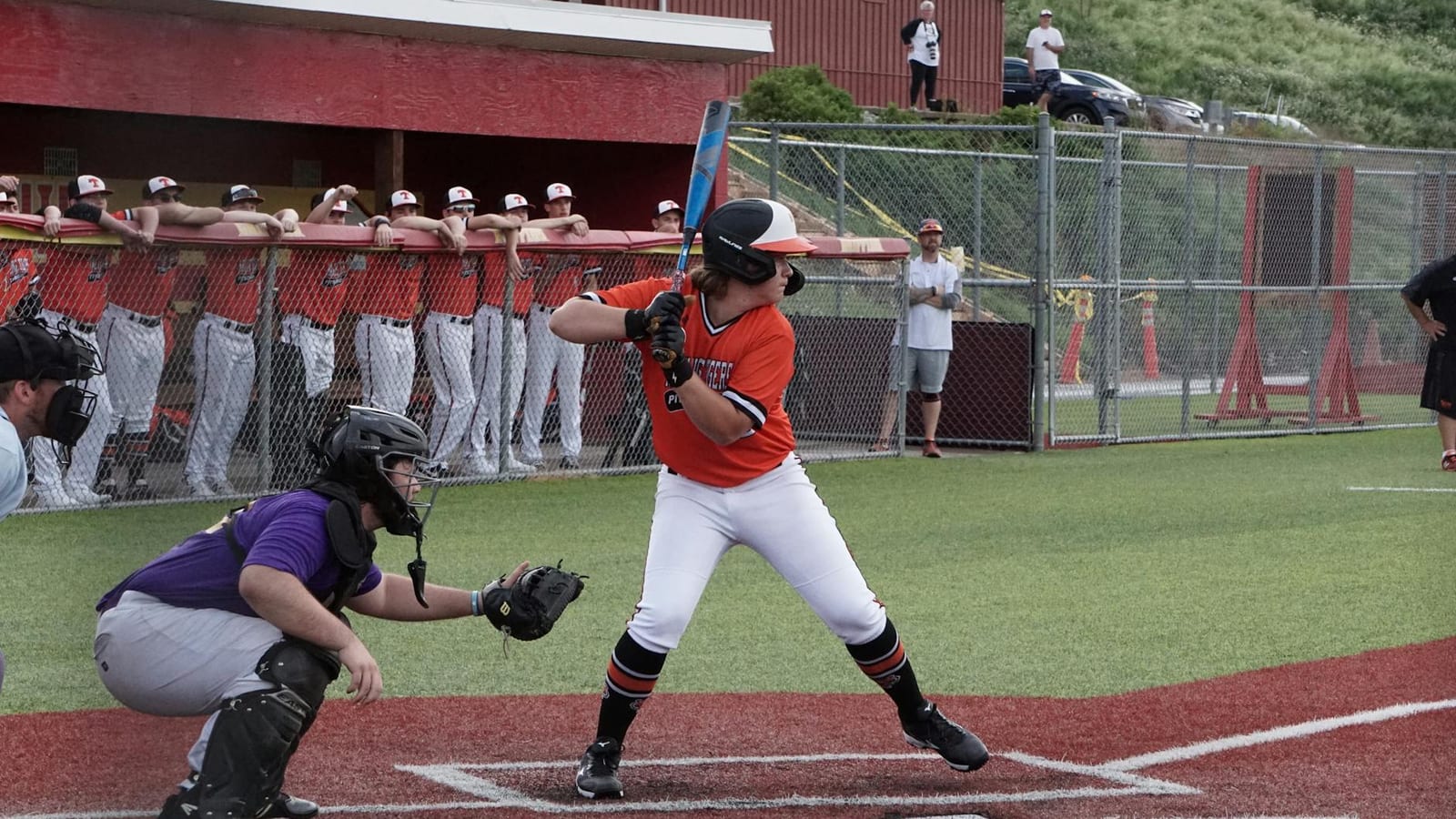
Finn Allen looked at Delhi Capitals’ bowling attack on Wednesday and treated it roughly the way a hungry man treats a buffet. By the time he was done, Kolkata Knight Riders had chased down their target with 8 wickets in hand, and Delhi’s IPL 2026 season had effectively ended on a ground 1,500 kilometres away from home.
Allen’s hundred was the kind of performance that makes franchise cricket coaches earn their money. He was clean, brutal and unsparing. KKR barely broke a sweat. The final scoreline had the look of a training session that accidentally ended up on a live broadcast.
Delhi came into this match needing a result. They leave it looking at a pile of Duckworth-Lewis arithmetic that will keep their statisticians up at night. The playoff route exists, technically. But Delhi have the feel of a team whose season cracked somewhere in the middle, and Allen simply confirmed what most people already suspected.
Across the schedule that night, Lucknow Super Giants found things slightly less comfortable. They posted 209 against Royal Challengers Bengaluru, a total that looked competitive from the first ball of the innings. Rain arrived, as Indian weather in May reliably does, and the DLS calculation pushed RCB’s revised target up to 213.
RCB made 203. Nine runs short.
It was one of those matches where neither team will feel the rain helped them. LSG defended a target they had no control over. RCB chased a number that kept shifting. In the end, 9 runs is 9 runs, and LSG sit with the points.
Lucknow are not the tournament’s most glamorous outfit. They do not generate the kind of noise that follows a Mumbai Indians or a Chennai Super Kings. But they are accumulating wins with a quiet steadiness that tends to matter in the back half of IPL seasons.
While the cricket played out on the field, the Board of Control for Cricket in India was making decisions that will shape how its players exist off it.
The BCCI has placed a ban on Arshdeep Singh producing personal vlogs. The decision follows directly from the Yuzvendra Chahal vaping controversy, in which Chahal was observed using an e-cigarette on a flight. The board took that incident seriously.
The Arshdeep restriction is the downstream consequence: the BCCI signalling to its entire playing group that the era of players managing their own digital identities without board oversight is over, or at least sharply curtailed.
This matters beyond the two names involved. Arshdeep Singh is among India’s most important active white-ball cricketers, a left-arm pacer whose stock has risen consistently over the past three seasons. He has also built a genuine following outside the sport, the kind that comes from being young, personable and good at a format that dominates prime-time television. The board is choosing to restrict that content stream.
The economics of personal branding in professional sport are now significant enough that boards everywhere are navigating the same tension. Athletes are media companies. Their phones and social accounts generate revenue and influence that exists entirely outside the franchise or national board structure. The BCCI, historically cautious about how it presents its players publicly, is making clear which side of that tension it sits on.
Whether this produces the intended effect, or simply drives the same content into different formats with different rules, is a question that tends to answer itself over a few seasons.
Then came news that stopped the cricket conversation entirely.
Amanpreet Singh Gill, who played Under-19 cricket alongside Virat Kohli and Ravindra Jadeja, died on Wednesday morning. He was 36 years old. The Punjab Cricket Association confirmed his passing on social media, and the cricket community absorbed what that sentence actually meant.
Thirty-six years old.
Gill was part of that generation of junior Indian cricketers who shared dressing rooms with two of the greatest players the country has produced. In the ruthlessly competitive world of Indian domestic cricket, that Under-19 cohort was genuinely talented, the kind of group coaches remember for decades. Kohli went on to captain India, shatter records, and become one of the best batters the game has seen. Jadeja became an all-format stalwart who redefined what all-round cricket looks like.
Gill’s path went differently. Most paths do. For every Kohli who emerges from Under-19 cricket and takes the sport apart at the highest level, there are dozens of players with real ability who find the next rung too steep, the competition too deep, the margins too small. Indian domestic cricket is not short of talent. It is painfully short of places.
That reality is worth sitting with for a moment, because it is easy to follow elite cricket as if only elite cricketers exist. The structure that produces a Kohli or a Jadeja is built on thousands of players like Gill - people who were good enough to be spotted young, good enough to make state teams and play alongside future greats, and not quite positioned by luck or circumstance or selection to make the final jump.
Gill was 36, which by any ordinary human measure is far, far too young. The Punjab Cricket Association’s post was brief. The condolences from across Indian cricket will come in a familiar format: tributes, memories, short paragraphs about what kind of teammate someone was in the years before anyone outside the circuit knew their name.
Kohli and Jadeja will have heard this news and felt it in a specific way that only shared dressing rooms produce. Youth cricket friendships are particular: forged in the pressure of selection, travel, early success and early disappointment.
This is the week Indian cricket handed you. Finn Allen dismantling a playoff contender in Kolkata. Lucknow quietly taking points they needed. The BCCI drawing lines around player content. And somewhere in Punjab, a family mourning a cricketer who shared Under-19 bus rides with two of the most famous sportsmen in the country, and never got to be famous himself.
The tournament continues. The controversies get debated. The scoreboards update. That is cricket’s nature. But Amanpreet Singh Gill was 36 years old, and that number stays with you.