Finn Allen Century Powers KKR Past Delhi, Ends IPL Playoff Hopes
Finn Allen blazed a century as Kolkata Knight Riders beat Delhi Capitals by 8 wickets in IPL 2026, all but ending Delhi's slim playoff chances.
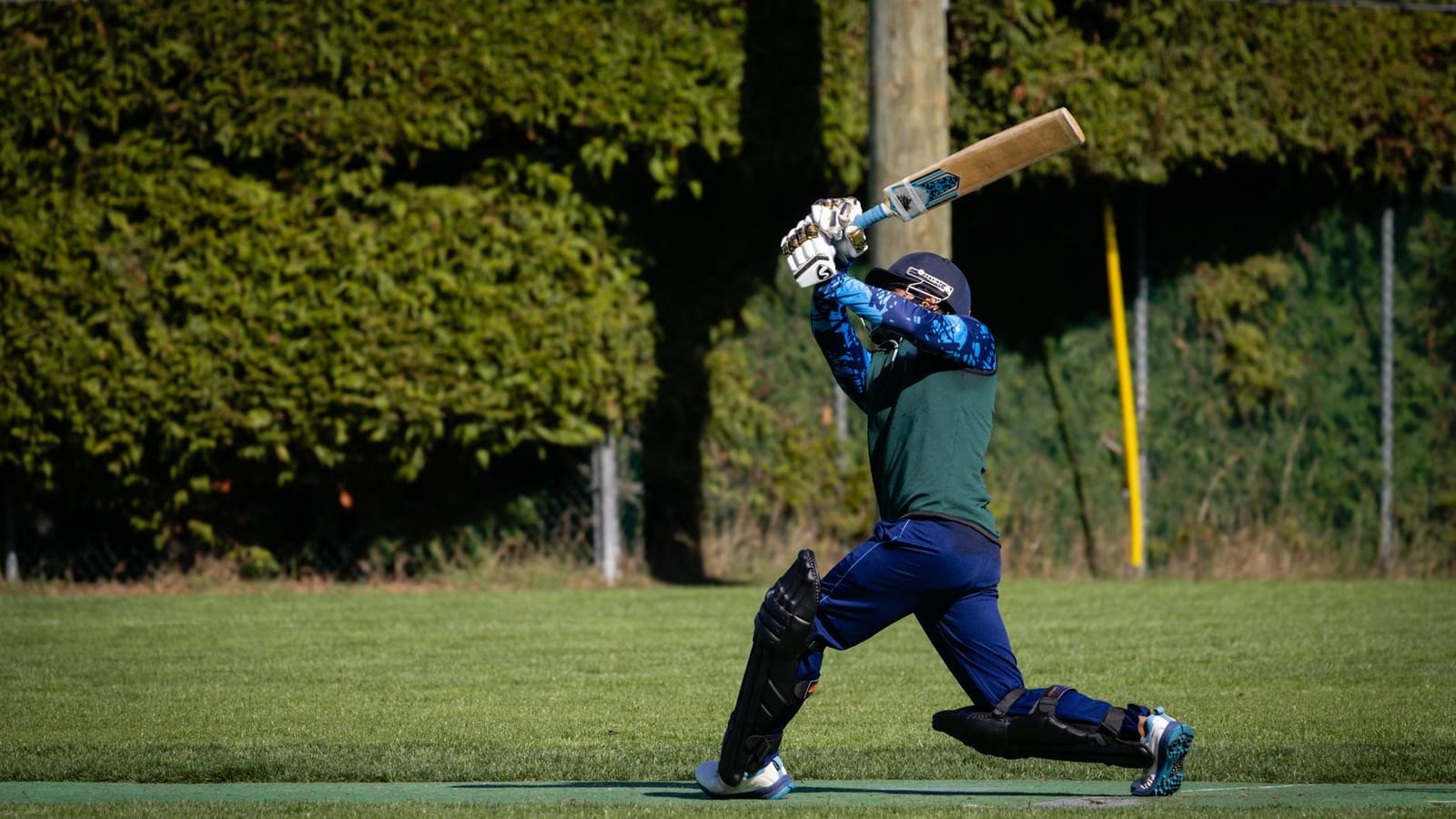
Finn Allen stood at the crease and looked like he had somewhere to be. The New Zealand opener dismantled the Delhi Capitals bowling attack with a blazing century that left the home side stunned, as Kolkata Knight Riders cruised to an 8-wicket victory that has all but ended Delhi’s hopes of reaching the IPL 2026 playoffs.
Allen’s knock set the tone for an evening Delhi’s fans would rather forget. The Capitals, already under pressure heading into this match, could not produce a total worth defending. KKR chased it down with wickets to spare, barely testing themselves in the process.
For Delhi, the arithmetic now looks brutal. A team that needed everything to go their way in the back half of the tournament has watched that door slam shut. Their playoff hopes, by their own calculations, are now almost gone. Cricket does occasionally produce the kind of mathematical miracle that would be required here, but Delhi would need other results to fall perfectly while also winning everything remaining. That combination is hard to see.
Allen’s performance is worth sitting with for a moment. He is the kind of player who transforms an innings not by building patiently but by refusing to respect any bowler’s rhythm. When he is timing it well, there is a looseness to his strokeplay that looks almost casual until you realize the boundary count has already climbed past ten. A century from an opener against a defending side that badly needed the win is not just runs. It is a statement about where KKR’s power currently sits in this tournament.
IPL 2026 did not stop there. In another key contest, Lucknow Super Giants beat Royal Challengers Bengaluru by 9 runs in a match that rain tried its best to complicate.
LSG posted 209 on the board, a total that looked strong but not unassailable on a surface where RCB’s batting order has shown it can fire. Then rain arrived, as it has a habit of doing at this time of year, and the Duckworth-Lewis-Stern method, the calculation system cricket uses to reset targets when overs are lost, pushed the revised ask up to 213. RCB replied with 203, falling 9 runs short despite a chase that stayed alive until the closing overs.
RCB supporters will feel the frustration. Getting to 203 when chasing 213 tells you the batting was largely present. But 203 is not 213, and at the end of a rain-interrupted night, those 9 runs are all that matter.
For LSG, a win that keeps them moving in the right direction at exactly the right stage of the season. For RCB, another near-miss that raises the same uncomfortable questions about temperament in the final overs.
Off the field, the Board of Control for Cricket in India has made a decision that will reshape what players can and cannot share publicly during official assignments.
The BCCI has placed a ban on Arshdeep Singh creating vlogs while travelling with India. The move follows directly from the controversy involving Yuzvendra Chahal, who was reportedly seen using an e-cigarette on a flight during official team travel. The vaping incident pulled scrutiny onto player conduct and the way individual social media activity can create a story that ends up reflecting on the entire team’s culture.
Vlogs, for those unfamiliar, are essentially video diaries that players produce and share across social platforms. Done well, they offer fans a glimpse into travel routines, dressing room banter, the texture of a touring cricketer’s life. For the players who invest time into them, they build substantial personal followings and generate significant off-field income. Arshdeep Singh had grown into this space, connecting particularly with younger fans who follow both the cricket and the creator.
The board’s direction is clear: personal broadcasting during official assignments creates risks they are no longer willing to absorb. The Chahal incident, whatever its specific details, made visible exactly the kind of unguarded moment that can quickly escalate from one player’s personal choice into a headline about what the Indian team tolerates.
Whether the restriction extends to other players or forms part of a broader review of social media guidelines for contracted cricketers was not confirmed. But anyone watching how Indian cricket’s administrators have been tightening player conduct protocols over the past year will not be surprised by the move.
Away from the results and the board-level decisions, Indian cricket lost a familiar name this week.
Amanpreet Singh Gill, who shared a dressing room with Virat Kohli and Ravindra Jadeja in the India Under-19 setup, died on Wednesday morning at the age of 36. The Punjab Cricket Association confirmed the news.
The Under-19 side from that era produced players who went on to define a golden generation of Indian cricket. Kohli and Jadeja became names the entire country knows. Others from that same group followed different paths, building careers in domestic cricket, contributing to the state game and to the grassroots structure that feeds talent upward. Gill belonged to that fabric of Indian cricket, the part that functions mostly out of the spotlight.
Thirty-six is very young. When a cricketer from a talented generation is lost at an age where most people are just reaching the most productive years of their professional life, it carries a specific weight. The Punjab Cricket Association’s tribute was brief and warm. The wider cricketing community will feel the loss.
The tournament moves forward, as it always does. Delhi’s position is nearly past saving, but the teams still hunting their place in the top four will not slow down. For KKR and LSG, these wins build the kind of momentum that matters when knockout cricket begins to focus the mind.
For every player still competing, the message of this week is familiar: what you do in the next few games either opens a door or closes one permanently. The IPL does not pause to let anyone consider the situation.