BCCI Tightens IPL Hotel Security Amid Corruption Concerns
BCCI has warned IPL franchises to tighten hotel access and monitor visitors after anti-corruption teams flagged security breaches during the season.
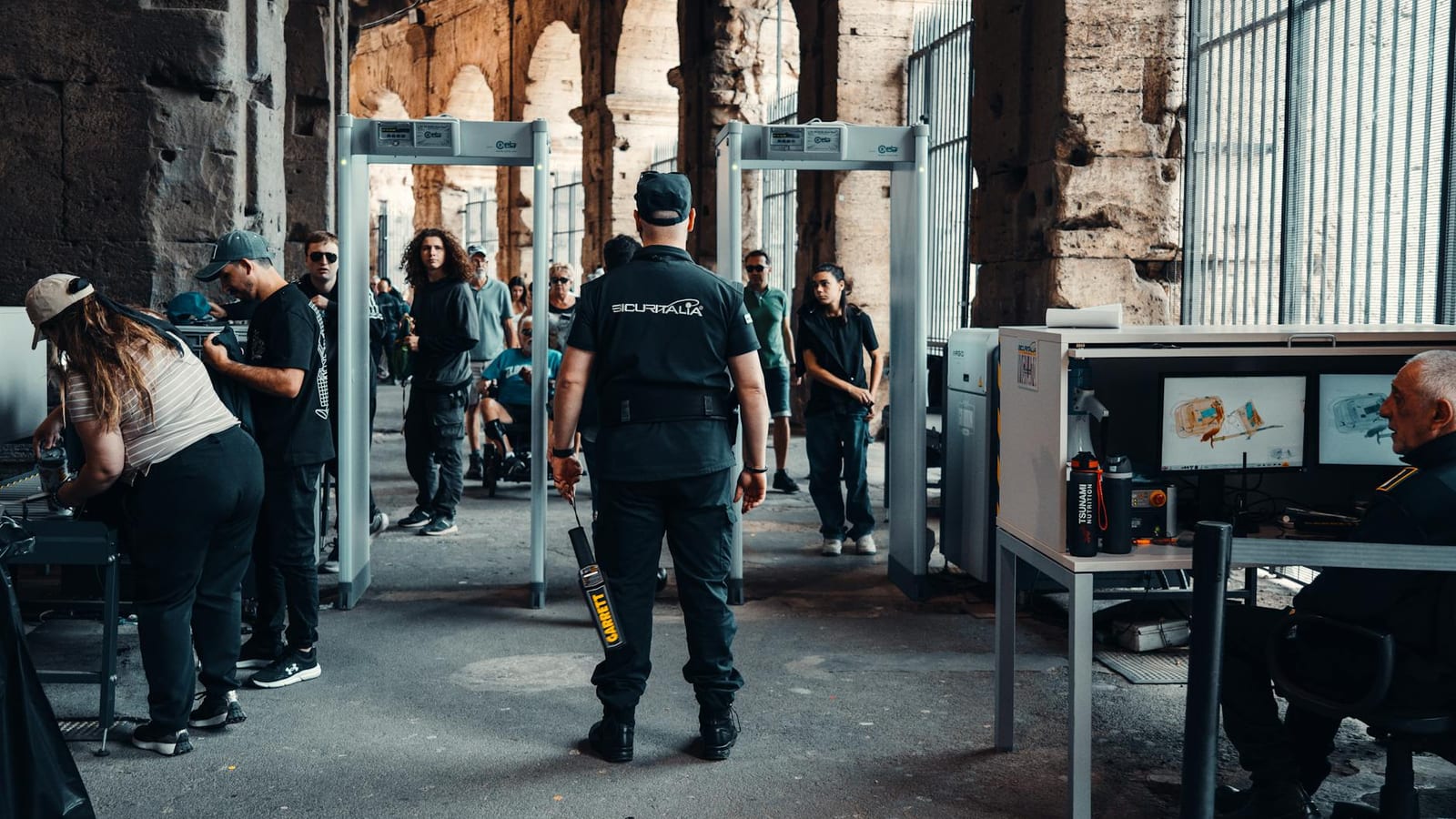
Halfway through IPL 2026, the cricket has not been the only thing keeping teams busy.
The BCCI has sent all 10 franchises an 8-page warning note. The concern is simple, and very old in sport. Players, staff and even team owners can become easy targets when fame, money and loose access meet inside hotel corridors.
The board has now told teams to tighten access, watch visitor movement, and treat unknown approaches as a real risk. This is not about killing the IPL’s glamour. It is about protecting the dressing room from leaks, pressure and ugly legal trouble.
Why BCCI has stepped in
The board has moved after its anti-corruption team flagged concerns during the season. The worry is that unknown people could try to get close to players or support staff, then extract team or match-related information.
In a tournament like the IPL, even small information has value. A niggle, a team combination, a batting-order tweak, or a bowling plan can travel fast. Once that leaves the dressing room, it becomes currency.
The BCCI has told franchises that it noticed several breaches of security and tournament rules this season. These involved players, officials and, in some cases, team owners.
That last bit matters. The IPL is not a loose exhibition league. It is a high-value sporting business where rules protect both fairness and reputation.
BCCI secretary Devajit Saikia has told teams to stay alert. The instructions apply to players, support staff, owners and officials. Nobody gets a free pass because of their designation.
Hotels are now restricted zones
The most direct change is inside team hotels. No outsider can enter a player’s or support staff member’s room without informing the team manager and getting written permission.
This applies even if the visitor claims to know the player. That may sound harsh, but it closes a loophole. In a busy hotel, “I know him” can become the weakest security check.
Guests can meet players only in the hotel lobby or reception lounge. Private rooms remain off limits unless the team manager clears it in writing.
For players, this changes the rhythm of tournament life. The IPL already keeps them inside a tight bubble of training, travel, media duties and matches. Now even personal visits need cleaner paperwork.
But the board’s point is clear. A player’s hotel room cannot become an informal meeting space. Too many things can go wrong there, from unwanted approaches to later allegations.
The BCCI has also warned teams about the risk of honey-trap attempts. In plain words, this means someone may use personal or romantic contact to gain access, influence, or information.
The board has linked this risk to possible legal trouble as well. It has reminded franchises that incidents involving sexual harassment laws can create serious consequences.
That warning tells us the board is thinking beyond betting and leaks. It wants franchises to protect players from situations that can damage careers, reputations and the league itself.
Dressing rooms face tighter control
The dressing room is the heart of any team. It is where plans get made, tempers settle, injuries get managed, and selection calls take shape.
The BCCI now wants that space guarded more strictly. Team owners and officials cannot meet, talk to, or instruct players and support staff during a match. This applies in the dugout and dressing room.
That rule may raise eyebrows because owners often look very visible in the IPL. Cameras catch them celebrating, reacting and sometimes sitting close to the action.
But cricket teams need clean lines of authority during matches. The captain, coach and support staff must run the cricket. Owners can run the business.
This matters more in a league with 10 teams, tight points tables and huge money riding on every result. A casual word at the wrong moment can look like interference, even if no one means harm.
The board has also told players, staff, owners and officials to wear accreditation cards at hotels and stadiums at all times. That sounds basic, but basic controls often prevent bigger messes.
In Indian cricket, access has always been a sensitive subject. Stars attract fans, fixers, influencers, power brokers and well-wishers. The hard part is knowing who belongs near the team and who does not.
The IPL’s success has made that harder. It turns young players into famous faces within weeks. Some are still learning how to handle money, attention and strangers who suddenly want their time.
Surprise checks are coming
The BCCI has created a special task force with its own officials and the IPL operations team. This group can inspect team hotels without prior warning.
If inspectors find an unauthorised person, the board can act against the player, support staff member, or owner linked to the breach.
That is the strongest part of the note. Guidelines mean little if nobody checks them. Surprise inspections tell franchises that the board wants visible compliance, not polite agreement.
For teams, this means managers now carry more pressure. They must track visitors, maintain written permissions, and ensure everyone understands the rules.
For players, it means fewer grey areas. If someone wants to meet them, the meeting must happen in the right place, through the right channel.
The board’s message also lands at a tricky time. The season is already halfway through. Teams are fighting for playoff places, injuries are piling up, and dressing rooms are tense.
In that setting, distractions can hurt. A late-night controversy, a leaked team plan, or a security breach can derail more than one match. It can change a season.
The bigger IPL lesson
The IPL sells noise, colour and access. Fans love the closeness. They see players at airports, hotels, sponsor events and post-match gatherings. That openness helps build the league’s charm.
But professional sport also needs distance. Players cannot perform if every door stays open. Teams cannot protect strategy if outsiders drift into private spaces.
This is the balance the BCCI is trying to restore. The board is not saying every stranger is a threat. It is saying the league has grown too big to depend on trust alone.
For ordinary fans, this may look like another strict rulebook from cricket’s administrators. But the real point is simpler. The league must protect the contest.
A young player chasing a breakthrough season should worry about line, length and timing, not hidden agendas. A coach should worry about match-ups, not hotel access logs. A franchise should know that one careless visitor cannot bring a dressing room under suspicion.
The IPL will remain loud, rich and dramatic. That is its nature. But behind the lights, the league now seems to accept a hard truth. When cricket becomes this valuable, security is not a side job. It is part of the game itself.