BCCI Tightens IPL Hotel Access Over Security Risks
BCCI has told IPL teams to restrict hotel room and dressing room access, requiring written clearance for guests amid security breach concerns.
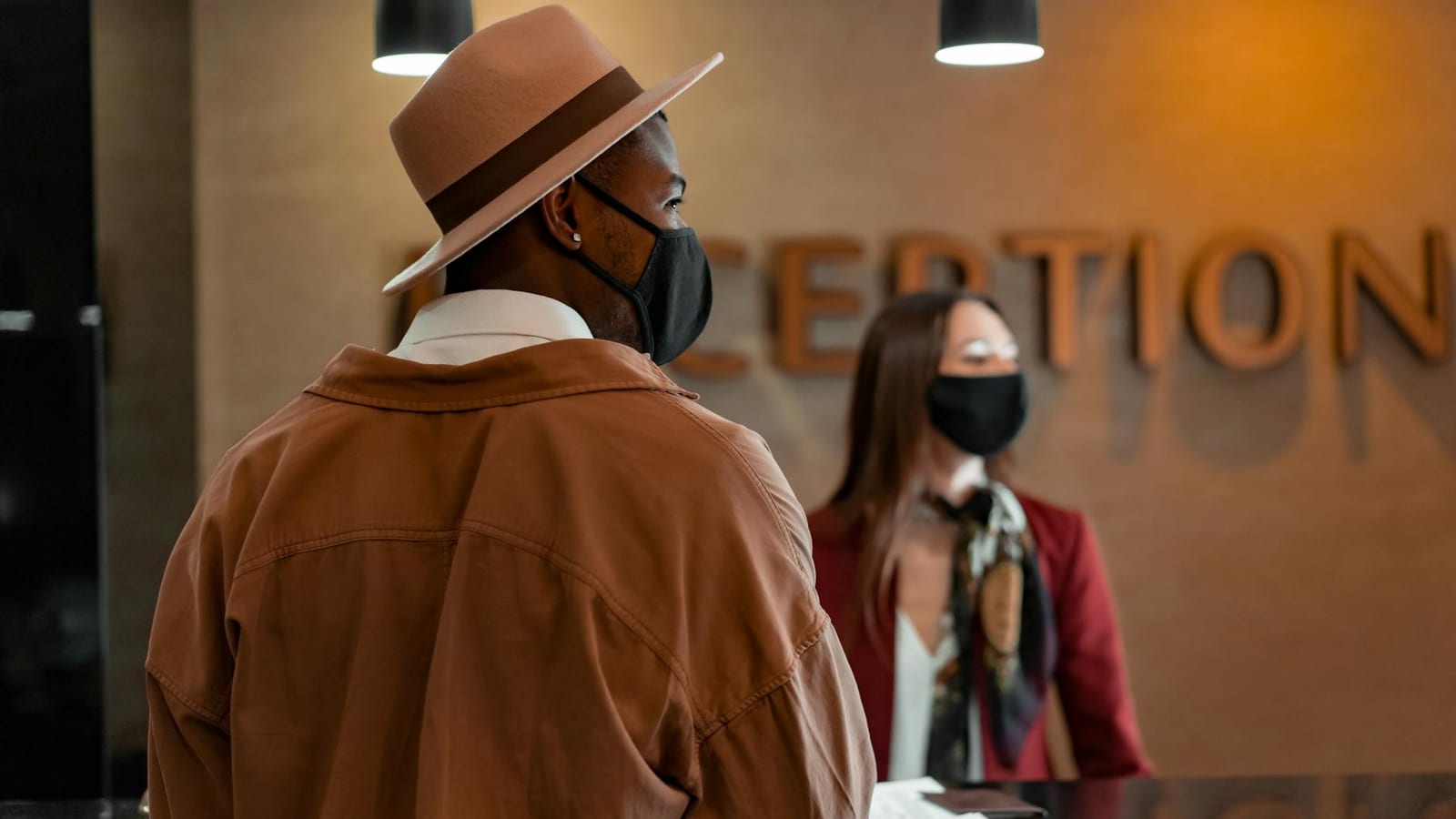
A player’s hotel room has suddenly become as sensitive as a dressing room chat.
That is the mood around IPL 2026 after the BCCI warned all 10 franchises about security breaches, unauthorised visitors, and the risk of honey-trap attempts during the tournament.
The league may still look like sixes, noise, packed stadiums, and late-night finishes. Behind the scenes, though, Indian cricket’s richest show is tightening its doors.
BCCI puts teams on alert
The board has sent an 8-page guideline note to all IPL franchises.
The note applies to players, support staff, team officials, and even franchise owners. That last bit matters. In the IPL, owners often sit close to the action, speak to players, and move around high-security areas.
This time, the BCCI wants sharper lines.
The board has told teams that unknown persons cannot enter team hotels, private rooms, or dressing rooms without permission. Even people known to a player need written clearance from the team manager.
That means a friend, relative, or guest cannot casually walk into a player’s hotel room. Meetings must happen in public spaces like the lobby or reception lounge.
For fans, this may sound cold. For teams, it is basic damage control.
The IPL is not just a cricket tournament. It is a travelling business worth thousands of crores, with players, coaches, agents, sponsors, data staff, broadcasters, and owners moving city to city.
One loose conversation can create trouble. One wrong visitor can become a legal, reputational, or anti-corruption problem.
Honey-trap fears worry officials
The sharpest warning in the note concerns honey-trap risks.
In plain English, a honey trap means someone builds a personal or romantic link to extract information, create pressure, or set up a player. In sport, that information may include team strategy, injuries, playing XI hints, or match conditions.
The BCCI’s concern is not hard to understand.
IPL players live in a bubble of attention. Many are young. Some are suddenly famous. Their social media inboxes explode. Their hotel lobbies turn into waiting rooms for hangers-on.
That is exactly where trouble can enter.
The board has warned franchises that such risks often appear during high-profile tournaments. It has also flagged the chance of serious legal issues, including complaints under sexual harassment laws.
This is where the matter moves beyond gossip.
A player caught in a private meeting with an unknown person may not only face questions from the team. He may face legal scrutiny, media pressure, and career damage.
The board appears to be telling franchises one simple thing. Do not wait for a scandal, then act wise afterwards.
Hotels and dressing rooms tighten
The new instructions also make accreditation cards compulsory at hotels and stadiums.
Players, support staff, owners, and officials must wear their official access cards at all times. That may look excessive in a familiar team hotel. But in a crowded IPL season, familiarity becomes the weak point.
Security staff cannot recognise every cousin, assistant, sponsor executive, stylist, or family friend. A visible card makes the first check simple.
The board has also drawn a firm boundary around the dressing room and dugout.
Owners and officials cannot meet players or support staff during matches. They cannot speak to them or pass instructions in the dugout or dressing room.
This rule protects more than discipline. It protects the cricket.
In a tense chase, even a small message from outside can create confusion. In a league watched by millions, the team area must remain a cricket space, not a VIP corridor.
The dressing room has always carried its own code. Players discuss match-ups, form, injuries, selection calls, and pressure points there. In the IPL, those details can move markets, fantasy teams, betting circles, and public narratives.
So the BCCI is treating access as information control.
Surprise checks raise the stakes
The board has also created a special task force with BCCI and IPL operations officials.
This team can inspect hotels without prior warning. If it finds unauthorised people in restricted areas, the board has warned of strict action.
That action can hit players, support staff, or owners, depending on who broke the rule.
This is a big signal. In past seasons, teams often handled access problems internally. Now, the central board wants direct oversight.
BCCI secretary Devajit Saikia has told teams to stay alert and follow the guidelines closely.
The timing is also telling.
The season is already midway through. The board has not waited for the final stretch to quietly remind teams. It has sent a detailed warning while the league is still alive, hectic, and emotionally charged.
That suggests officials believe the risk is active, not theoretical.
For players, the change may feel intrusive. IPL life already brings pressure, travel, media work, sponsor shoots, and late finishes. Now, even personal visits need paperwork.
But elite sport has reached that stage.
A player’s phone, hotel floor, and private circle are all part of the security perimeter. That is especially true in the IPL, where one rumour can move faster than a yorker.
Why this matters beyond cricket
The average fan may ask a fair question. Why should a hotel visitor matter when the cricket happens on the field?
Because modern cricket does not begin at toss time.
Team combinations leak before games. Injury updates shape fantasy picks. Pitch talk travels quickly. Even a casual dinner conversation can reveal more than a player intends.
The IPL sits at the centre of money, fame, betting chatter, online abuse, and celebrity culture. That mix can attract people who want access for the wrong reasons.
The BCCI’s warning also shows how difficult franchise cricket has become to police.
Teams are private businesses. Owners are public figures. Players are brands. Hotels are not military zones. Yet the tournament must run like a controlled operation.
That balance is tricky.
Families and close friends remain part of a player’s support system. No board can turn cricketers into machines for 2 months. But the IPL now wants teams to know exactly who is meeting whom, where, and with whose approval.
For young Indian players, this may be the hidden education of the league.
They arrive dreaming of runs, wickets, contracts, and national selection. They quickly learn that fame also brings traps, pressure, and people who want something from them.
For franchise owners, the message is equally direct. The dugout is not a boardroom. The dressing room is not a networking lounge. During match hours, cricket staff must run cricket.
The BCCI’s alert will not remove every risk. No rulebook can do that. But it can make casual breaches harder and accountability clearer.
And for viewers, that matters more than it first appears. The IPL works because people believe the contest is real, sharp, and protected. Once that trust weakens, even the biggest six feels a little smaller.