BCCI Orders Tighter IPL Hotel Security Over Visitor Risks
BCCI has issued new IPL guidelines limiting hotel and dressing-room access, warning franchises about unknown visitors and possible information leaks.
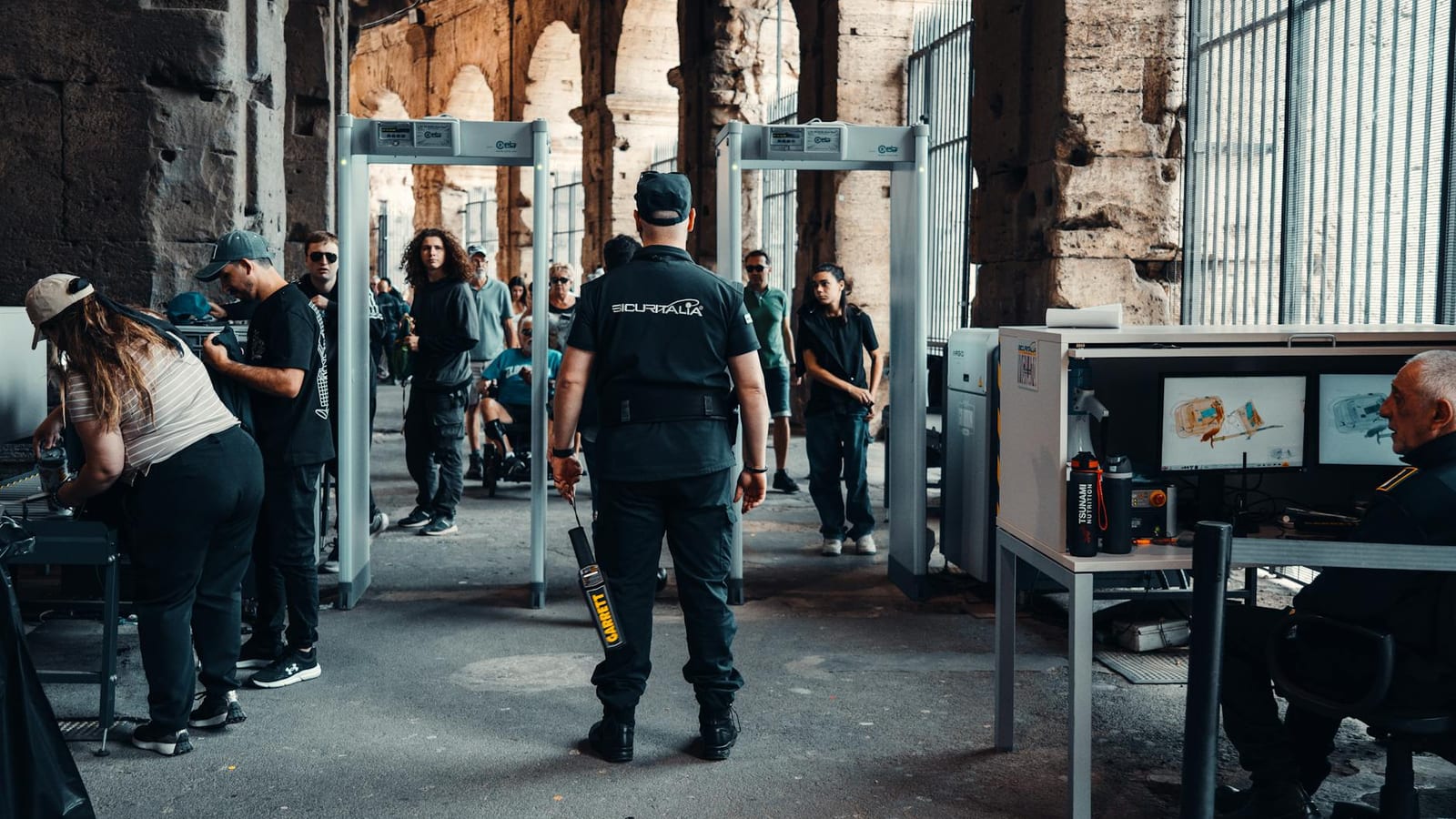
For once, the biggest IPL story is not about a yorker, a strike rate, or a selection call.
Halfway through IPL 2026, the cricket has kept rolling. But behind the clean television product, the BCCI has pushed every franchise into a tighter security net. The board has warned teams about unknown visitors, possible honey traps, and leaks of team information.
This is not the sort of note players enjoy reading during a packed season. Yet in a league where one loose conversation can travel faster than a 150 kph bouncer, the message is clear. Access is now a serious cricketing matter.
BCCI tightens IPL hotel access
The board has sent an 8-page set of guidelines to all 10 franchises. These rules apply not only to players and support staff, but also to team officials and owners.
The key point is simple. No unknown person can enter a team hotel room or dressing room without proper permission. Even if a visitor knows a player or staff member, the team manager must be informed first.
The BCCI has told teams that guests should meet players only in public hotel areas. That means the lobby or reception lounge, not private rooms upstairs.
For young players, this may feel strict. Many are living out of hotels for weeks, away from home, with family and friends trying to meet them between matches. But the IPL is not just a cricket tournament anymore. It is a moving, high-value business caravan.
Every team hotel carries players, data analysts, coaches, owners, agents, sponsors, and sometimes families. In that crowd, privacy and security can get messy very quickly.
Honey-trap warning worries teams
The board’s anti-corruption concerns sit at the heart of this move. The BCCI has warned franchises about honey-trap risks during high-profile tournaments.
A honey trap, in plain words, means someone tries to build a personal or romantic connection to extract information. In cricket, that information may be team plans, injuries, selection hints, pitch views, or even player availability.
On paper, some of this may sound small. In the IPL, it is not. A batter carrying a niggle, a bowler being rested, or a surprise Impact Player plan can affect betting markets and team strategy.
The board’s concern appears to have grown after incidents involving some players’ partners, relatives, and friends during the season. The BCCI has not framed the issue as a moral panic. It has treated it as a security and anti-corruption problem.
That distinction matters. Players today are public figures, but they are also young men under intense attention. Many are in their early 20s, newly famous, and suddenly surrounded by money, cameras, social media, and constant requests.
A loose Instagram message, a friendly hotel meeting, or a casual party conversation can create risks. Not every approach is dangerous. But the board clearly believes teams cannot leave this to individual judgement.
Surprise checks add pressure
Devajit Saikia, the BCCI secretary, has told teams to stay alert through the rest of the tournament. The guidelines also say players, staff, owners, and officials must wear accreditation cards at hotels and stadiums.
That may sound like school discipline, but accreditation is the first wall in tournament security. If everyone wears an official pass, security staff can quickly spot someone who does not belong there.
The board has also formed a special task force with BCCI and IPL operations officials. This team can carry out surprise checks at hotels at any time.
If officials find an unauthorised person in restricted areas, the board can act against the player, support staff member, or team owner involved. The warning is aimed at everyone, not just the junior-most cricketer in the squad.
That is important because IPL access often works through influence. Owners know celebrities. Sponsors know managers. Friends know assistants. A player may not always be the person who opens the door.
The BCCI wants that chain tightened. Written permission from the team manager now becomes the line between a casual visit and a rule breach.
Owners face stricter match limits
The guidelines also restrict owners and officials during matches. They cannot meet, speak to, or give instructions to players and support staff in the dugout or dressing room during play.
This is one of the more interesting parts of the order. The IPL has always carried a bit of theatre around owners. Cameras love them. Fans recognise them. Some are deeply involved in the public mood of their teams.
But a match day dressing room cannot become a hospitality lounge. Coaches must coach. Captains must think. Analysts must work. Players must breathe.
When owners or officials enter that space during a match, even with good intent, the cricket chain of command can blur. A senior player may not know whether a suggestion is casual or expected. A coach may lose control of the room.
The BCCI seems to be drawing a harder line. Once the match starts, the sporting staff should handle the cricket.
This also protects owners. In a tournament with heavy betting interest, even a harmless conversation can invite suspicion if it happens at the wrong time, in the wrong place.
Cricket’s richest league grows up
The Indian Premier League has spent nearly 2 decades turning cricket into a full-season spectacle. The league now runs like a major entertainment company, with packed stadiums, huge broadcast deals, fantasy games, and constant online chatter.
That success brings a price. The more valuable the league becomes, the more people try to get close to it.
For fans, this may look like backstage drama. For teams, it is daily risk management. A franchise has to protect performance plans, player welfare, sponsor commitments, and the league’s reputation, all at once.
The players also live under a strange kind of pressure. They must entertain millions, follow strict team rules, stay accessible to sponsors, manage family expectations, and avoid questionable contact. That is a lot to carry while trying to hit yorkers or clear long-on.
Still, the BCCI’s move tells us where elite cricket is heading. Skill will always decide matches, but discipline around the team bubble now matters almost as much. In the modern IPL, a dropped catch can hurt a side for one night. A careless hotel-room breach can hurt the whole tournament.
For ordinary fans, the takeaway is not that cricket has become joyless. It is that the game they love now operates at a scale where trust needs systems, not just good intentions. The cricket will continue under lights. But behind those lights, the doors are closing a little tighter.