BCCI orders IPL teams to tighten hotel access rules
BCCI has issued an advisory to IPL 2026 teams, seeking stricter hotel access controls to protect players and prevent information leaks.
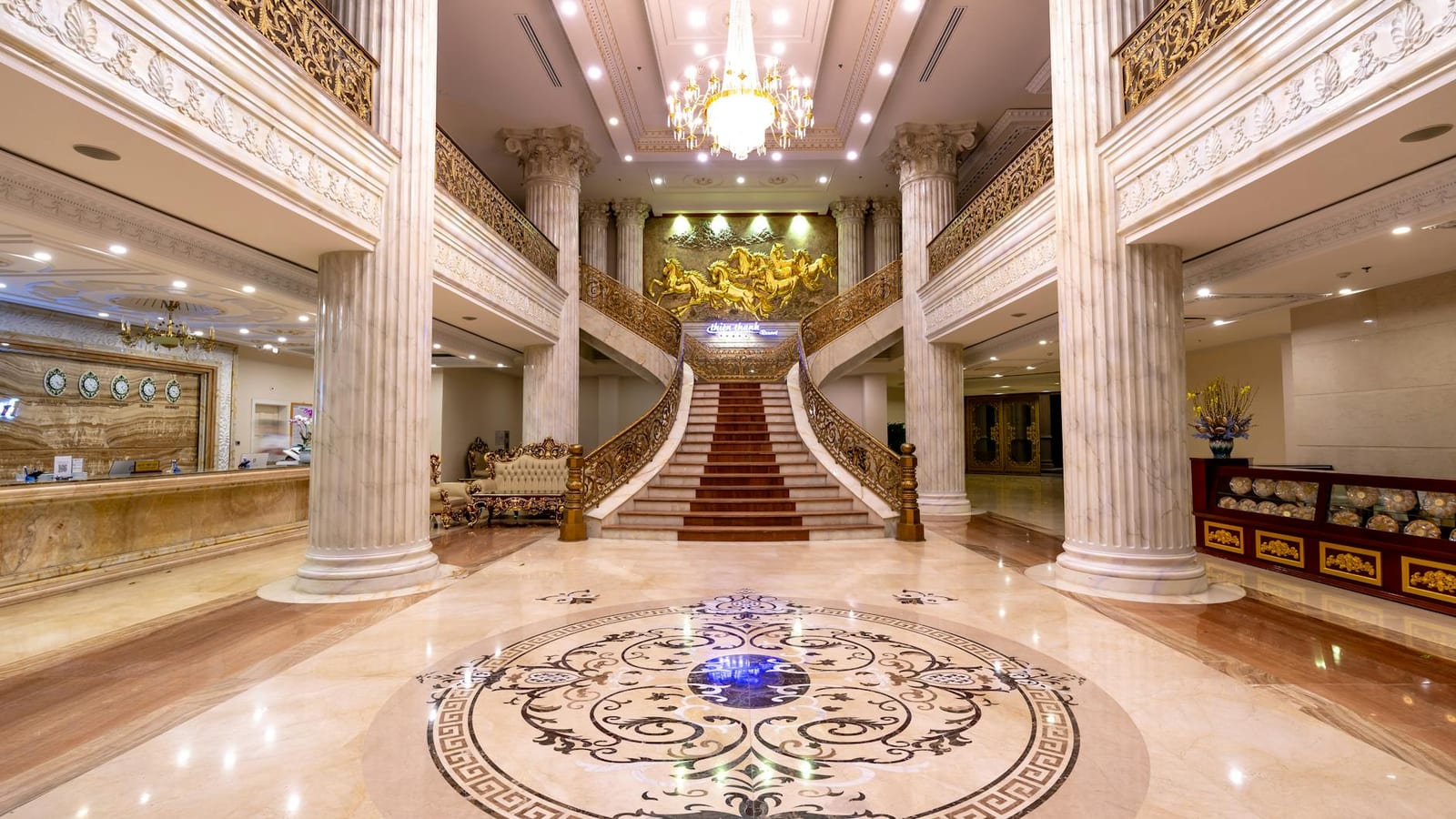
A hotel lobby during the IPL is never just a hotel lobby. It is part cricket camp, part media circus, part security drill.
That is why the latest warning from BCCI has landed with force in IPL 2026. The board has told all 10 teams to tighten access around players, support staff, owners and officials.
The concern is blunt: unknown visitors, possible honey traps, and the risk of sensitive team information leaking out.
BCCI tightens the hotel bubble
The board has sent an 8-page advisory to every franchise. It covers who can meet players, where those meetings can happen, and what teams must report.
The rules apply to players, support staff, team officials and owners. That matters because IPL access is not limited to cricketers alone.
Franchise hotels often become busy social spaces. Families visit. Friends drop in. Sponsors hover around. Owners and guests move through corridors.
BCCI now wants that casual movement reduced. No unknown person can enter team hotels or dressing rooms without proper approval.
Even known visitors cannot walk into private rooms freely. The team manager must know about the visit and give written permission.
Guests can meet players only in the hotel lobby or reception lounge. Private rooms are now out of bounds without written clearance.
For players, this changes the rhythm of the tournament. The IPL already keeps them inside a moving bubble of flights, hotels and stadiums.
Now that bubble gets another layer. It may feel intrusive, but the board clearly believes the risk has grown.
Why honey traps worry cricket
The phrase “honey trap” sounds dramatic, almost like spy fiction. In sport, it is usually more ordinary and more dangerous.
A stranger builds contact with a player or staff member. The relationship may look social at first. Then comes a request for team news.
That information can be small but valuable. A player’s injury update, a batting order hint, or a pitch-reading conversation can matter.
In a betting-heavy environment, even a small leak can carry serious value. Cricket has learned this lesson the hard way.
The advisory points to concerns raised by the anti-corruption unit. It flagged the danger of unknown persons contacting players or team members.
The board also appears worried about legal and personal risk. The advisory refers to possible allegations linked to sexual harassment laws.
That is a sensitive area. A careless private meeting can damage reputations, even before any sporting question arises.
For young players, the warning is especially relevant. Many enter the IPL after sudden fame and quick money.
A 21-year-old who was playing domestic cricket months ago may now live under heavy attention. Not everyone around him has clean motives.
That is where teams must do more than issue rules. They need to train players in saying no, reporting contact, and spotting pressure early.
Owners and officials face limits
The advisory does not stop with outsiders. It also draws lines for franchise owners and officials.
During matches, owners and officials cannot talk to players or support staff in the dugout or dressing room. They cannot pass instructions either.
This is not a small point. IPL teams often carry strong owner presence, especially around high-pressure games.
A close owner-player equation may feel normal inside a franchise. But match areas need clear sporting control.
The dugout belongs to the captain, coach, analysts and players. Too many voices can create confusion.
It can also raise integrity questions. If non-playing officials move freely near match operations, the board has less control.
The rule protects cricket’s chain of command. It tells owners they can run the business, but not the live cricket space.
Devajit Saikia, the BCCI secretary, has communicated these instructions to the teams. The message is simple: everyone must follow the same boundary.
The accreditation rule supports that. Players, support staff, owners and officials must wear their accreditation cards at hotels and stadiums.
That sounds basic, but it matters in the IPL. Crowds, private security, hotel staff and event teams all overlap.
A visible card helps security decide who belongs where. It also removes the “I know someone” culture from restricted areas.
Surprise checks raise the stakes
BCCI has also formed a special task force with the IPL operations team. It can inspect team hotels without prior notice.
That means this advisory is not just paperwork. Teams may have to prove they are following it on any given day.
If unauthorised people are found in restricted areas, the board can act against the player, support staff member or owner involved.
The advisory says the board has already noticed several breaches this season. These involved security and other operating rules.
That explains the timing. IPL 2026 is already midway through, so this is not a routine pre-season reminder.
It is a correction while the tournament is running. That usually means the board believes teams are getting too relaxed.
For franchises, the compliance burden now grows. Team managers must track visits, permissions, cards and hotel access more carefully.
For players, the personal burden grows too. They must think before inviting someone up, even if the person is known to them.
This may feel awkward for families and friends. But high-profile sport no longer allows easy informality.
The IPL is not just a cricket tournament. It is a television product, betting target, business platform and celebrity magnet rolled into one.
That mix brings money and glamour. It also brings people who want access for the wrong reasons.
The smarter teams will treat this as player protection, not only rule enforcement. A secure player is usually a calmer player.
The rest may learn the hard way. In modern cricket, one loose conversation can become a headline, an inquiry, or worse.
For fans, this episode offers a reminder behind the sixes and celebrations. The IPL machine runs on trust as much as talent. If the board wants stricter doors and fewer private shortcuts, it is because cricket’s most valuable asset is still simple: the game must look clean, and the players must feel protected.