BCCI Orders IPL Teams To Tighten Hotel Access Over Leak Risks
BCCI has asked IPL franchises to restrict hotel and dressing room access amid concerns over honey traps, unauthorised visitors and team leaks.
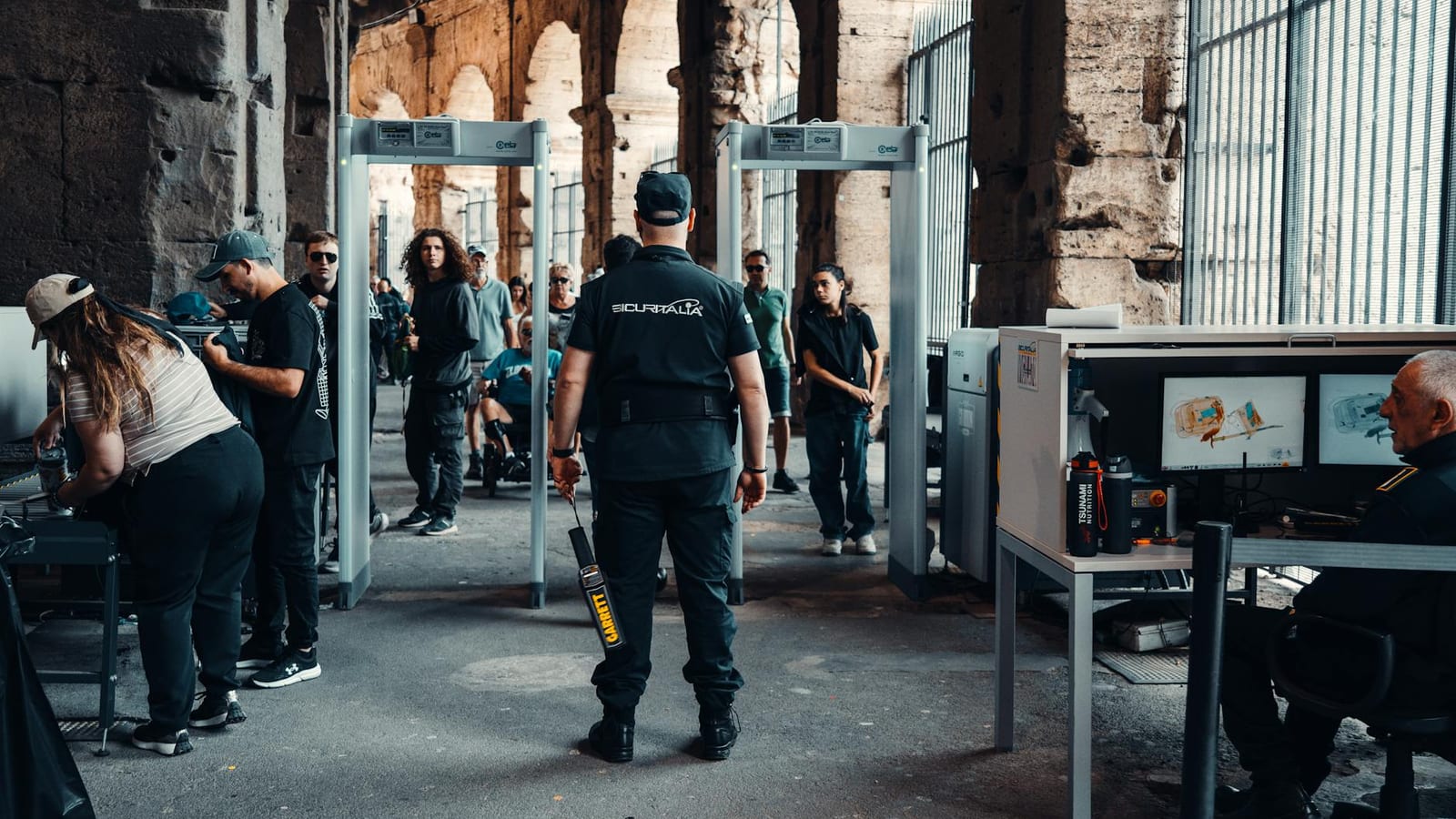
The IPL hotel lobby is no longer just a place for coffee, selfies and late-night team chats.
Halfway through IPL 2026, the BCCI has told all 10 teams to tighten access around players, support staff and team areas. The trigger is serious, even if the phrase sounds filmi: possible honey traps, unauthorised visitors, and leaks of sensitive team information.
For players, this changes daily life immediately. A friend cannot casually walk into a hotel room. A relative cannot be waved through because someone knows someone. Even team owners face new limits inside match zones.
BCCI tightens IPL access rules
The board has sent an 8-page advisory to all franchises. It applies to players, support staff, team officials and owners.
The message is simple. Team hotels, dressing rooms and other restricted areas cannot become open spaces. Only authorised people can enter them.
The concern is not only personal safety. The BCCI also fears that private conversations, injury updates, team plans or match-related information could leak.
In a tournament where even a batting-order hint can move betting markets, that is not a small matter. IPL cricket lives on glamour, money and access. That same mix also creates risk.
The advisory follows concerns raised during the ongoing season. Some incidents reportedly involved guests linked to players, relatives or friends. The board has now decided to draw a hard line.
Hotel rooms now need clearance
The strictest rule concerns hotel rooms. No visitor can enter a player’s or support staff member’s room without informing the team manager and getting written permission.
That rule applies even when the visitor knows the player personally. The board does not want teams relying on informal trust.
Visitors can meet players only in hotel lobbies or reception lounges. Private rooms are now out of bounds unless the team manager clears it in writing.
This may sound harsh to fans. But players spend nearly 2 months moving from city to city, often under heavy public attention. Their hotels become both workplace and home.
That is exactly why the BCCI wants cleaner boundaries. The board seems worried that casual access can quickly become a problem.
A young player, especially one new to IPL fame, may not always know who is approaching him. A friendly message, a hotel visit or a social media contact can look harmless at first.
But in elite sport, small openings can become pressure points. That is what the board wants teams to prevent before damage happens.
Honey-trap warning reaches teams
The advisory specifically warns franchises about honey-trap risks. In plain English, that means someone may use personal or romantic contact to extract information, create pressure, or set up a damaging situation.
This is not only about morality policing. It is about control of access and protection from manipulation.
The BCCI has also flagged the possibility of serious legal trouble in cases linked to sexual harassment laws. That is why teams have been asked to stay alert and act early.
Players, support staff, owners and officials must also wear accreditation cards at hotels and stadiums. The idea is to remove confusion over who belongs where.
In Indian cricket, status often opens doors. A familiar face, a powerful owner, a sponsor’s guest, or a friend of a friend can pass through without many questions.
The new rules try to stop that culture. Access must come from permission, not influence.
That matters because IPL dressing rooms are not normal office spaces. They hold selection talks, injury details, tactical plans, private frustration and emotional stress.
One loose conversation can become a headline. One wrong phone contact can become an inquiry. One unauthorised guest can put an entire franchise under scrutiny.
Owners face match-day limits
The advisory also places curbs on team owners and officials during matches. They cannot meet, speak to, or instruct players and support staff in the dugout or dressing room during play.
That is an interesting move. IPL owners are highly visible. Some sit close to the action. Some celebrate every boundary like fans. Some have long relationships with players.
But the board now wants clearer separation during matches. Coaches coach. Captains lead. Owners own.
This matters for sporting integrity. A match-day dressing room should not feel like a boardroom, sponsor lounge or family function.
Devajit Saikia, the BCCI secretary, has communicated these instructions to franchises through the advisory. The tone is firm, not suggestive.
The board has also created a special task force with BCCI and IPL operations officials. This group can conduct surprise checks at team hotels.
If inspectors find unauthorised people, the player, support staff member or owner linked to the violation could face strict action.
That is the part franchises will notice most. Rules often exist on paper in Indian sport. Surprise checks turn them into something real.
Why this matters beyond cricket
For ordinary fans, this may feel far away from the cricket itself. After all, nobody buys a ticket to watch hotel security.
But modern IPL is not just sport. It is a travelling business city. Players, broadcasters, sponsors, agents, owners, celebrities and influencers all move around the same bubble.
That bubble creates money and entertainment. It also creates temptation and exposure.
For a franchise, a leak can damage strategy. For a player, one poor judgement call can hurt reputation and career. For the tournament, a scandal can shake trust.
The BCCI has learned this the hard way over the years. Indian cricket has seen how quickly off-field issues can overshadow a season.
This advisory also tells us something about the changing life of cricketers. Fame now arrives early. A 20-year-old can become a household name after 2 good innings.
That player suddenly faces attention from fans, brands, strangers and social media accounts. Not everyone comes with clean intentions.
So yes, the language around honey traps will grab headlines. But the larger issue is simpler. The IPL has become too big to run on informal access and personal comfort.
The board is trying to professionalise the private side of the tournament. It wants teams to treat hotels and dressing rooms like controlled work zones.
That may make life less relaxed for players and families during the season. It may annoy owners who are used to moving freely around their teams.
But the direction is clear. The IPL wants spectacle on the field, not chaos around it.
For fans, the real test will not be the advisory itself. It will be whether franchises follow it when the person at the door is powerful, famous or close to a star player. That is where rules either become culture, or remain paperwork.