Xinjiang coal push redraws Asia energy security map
China is turning Xinjiang coal reserves into a strategic energy buffer, with implications for oil demand, fuel prices and Asian trade routes.
A war in Iran can raise fuel prices in India. A coal mine in Xinjiang can now soften that blow for China.
That is the quiet shift unfolding in China’s far west. While the Middle East still holds enormous power over oil, Beijing is building another kind of energy shield at home.
For Indian readers, this is not some distant industrial story. It goes straight to petrol prices, plastics, fertilisers, trade routes, and the next phase of Asian power.
Xinjiang becomes China’s energy backstop
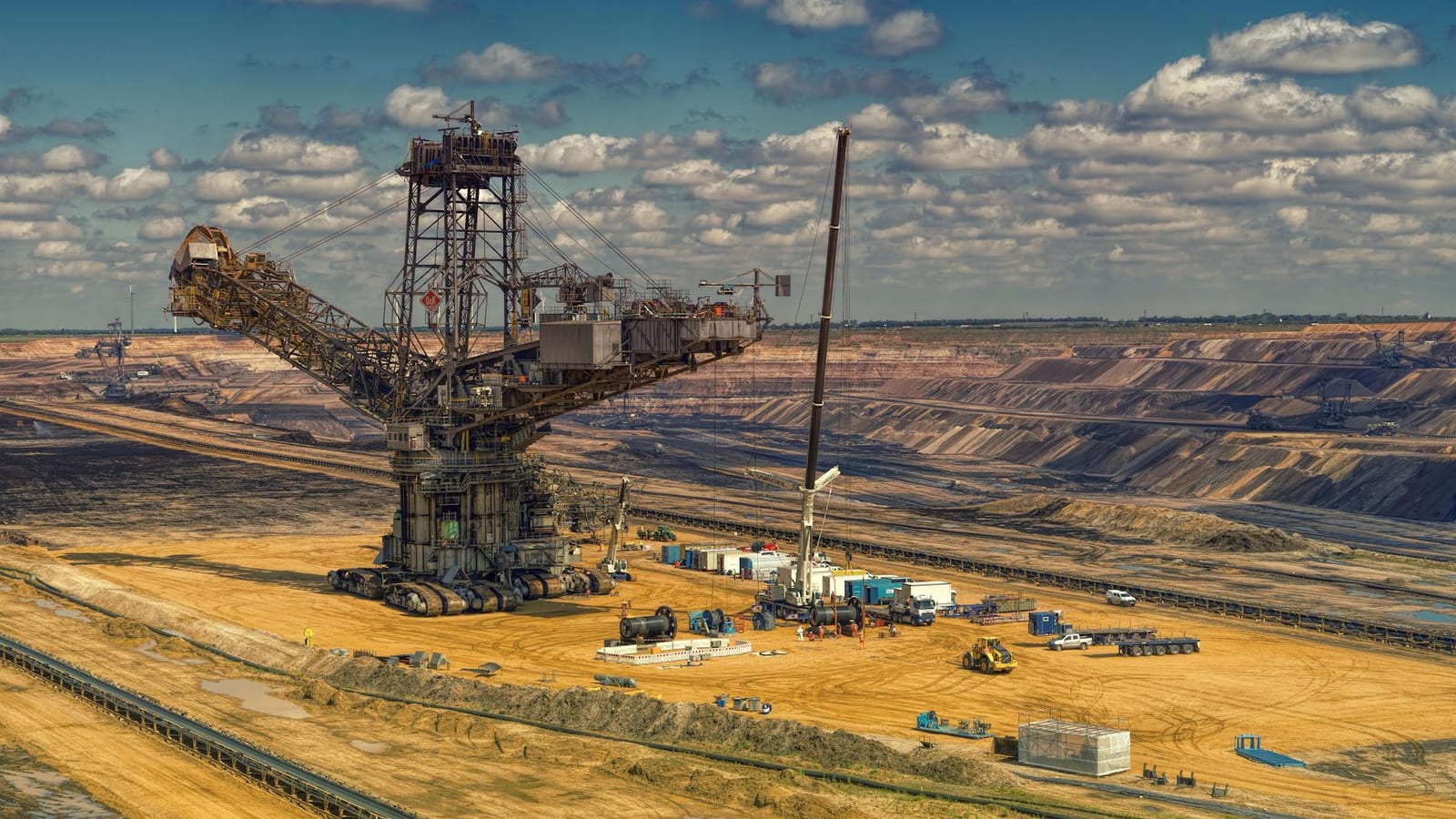
In northern Xinjiang, the Gobi Desert now carries the sound of heavy industry. Mines, power plants, chimneys and chemical units have changed the landscape around Wucaiwan in Changji Hui autonomous prefecture.
The Zhundong National Economic and Technological Development Zone sits on estimated coal reserves of 390 billion tonnes. That number is so large that it almost stops being useful.
Think of it this way. China is trying to turn a huge coal deposit into a domestic substitute for imported oil.
The zone is one of China’s four major coal-chemical bases. These plants do not only burn coal for power. They convert coal into liquid fuel, gas, plastics, fertilisers and other industrial inputs.
That matters because oil is not just petrol and diesel. It is also the base for chemicals used in packaging, textiles, paints, medicines, electronics and farm inputs.
So when oil flows from the Gulf face pressure, China wants another route. Not by sailing around the problem, but by digging under its own feet.
Why oil shocks still hurt Asia
For nearly a century, oil shaped the modern economy. Ships, trucks, aircraft, refineries and chemical plants all grew around it.
The Persian Gulf remains central to that system. A huge share of the world’s oil wealth sits in and around that region.
That is why a conflict in Iran quickly becomes a concern in Mumbai, Shanghai, Seoul and Tokyo. Traders price in risk before ordinary people understand the headlines.
For India, the link is painfully familiar. When crude prices rise, import bills rise. When import bills rise, the rupee feels pressure. When the rupee weakens, many imported goods become costlier.
The effect then travels into daily life. Petrol pumps change rates. Airlines watch fuel bills. Paint makers, plastic goods firms and fertiliser companies start doing fresh maths.
China faces the same pressure, but at a different scale. Its manufacturing machine eats energy and chemicals in huge volumes. A prolonged oil shock can raise costs across factories.
Beijing’s answer is not to abandon global oil. That would be unrealistic. Instead, it is building fallback capacity at home.
That fallback is coal chemistry. It is old in principle, but China is trying to make it large, modern and strategically useful.
Coal chemistry changes the equation
Coal-to-chemicals sounds dull. It is anything but dull in geopolitical terms.
A country that can convert coal into fuel and chemical feedstock gains room to breathe during oil shocks. It may still pay more for crude, but it can protect some industrial chains.
The facilities in Xinjiang aim to produce cleaner gas, liquid fuels, plastics and fertiliser material. These are the very products that usually depend on oil and gas supply lines.
This does not mean coal suddenly becomes clean. Coal remains carbon-heavy. Mining scars land. Processing uses water and power. Xinjiang’s harsh desert setting also brings ecological concerns.
But Chinese planners often look at energy through another lens. They ask a simple question first. Can the country keep running during a crisis?
That crisis could be war in the Gulf. It could be sanctions. It could be a naval blockade risk. It could be a sudden spike in shipping insurance.
Seen that way, Xinjiang is not just an industrial zone. It is a strategic insurance policy.
There is another layer here. The West often reads China’s energy story through climate targets. That is only half the picture.
China is also preparing for a harder world. It expects supply chains to split. It expects pressure on sea lanes. It expects energy to become political.
So it is building more options inside its borders. Coal chemicals are part of that larger play.
What India should watch
India should read this story with clear eyes. We cannot copy China’s model blindly. Nor should we ignore what it reveals.
India also depends heavily on imported crude. Any Gulf crisis quickly enters our budget, our current account, and household spending.
But India does not have China’s scale of coal-chemical capacity. Nor does it have the same centralised ability to build giant industrial zones at speed.
What India does have is coal, refining skill, chemicals demand, and a large domestic market. The question is whether we use these strengths wisely.
There is a lesson here for Indian policymakers. Energy security no longer means only buying oil from more countries. It also means building substitutes, storage, domestic processing and smarter demand.
For a kirana store owner in a tier-2 city, this may sound far away. It is not. Packaging costs, transport costs and fertiliser prices all sit inside the final price of goods.
For young professionals paying EMIs, inflation is not an abstract word. It decides whether the monthly budget stretches or snaps.
If China can cushion some oil shocks through domestic coal chemicals, its exporters may handle crisis costs better. That can affect competition in sectors where Indian firms also want to grow.
There is also a trade angle. If China produces more chemicals and plastics from coal, global prices may shift. Indian chemical producers will need to watch both opportunity and pressure.
The climate question will not disappear. Coal-based chemicals can deepen emissions unless plants control pollution and improve efficiency. That is a real cost.
But energy policy now sits between two hard truths. Countries need cleaner growth. They also need protection from sudden geopolitical shocks.
China has chosen to spend heavily on that protection. Xinjiang’s coal belt shows how far it will go.
For India, the message is simple. The next oil shock may begin in the Gulf, but the winners will be countries prepared before the crisis. Energy security is no longer only about what we import. It is about what we can still make when the world outside turns uncertain.