White House Rejects Ebola Evacuation Refusal Claim
US officials deny refusing an Ebola-infected American doctor’s evacuation after he was flown from Congo to a Berlin isolation unit.
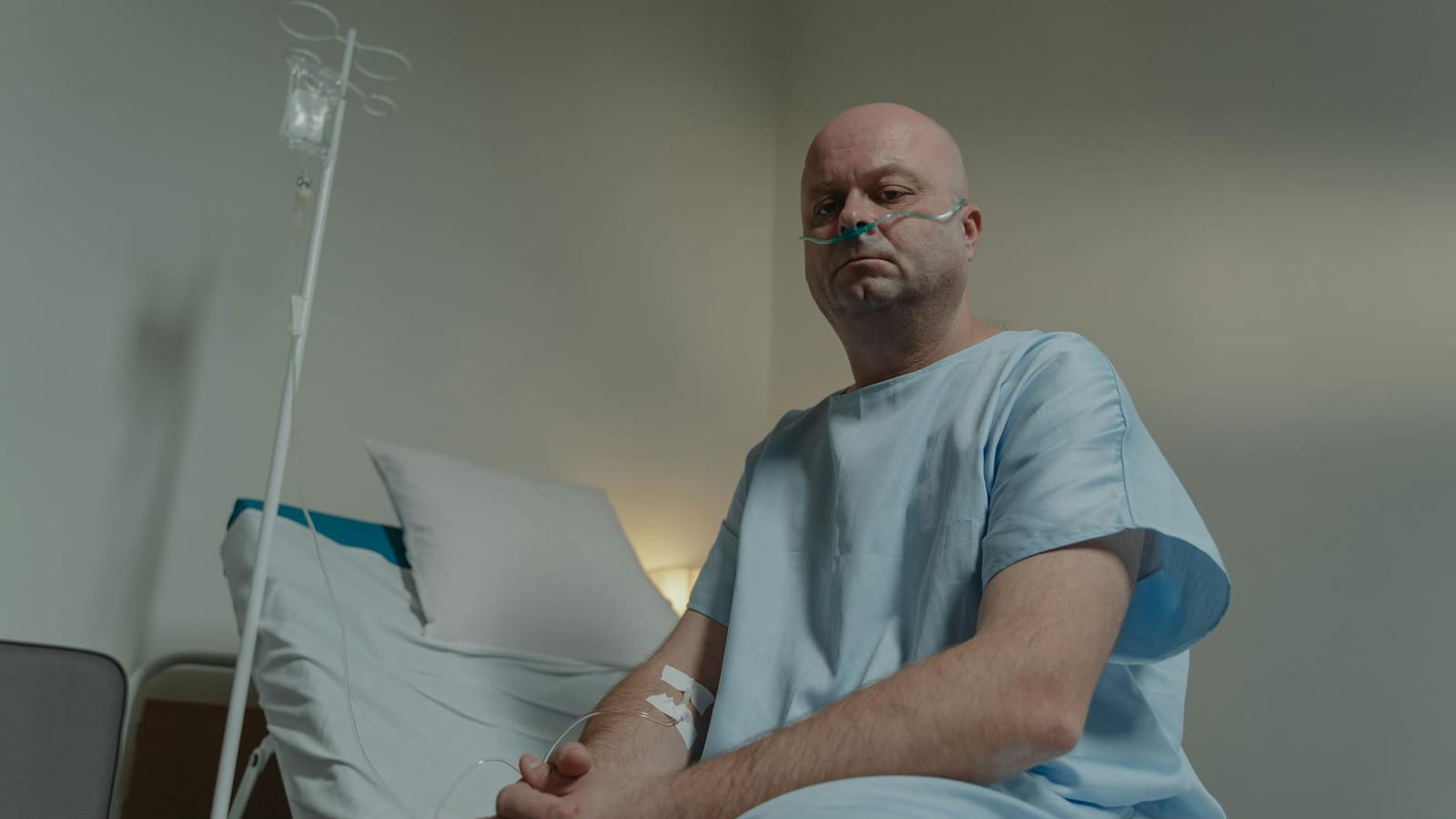
A sick doctor, a deadly virus, and a transatlantic flight have turned into a political storm.
An American physician infected with Ebola in Congo is now being treated in Berlin, not in the United States. That single fact has raised an uncomfortable question in Washington: did politics slow down a medical evacuation?
The White House says no. It has rejected claims that the Trump administration refused to bring the infected American home. But the episode has already stirred old fears about Ebola, public panic, and how governments behave when health risk meets political optics.
A patient moved to Berlin
The doctor contracted Ebola in Congo, where outbreaks can move fast and fear moves faster. He was flown to Germany after the United States asked the German government for help with his treatment.
He has been admitted to a special isolation unit at Charité in Berlin. German health officials said the unit remains fully separated from the rest of the hospital. They also stressed that the public and other patients face no danger.
That detail matters. Ebola is frightening, but it does not spread like flu. It usually passes through direct contact with the bodily fluids of an infected person. Hospitals with trained teams and sealed units know how to manage that risk.
The patient’s wife and four children are also at Charité. Germany’s health ministry said they count as contacts, but their recent tests were negative. The CDC, America’s main public health agency, said the doctor’s condition is stable.
Washington denies a refusal
The controversy began after claims surfaced that the infected American could not return to the United States. The claim suggested that this delayed his treatment and pushed the evacuation route towards Germany.
The White House called that account false. Spokesman Kush Desai said the administration’s only concern was the health and safety of American citizens.
He also praised Charité’s capacity. The hospital, he said, ranks among the world’s strongest centres for treating and containing diseases such as Ebola.
The CDC gave a more practical explanation. It said Berlin meant a shorter flight from Congo. It also pointed to Charité’s experience with Ebola care.
That may sound like a neat administrative answer. Yet medical evacuations are rarely just administrative. They carry fear, headlines, and political baggage.
In 2014, during the West African Ebola outbreak, infected Americans were flown home for treatment. Donald Trump, then outside government, criticised those decisions. That older position now shadows the present case.
Ebola fear still shapes politics
Ebola is not just a disease in public memory. It is a word that can empty rooms, trigger border panic, and turn science into shouting.
This is why governments often speak carefully during such cases. One wrong phrase can make people think a city is unsafe. One vague denial can make critics think officials are hiding something.
For ordinary families, the fear is simple. If a hospital takes in an Ebola patient, people ask whether their own treatment becomes risky. If a country brings home an infected citizen, voters ask whether leaders took a needless gamble.
Public health experts usually answer this calmly. A properly isolated Ebola patient in a top hospital poses far less risk than an untreated patient in a weak system. The danger comes when politics delays care or pushes the case into secrecy.
That is the real concern here. Even if the White House version is correct, the dispute shows how quickly health decisions become reputation decisions.
For India, this is not distant theatre. Indian doctors, engineers, traders, and aid workers live across Africa. Many work in regions where outbreaks, conflict, and poor health systems overlap.
If an Indian citizen contracts a high-risk disease abroad, New Delhi would face similar questions. Bring the patient home? Treat them nearby? Ask a third country for help? Each option has medical, diplomatic, and political costs.
Why India should watch closely
India has built stronger outbreak systems after Covid, Nipah, and repeated disease scares. But evacuation of a highly infectious patient still tests any country’s confidence.
The first test is medical capacity. Does the country have enough high-security isolation beds? Can staff handle the patient without putting themselves at risk? Can labs test quickly and safely?
The second test is communication. People do not need drama. They need plain facts, repeated calmly. What is the disease? How does it spread? Who is at risk? What steps has the hospital taken?
The third test is political nerve. Leaders must resist the temptation to look tough by shutting doors. They must also resist panic-driven messaging that treats patients like threats.
India learned this the hard way during Covid. Migrant workers, airline passengers, hospital patients, and ordinary families all paid when rules changed faster than explanations. Trust collapsed in places where communication failed.
The American case also reminds India that global health depends on partnerships. A patient infected in Congo, treated in Germany, and debated in Washington shows how connected the system has become.
No country can pretend disease respects passports. Nor can any government outsource public confidence forever.
A test beyond one doctor
Charité’s role in this case shows how specialised medicine can quietly prevent wider trouble. The German hospital has an isolation unit designed for exactly such risks. Its job is to protect the patient and everyone around him.
That may look routine from outside. It is not. It needs trained nurses, protective gear, strict waste handling, secure labs, and disciplined communication. One weak link can turn a medical case into a public crisis.
The United States says Germany offered the faster and better treatment path. If that is true, it was a sensible call. Sick patients need the shortest safe route, not the most patriotic one.
But the political question will not disappear so easily. Critics will ask whether fear of public reaction influenced the decision. The White House will keep insisting that health and safety came first.
For the doctor’s family, this argument is not abstract. They are far from home, under watch, and waiting for test results that carry enormous emotional weight. For the medical team, every shift demands care without panic.
For Indian readers, the lesson is straightforward. In a crisis, a government’s real strength is not loud certainty. It is the ability to act fast, explain clearly, and treat citizens as human beings even when fear is high.
That is what this case will be remembered for, beyond the denial and the headlines. The next outbreak may not wait for politics to catch up.