West Asia tensions put India on alert over oil and flight costs
Lebanon's appeal for US pressure on Israel and Hormuz risks raise fresh concerns for India over fuel prices, airfares and factory costs.
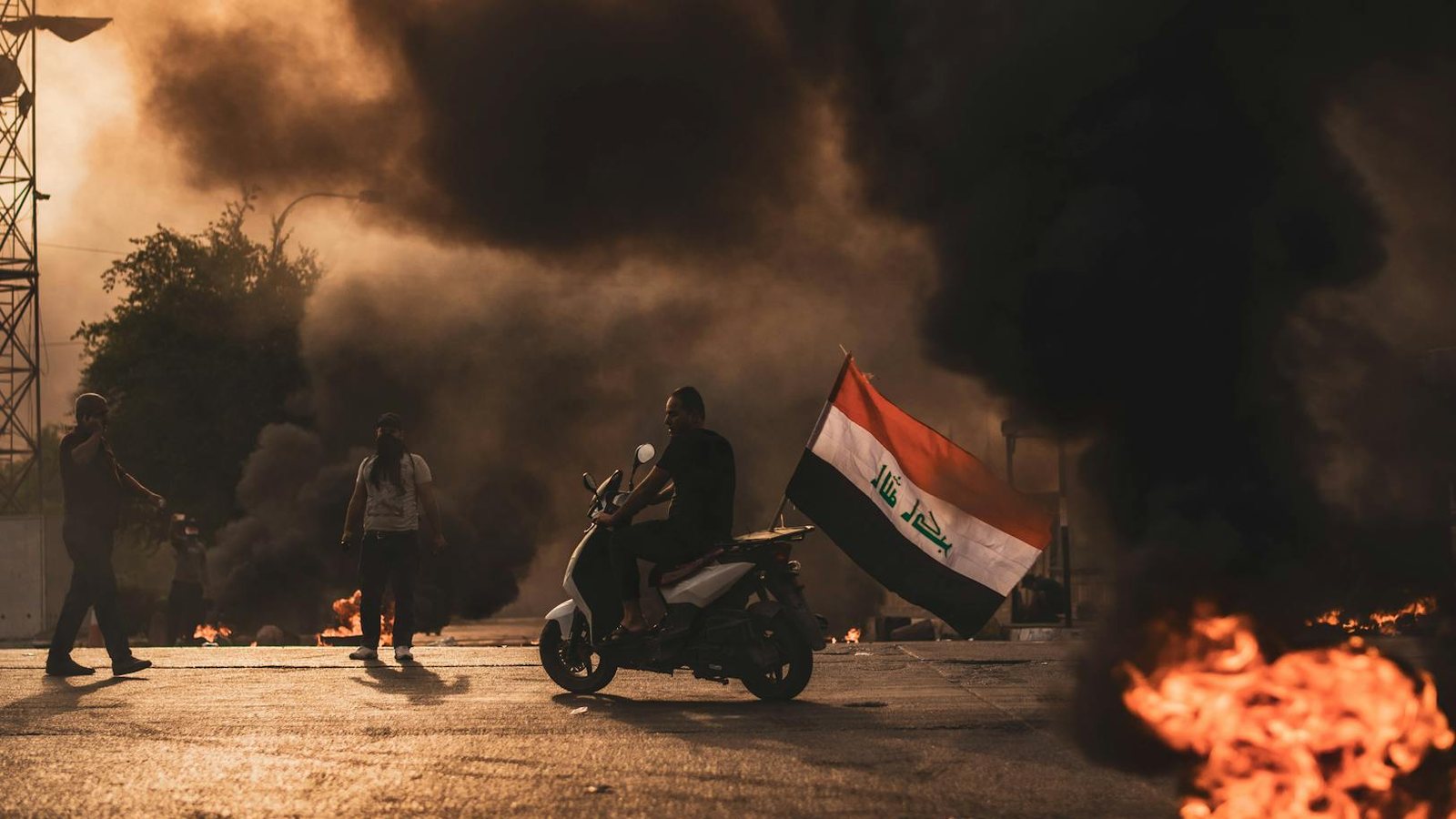
A tanker slipping through Hormuz now matters as much as a missile launch.
That is how tense West Asia has become. One narrow sea lane, one rejected proposal, and one fresh round of Israeli strikes in Lebanon are now tied together in a crisis that can reach Indian fuel bills, airline fares, and factory costs within weeks.
For India, this is not distant noise. It is a reminder that geography can still squeeze an economy faster than any spreadsheet can predict.
Lebanon pulls Washington back in
Lebanon has asked the United States to press Israel to halt its military operations in the country’s south.
Lebanese President Joseph Aoun raised the issue with US ambassador Michel Issa after fresh Israeli strikes killed dozens of people, the Lebanese health ministry said. Beirut says homes and villages in southern Lebanon are being destroyed despite a ceasefire announced by US President Donald Trump on April 16.
Israel says it needs a security zone in southern Lebanon to protect itself from Hezbollah attacks. Its military argues that Hezbollah fighters use civilian areas to hide and operate.
That claim sits at the centre of many modern conflicts. Armies say militants use homes as shields. Civilians say they pay the price for decisions made far away. Both sides then fight over not just territory, but also the story.
Lebanese Prime Minister Nawaf Salam has said Israel controls dozens of places in the south. He described the area as nearly half of the land south of the Litani river, about 30 km from the Israeli border.
For families in those villages, this is not a map problem. It is about whether they can return home, repair a roof, or even know if the house still exists.
Iran rejects Trump’s offer
The Lebanon flare-up is running alongside a bigger confrontation involving Iran, the United States, and Israel.
Pakistan has passed Iran’s response to the latest US proposal to Washington. Trump then called the Iranian reply unacceptable on Truth Social, without giving full details of the American plan.
Iranian officials say their proposal is reasonable. Foreign ministry spokesperson Esmail Baghaei said Tehran wants the war to end, US sanctions lifted, frozen Iranian funds released, and shipping restrictions removed.
Iran also wants a say over security in the Strait of Hormuz and the wider region. That last point will worry every oil-importing country, including India.
Reports around the talks suggest one possible formula involves Iran diluting some highly enriched uranium and sending some material abroad. Iran has denied parts of those reports and says it will not dismantle its nuclear facilities.
This is the hard knot. Washington and Israel want Iran’s enriched uranium removed and its capacity to enrich more uranium reduced. Tehran says its nuclear programme is peaceful and treats dismantling demands as surrender.
Israeli Prime Minister Benjamin Netanyahu has said the war is not over because nuclear material, enrichment sites, missiles, and Iran-backed groups still remain. His message is blunt. Israel does not see this as finished work.
Hormuz turns into a warning
The Strait of Hormuz is the small choke point now carrying a very large global fear.
A liquefied natural gas tanker from Qatar has crossed the strait for the first time since the war began, based on shipping data. It was headed to Pakistan, where energy shortages have already caused power cuts.
Iran reportedly allowed that passage as a confidence-building move. Qatar and Pakistan are both involved in mediation efforts. But the message remains clear. Passage through Hormuz is no longer something markets can take for granted.
Three oil tankers also crossed the strait with tracking systems switched off, according to shipping analysis firms. Two carried Iraqi crude. Ships often go dark when owners fear attack, seizure, or sanctions trouble.
That alone tells us the new mood in the Gulf. When vessels carrying millions of barrels of oil move like fugitives, insurance costs rise. Freight costs rise. Eventually, consumers pay.
For India, this matters directly. We import most of our crude oil. A sustained price shock feeds into petrol, diesel, aviation fuel, fertilisers, plastics, and transport.
Even a kirana store owner in a tier-2 city feels this chain. Higher diesel costs can push up the price of vegetables, packaged goods, and delivery. The war may be abroad, but the bill travels.
Energy markets face a reset
International Energy Agency chief Fatih Birol has warned that the Hormuz crisis could permanently change global energy markets.
He said importers will now look for other suppliers because the strait has lost its image as a reliable route. Crude oil is trading around $110 a barrel, almost double its pre-crisis level.
That is a heavy number for governments. It can slow growth, widen trade deficits, and force difficult subsidy choices. For households, it shows up quietly, then suddenly.
Birol also said the shock could push electric vehicles, electric trucks, renewables, and nuclear power faster. Expensive oil often does what climate speeches cannot. It makes alternatives look practical.
But there is a catch. Some Asian economies may burn more coal if oil and gas supplies stay uncertain. That would solve one shortage while worsening another problem.
This is where India must think carefully. We need affordable energy, but we also need cleaner growth. A crisis like this can either speed up smart planning or push countries into old habits.
The 1970s oil crisis forced carmakers to improve fuel efficiency. This crisis may force countries to rethink shipping routes, fuel reserves, refinery strategy, and electricity planning.
India watches a familiar fire
India has seen this movie before, though each version has a different cast.
When West Asia shakes, India counts the cost in three places. Oil import bills, the safety of Indian workers in the region, and the diplomatic balance between partners.
New Delhi has strong ties with Israel. It also has old civilisational and energy links with Iran. It works closely with Gulf states, where millions of Indians live and work. It needs Washington too.
That makes India’s position delicate. Loud moral posturing rarely serves Indian interests in this region. Quiet calls for de-escalation, safe shipping, and protection of civilians usually matter more.
Pakistan’s role as a messenger between Iran and the United States also deserves attention in India. Islamabad is trying to position itself as a useful diplomatic channel. That does not change India’s core interests, but it adds another layer to the regional chessboard.
The immediate danger is escalation by misreading. A drone interception, a tanker incident, or another strike in Lebanon could derail talks quickly. In crowded conflict zones, mistakes often travel faster than diplomacy.
The deeper lesson is simpler. India cannot treat energy security as a boring ministry file. It is national security, household economics, and foreign policy rolled into one.
If Hormuz stays unstable, India will need more supply options, larger buffers, faster clean energy plans, and sharper diplomacy. The ordinary Indian may never track a tanker on a map. But when fuel, food, and flights get costlier, that narrow stretch of water suddenly enters every home.