US to screen flyers from Ebola-hit African zones
US airport checks will target travellers from Ebola-hit areas after a Congo case, as WHO urges border and hospital readiness.
One Ebola case in a distant Congolese mining belt has now reached American border desks.
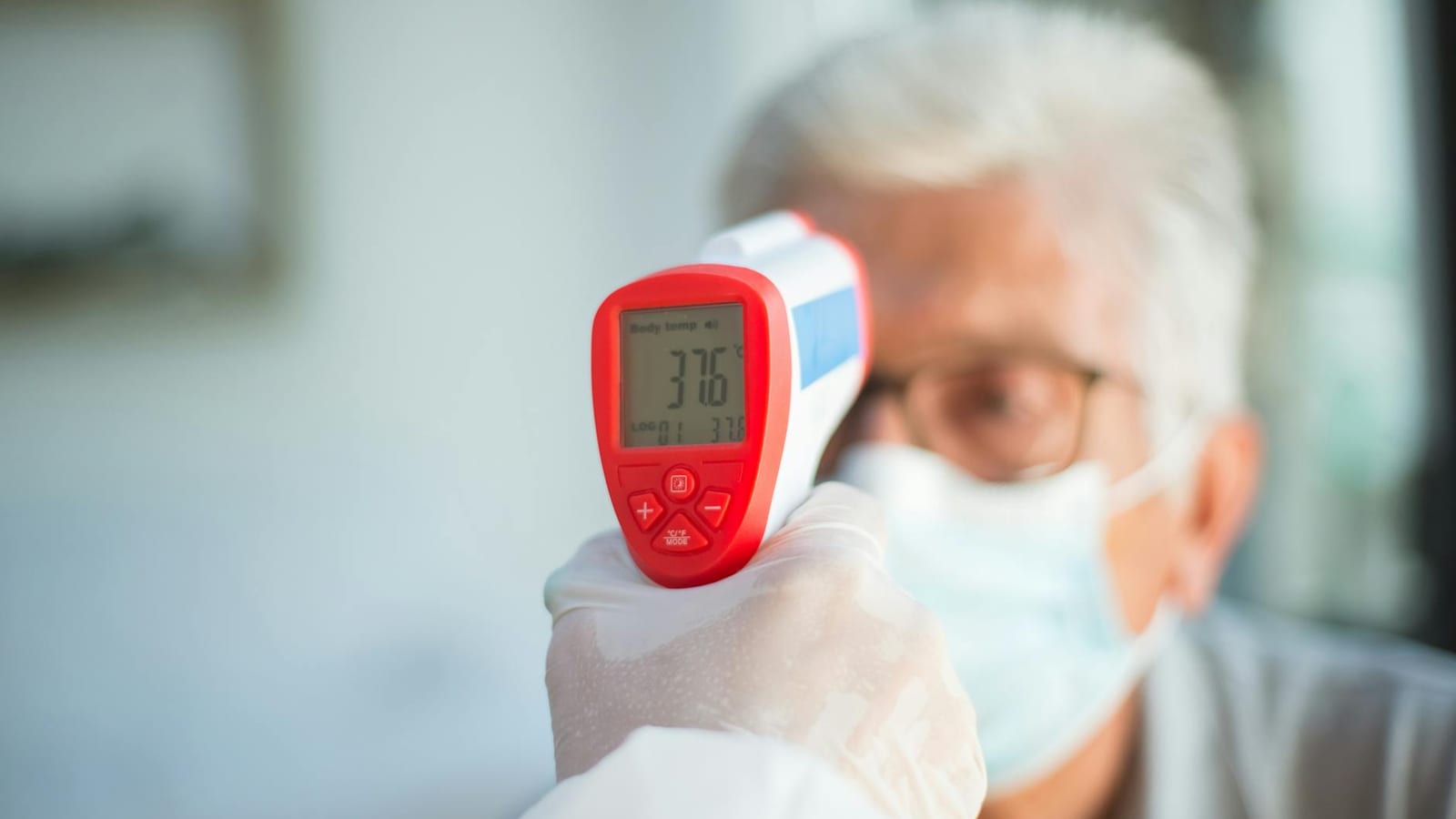
The United States said on Monday, May 18, that it will screen air passengers arriving from affected areas, after an American tested positive for the Ebola virus in the Democratic Republic of Congo. For Indian readers, this is not just another faraway health scare. It is a reminder that outbreaks travel through airports, work sites, mining towns, and weak health systems long before they become headlines.
The World Health Organization has declared the outbreak an international health emergency. The phrase sounds heavy, but the meaning is simple. The situation has become serious enough for countries to coordinate, watch borders, and prepare hospitals.
America tightens airport checks
The United States Centers for Disease Control and Prevention said it will start health checks for air travellers coming from affected zones. Washington will also temporarily restrict visas for foreign nationals who recently travelled through Uganda, Congo, or South Sudan.
The CDC said the immediate risk to the American public remains low. Still, it added that it may change public health steps as new information comes in.
That is usually how governments move during outbreaks. First comes screening. Then travel rules. Then the harder question arrives: how much restriction is enough without creating panic?
The American patient, according to the CDC, contracted the virus while working in Congo. The agency said the person developed symptoms over the weekend and tested positive late on Sunday. Officials are arranging a transfer to Germany for treatment.
The CDC also said it was working to bring back a small number of Americans directly affected by the outbreak. That tells us one thing clearly. This is no longer only a local Congolese health emergency.
Congo’s outbreak is moving fast
Congo’s health minister Samuel-Roger Kamba said 91 deaths had been linked to the latest rise in cases by Sunday. A later count cited by Africa CDC chief Jean Kaseya put the figure above 100 deaths, with 395 suspected cases.
Most infected people are between 20 and 39 years old. That age detail matters. These are often workers, parents, traders, drivers, nurses, and miners. When illness hits this group, it does not only fill hospital beds. It also knocks out household income.
The outbreak appears to be centred in Ituri, a troubled province in Congo’s north-east. The region borders Uganda and South Sudan. It also has gold mining activity, including informal mining sites where thousands of workers move in and out.
That movement makes disease control harder. A miner may sleep in one settlement, work in another, and travel to a trading town for supplies. A nurse may treat many patients before anyone realises Ebola is spreading.
Congo’s health ministry said the first confirmed case involved a nurse who died at a medical centre in Bunia. Officials believe the infection may trace back to late April in the Rwampara health zone. Several deaths were reported there, while the wider centre of the outbreak appears linked to Mongbwalu, a mining town.
Why Ebola scares governments
Ebola frightens health systems because it spreads through direct contact with bodily fluids. It can move through families, clinics, funerals, and caregiving networks. That is why nurses and family members often face high risk during early outbreaks.
This outbreak carries another worry. Officials say there is no vaccine or specific treatment for the strain driving the current spread. That changes the playbook. When a vaccine exists, authorities can ring-fence the virus around known contacts. Without one, speed becomes everything.
The basics then matter most. Find cases early. Isolate patients safely. Trace contacts. Protect health workers. Communicate clearly with local communities. None of this sounds glamorous, but it decides whether an outbreak stays contained.
There is also a trust problem. In parts of eastern Congo, years of conflict have weakened state authority. Armed groups operate in the region. Many people already live with fear, displacement, and suspicion of officials.
In such places, public health is not only about medicine. It is also about whether families believe health workers, whether patients report symptoms, and whether funerals can be handled safely without angering communities.
The India angle is clear
India does not have direct daily exposure to Congo on the scale of the United States or Europe. But that should not make New Delhi casual. Indian workers, traders, students, and professionals live across Africa. Indian companies also have interests in mining, energy, telecom, health care, and infrastructure.
For India, the first lesson is airport readiness. During Covid, Indians saw how quickly a disease can become a border, hospital, and household issue. Ebola does not spread like Covid through casual airborne contact, but it carries a much higher fear factor once cases appear.
The second lesson is about communication. Screening rules can quickly become rumours. Travellers from Africa may face stigma if governments do not speak carefully. India has a large African student community, and public messaging must avoid turning health vigilance into social suspicion.
The third lesson sits in diplomacy. The United States has formally withdrawn from the WHO under President Donald Trump this year. Yet the same outbreak now requires coordination across borders. That contradiction will not be lost on countries like India.
Global health cannot run on nationalism alone. Viruses do not wait for paperwork. A sick worker in a Congolese mining town can trigger decisions in Washington, Kampala, Berlin, and New Delhi within days.
India has often argued that global institutions need reform, not abandonment. This outbreak strengthens that case. The WHO may have flaws, but when disease crosses borders, countries still need a common alarm system.
Travel rules are only one layer
The American move will likely push other countries to review their own entry rules. Some may add temperature checks. Others may ask travellers about recent movement through affected districts. Airlines may also face pressure to watch routes more closely.
But border screening has limits. A person may travel before symptoms start. Ebola becomes more infectious after symptoms appear, but early warning still depends on honest reporting and good health surveillance.
That is why the real fight remains inside Congo. If local teams stop transmission in Ituri, the global alarm will ease. If the outbreak spreads into busier towns or across borders, the pressure on airports will rise.
Ordinary people usually pay the price for weak systems. A shopkeeper near a mining road loses customers when fear spreads. A health worker faces danger with limited gear. A family delays treatment because it worries about isolation. These are the human cracks where outbreaks grow.
For Indian readers, the message is plain. Ebola may be far from home today, but the systems that stop it are the same ones that protect us tomorrow: honest alerts, quick testing, trained health workers, and calm public messaging. The next few weeks in Congo will show whether the world has learnt that lesson well enough.