US charges Raúl Castro over 1996 aircraft shootdown
US prosecutors have charged Raúl Castro and Cuban military figures over the 1996 downing of two exile group aircraft that killed four.
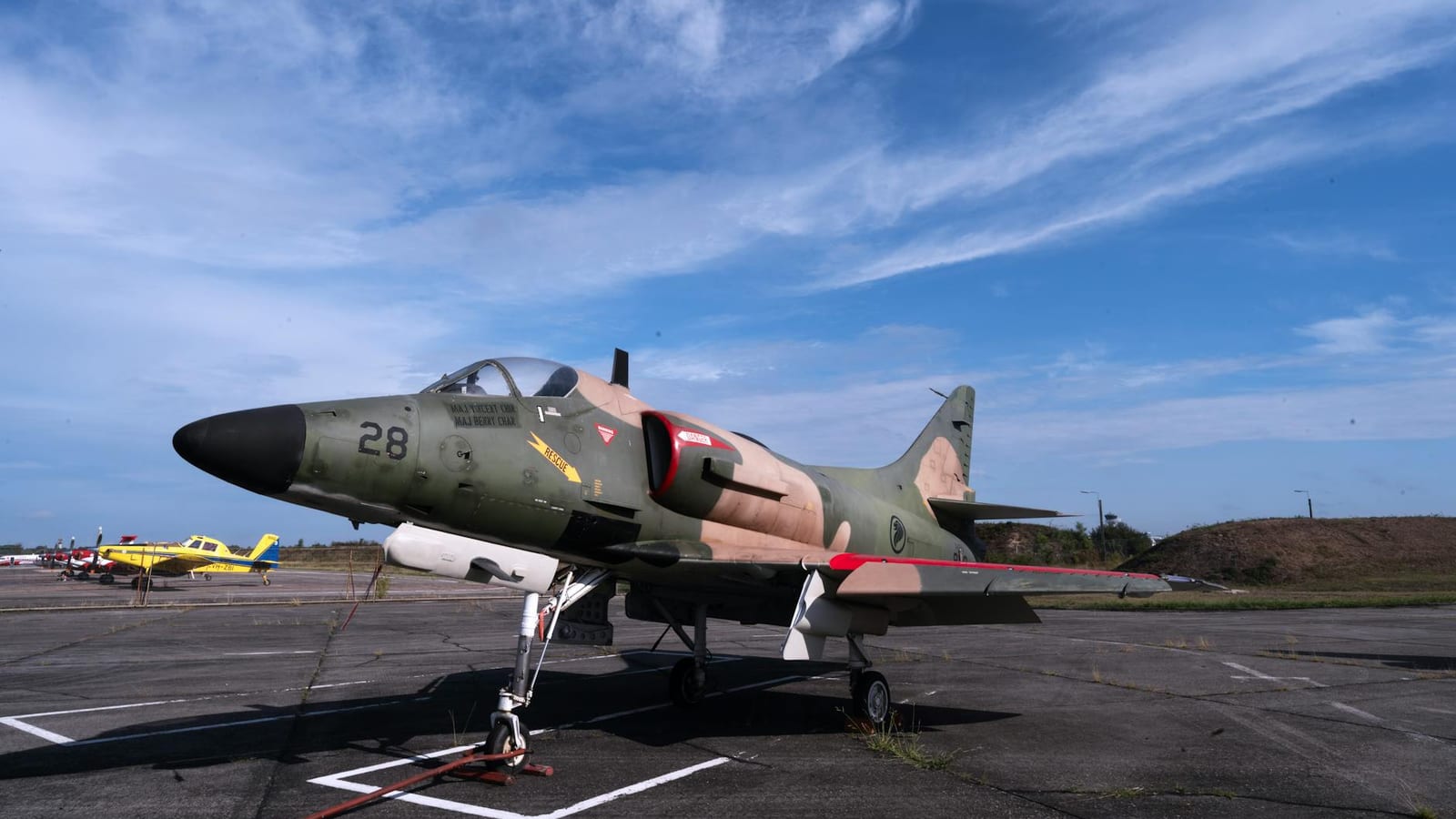
A 30-year-old shootdown has suddenly returned to the centre of American politics.
Raúl Castro, now 94, faces criminal charges in the United States over the 1996 downing of two small aircraft flown by the anti-Castro group Brothers to the Rescue. Four men died in that attack.
For Indians, this is not just a faraway Cuba story. It shows how Washington now uses courts, sanctions, fuel pressure, and diplomacy together. That playbook matters in a world where legal action can quickly become foreign policy.
Washington reopens a Cold War wound
The Department of Justice has charged Castro and five Cuban military figures in a federal court in south Florida.
The charges include murder, conspiracy to kill US citizens, and destruction of aircraft. Prosecutors said a grand jury had cleared the indictment in late April. Officials made it public on Wednesday, May 20.
The case goes back to February 24, 1996. Cuban military jets shot down two civilian aircraft operated by Brothers to the Rescue. The group was linked to Cuban exiles and opposed the Castro regime.
The four men killed were Armando Alejandre, Carlos Costa, Mario de la Peña, and Pablo Morales. US officials described them as unarmed civilians on humanitarian flights.
Cuba has long argued that the aircraft violated its airspace. Independent investigations by international bodies found the planes were hit over international waters.
That point matters. If the aircraft were outside Cuban territory, the attack looks less like border defence and more like a strike on civilians.
Miami sends a message
The announcement did not happen in a random courtroom corridor. US officials chose Miami, the emotional capital of Cuban exile politics.
The press conference took place at the Freedom Tower, a building deeply tied to Cuban migration to America. In the 1960s, thousands of Cuban refugees passed through that building after fleeing Fidel Castro’s government.
For Cuban-American families, this was theatre with a message. Washington wanted them to see memory, grief, and power in the same frame.
Acting US Attorney General Todd Blanche said Castro would face a US court, either voluntarily or otherwise. FBI deputy director Chris Raia said the passage of time would not protect anyone accused of harming US citizens.
That line will please many Cuban exiles in Florida. It will also alarm governments that see US courts as political tools.
President Donald Trump sharpened the message. He said America would not tolerate hostile military, intelligence, or terrorist activity so close to its shores.
Secretary of State Marco Rubio offered Cubans a different relationship with Washington. But he tied it to major economic changes and free multi-party elections.
That is the carrot and stick in plain English. Change your politics, and America may deal with you. Resist, and the pressure rises.
Havana calls it political
Cuba rejected the charges almost immediately.
President Miguel Díaz-Canel called the indictment a political act without legal basis. He said Washington was building a case to justify military aggression against Cuba.
That response will sound familiar to anyone who follows US relations with hostile states. First comes the accusation. Then come sanctions. Then comes talk of humanitarian concern. Sometimes, the military option enters the room.
Havana also attacked the Brothers to the Rescue group, calling it hostile and linked to terrorism. US officials gave the opposite picture. They described the men on the aircraft as civilians on rescue missions.
The truth, as always in old conflicts, sits inside decades of bitterness. Cuban exiles see a dictatorship that killed unarmed men. Havana sees a hostile neighbour using exile groups to harass the island.
But the legal question remains narrow. Did Cuban forces knowingly shoot down civilian aircraft outside Cuban airspace? US prosecutors say yes. Cuba says the case is fiction.
For ordinary Cubans, this legal fight comes at a brutal time. The island already faces deep shortages, blackouts, and economic collapse. US pressure on fuel supplies has made daily life harder.
When fuel runs out, politics becomes very real. Lights fail. Transport stops. Food supply chains slow down. Families do not debate doctrine when dinner becomes uncertain.
Why India should watch closely
India has old ties with Cuba. New Delhi and Havana both spent decades inside the Non-Aligned Movement. India has usually avoided treating Cuba as a simple villain in Washington’s story.
But this case is bigger than one island.
It shows how the US can revive old incidents and turn them into current diplomatic weapons. A 1996 attack has now become part of a 2026 pressure campaign.
That matters for countries like India, which deal with many powers at once. We buy oil, build defence ties, trade with rivals, and manage sanctions risk every year.
The US has already used secondary sanctions in other disputes. These are penalties on third countries or companies that help a targeted state. In simple terms, Washington says, “Deal with them, and you may lose access to us.”
That is why Indian refiners, banks, shipping firms, and exporters watch such moves carefully. A sanctions decision in Washington can affect insurance, payments, freight, and fuel prices in Mumbai or Jamnagar.
There is also a sharper geopolitical signal. America is again focusing on its near abroad, from Venezuela to Cuba. It wants unfriendly regimes near its borders weakened, contained, or reshaped.
India understands that instinct. Great powers dislike hostile pressure close to home. The difference is that Washington often wraps that instinct in courts, indictments, and human rights language.
This does not mean the dead men from 1996 should be forgotten. Families deserve answers. States should not shoot civilians out of the sky and expect history to move on.
But justice and power often travel together. The Castro indictment is both a legal case and a political instrument. Pretending it is only one of those things would be naive.
The next question is whether Washington wants a trial, a negotiated transition, or pressure strong enough to force change in Havana. Trump has left room for a deal, even while his officials talk tough.
For Indian readers, the lesson is simple. In today’s world, old files do not stay buried. They can return as indictments, sanctions, and diplomatic bargaining chips. And when big powers move that way, ordinary people usually feel it first, through prices, shortages, jobs, and fear about what comes next.