Ukraine Raises Soldier Pay to Boost Army Recruitment
Ukraine is raising base soldier pay and offering shorter contracts as its army tries to refill ranks after years of war with Russia and recruitment strain.
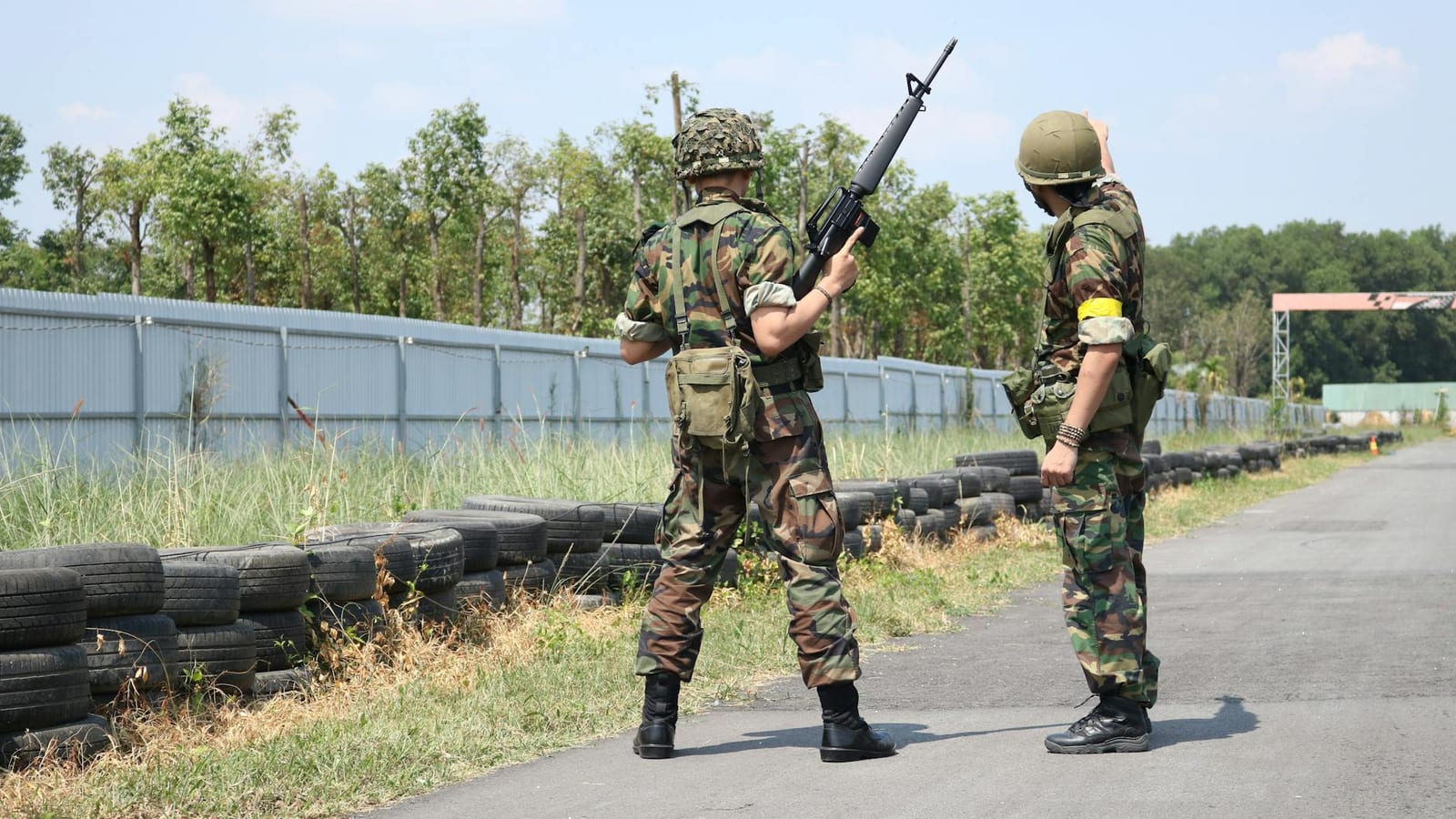
A soldier’s pay packet is rarely the headline in a war. But in Ukraine today, it tells the story of exhaustion, fear, and a country trying to keep enough people in uniform.
Nearly four years after Russia’s full-scale invasion began, Ukraine is trying a simple idea. Pay soldiers more, offer shorter contracts, and make service feel less like a one-way road.
For India, this is not a distant European war update. It is a reminder of how long wars drain people, budgets, and diplomacy. It also shows why New Delhi keeps watching Russia, China, and the West with unusual care.
Ukraine tries to refill ranks
Oleksandr Syrsky, Ukraine’s military chief, has outlined changes aimed at bringing more citizens into the army.
The minimum monthly pay for soldiers is expected to rise to 30,000 hryvnias. That is about 585 euros, or a little over Rs 52,000.
For a European war, that figure may not sound dramatic. For a Ukrainian family living with blackouts, shelling, and job losses, it matters.
Syrsky also spoke of extra payments for certain categories of troops. The message is clear. Ukraine knows courage alone cannot sustain an army forever.
The more interesting move is the planned short-term contract system. Ukraine wants six to nine-month contracts for soldiers who left service earlier on health grounds, but now want to return.
That tells us two things at once. Ukraine needs trained people badly. It also knows many citizens fear open-ended service.
A limited contract can make the decision less frightening. It gives a former soldier a date on the calendar, not just a uniform and uncertainty.
The war’s human bill
The numbers remain brutal. The UN human rights office says 15,850 civilians have died in Ukraine since February 2022.
That includes 791 children. Another 44,809 people have been wounded, including 2,752 children, UN official Kayoko Gotoh said at a Security Council meeting.
The UN has also warned that the real toll is likely higher. In wars, bodies are missed, records break down, and occupied areas become statistical blind spots.
April was especially grim. At least 238 civilians were killed and 1,404 injured that month, the UN said.
That was the highest monthly civilian toll since July 2025. It came as Russia stepped up large-scale air attacks across Ukraine.
On May 13 and 14, Russia launched more than 1,500 drones and dozens of missiles, Ukrainian and UN-linked accounts said.
In Kyiv, two sisters, Vira and Liubava Yakovlieva, were buried after a Russian missile destroyed their apartment building.
One was 12. The other was 17. Their mother buried both daughters at St Michael’s Golden-Domed Monastery.
That one funeral explains the war better than any map. It also explains why Ukraine’s military recruitment problem cannot be reduced to numbers.
Every new soldier is also someone’s son, daughter, parent, spouse, or neighbour. Every contract carries a family’s private calculation.
China’s shadow grows longer
While Ukraine looks for more troops, Vladimir Putin has gone to Beijing for a two-day state visit.
The Russian president is meeting Xi Jinping to display a close partnership at a time when Moscow faces Western pressure.
Russia says the leaders will discuss bilateral ties and major global issues. Around 40 agreements are expected during the visit.
They are also expected to issue a statement on a multipolar world. That phrase matters in Delhi too.
India has long argued for a world where power does not sit in one capital. But New Delhi’s version is not the same as Beijing’s or Moscow’s.
For India, multipolarity means strategic space. For China, it often means a larger Chinese say in Asia and beyond.
That is why reports about Chinese training for Russian soldiers deserve attention here.
European intelligence assessments allege that China quietly trained about 200 Russian troops on its soil. The training reportedly covered drones, electronic warfare, military aviation, and armoured infantry.
Some of those soldiers later fought in Ukraine, including in Crimea and Zaporizhzhia, the assessments suggest.
Beijing has rejected the claims. China says it remains neutral and wants peace talks.
India will read that carefully. China may speak the language of neutrality, but its strategic comfort with Russia is no secret.
For New Delhi, this is a tightrope. Russia remains a key defence partner. China remains India’s biggest strategic challenge on the border.
So when Moscow and Beijing stand together, India does not panic. But it does take notes.
Front lines keep shifting
Ukraine has also claimed a small but important battlefield gain.
The Ukrainian military says it retook Stepnohirsk, a village in the Zaporizhzhia region. The operation involved the Artan special unit, linked to Ukrainian military intelligence.
Stepnohirsk is not famous outside war maps. But it matters because of where it sits.
The village is about 20 kilometres from the regional city of Zaporizhzhia. Its heights can help control roads, watch logistics routes with drones, and threaten nearby areas.
Ukrainian intelligence says Russian forces may try to return. That means the battle is not finished.
This is the pattern of the war now. Villages change hands. Drone strikes hit roads and homes. Air defence units work through the night.
A Ukrainian drone also entered Estonian airspace after reportedly being pushed off course by Russian jamming systems.
An NATO fighter shot it down. Ukraine’s foreign ministry apologised to Estonia and said officials would work together to prevent repeat incidents.
That episode matters because it shows how easily this war can brush NATO territory. Not every dangerous moment comes from intention. Sometimes confusion is enough.
For India, that risk is central. A wider Europe war would hit energy prices, food markets, shipping, and defence supply chains.
Indian households already know what global shocks do. A war far away can raise cooking oil prices, fuel bills, and loan anxiety at home.
Young professionals paying EMIs may never follow Zaporizhzhia on a map. But they feel the ripple when crude oil jumps or fertiliser costs rise.
That is why Ukraine’s new pay plan is more than a military reform. It is a signal that the war has entered a harder phase.
Kyiv is trying to keep its army staffed without breaking public trust. Moscow is leaning deeper into its China partnership. Beijing is testing how far it can support Russia while claiming balance.
India will continue to avoid easy slogans on this war. That may annoy some capitals, but it reflects the world as it is. For ordinary Indians, the lesson is simpler. Long wars do not stay local. They travel through markets, alliances, and monthly budgets, long after the headlines move on.