Trump-Xi Beijing banquet puts trade progress under Taiwan cloud
Trump and Xi signalled movement on trade at a Beijing banquet, but China's warning on Taiwan showed tensions still frame the fragile US-China thaw.
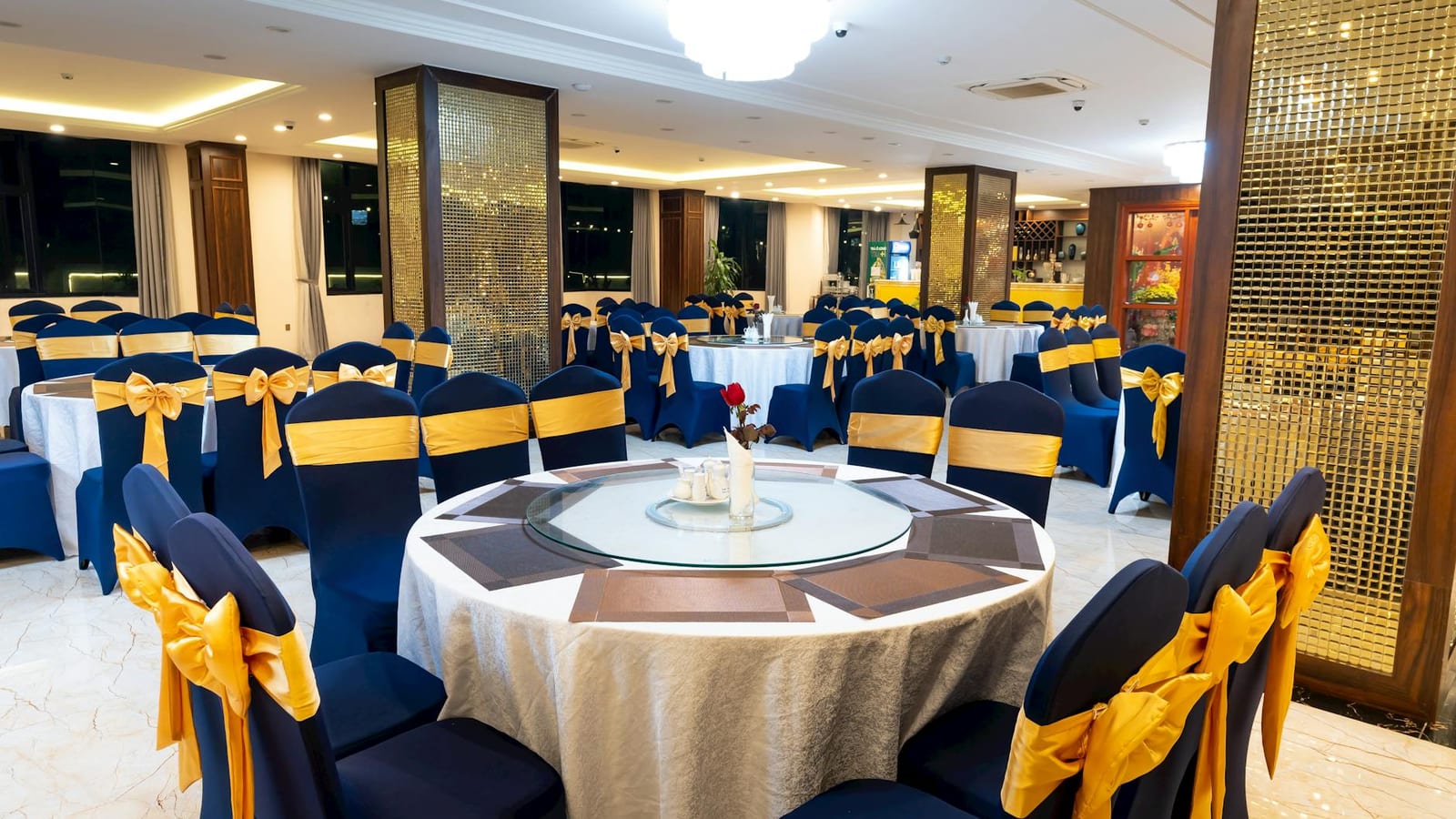
A dinner table in Beijing can sometimes say more than a press conference.
On Thursday, May 14, 2026, Donald Trump and Xi Jinping sat down for a banquet in Beijing. There were smiles, toasts, and carefully chosen words. But behind the polite theatre sat two hard issues: trade and Taiwan.
Trump called his talks with Xi “extremely positive and productive”. Xi also suggested that trade discussions were moving ahead. Then came the warning. If Washington mishandles Taiwan, he said, the relationship could enter dangerous territory.
Beijing mixes ceremony with warning
China knows how to stage power. A banquet is never just a meal in Beijing. It is a signal, especially when the guest is an American president.
This one came after talks on trade and the economy. Trump used warm language. He wanted the world to see movement. Markets, companies, and governments listen closely when Washington and Beijing sound less hostile.
Xi took a more layered line. He acknowledged progress on trade, but tied the mood to Taiwan. In plain English, China was saying this: business can improve, but only if America respects Beijing’s red lines.
The Chinese word used for possible “conflict” did not clearly mean military conflict. That matters. Beijing often uses elastic language. It leaves room for pressure, warning, and diplomacy at the same time.
For India, this is not distant theatre. Any thaw or flare-up between the United States and China changes the room in which New Delhi operates.
Trade talks carry global weight
When Trump says trade talks are going well, the first audience is not only China. It is American businesses, Wall Street, voters, and foreign capitals.
US-China trade tensions affect almost every major economy. Tariffs raise costs. Export curbs slow supply chains. Technology bans force companies to rethink factories, chips, software, and raw materials.
Indian businesses know this story well. A small manufacturer in Noida or Coimbatore may not trade directly with China. Yet the price of components, shipping, and machinery can still move because of US-China friction.
If Washington and Beijing ease some trade pressure, global markets may breathe easier. But it could also reduce the urgency for companies to move supply chains out of China.
That is where India must pay attention. Over the past few years, India has tried to attract companies looking for a China-plus-one plan. That means firms keep China, but add another production base.
A calmer US-China relationship may slow that shift. A tense relationship may speed it up. Either way, India cannot depend on geopolitical luck. It has to win factories on power, ports, skills, taxes, and speed.
Trump’s tone may comfort markets for a day. But policy, not banquet language, will decide what follows.
Taiwan remains the hard line
Taiwan sits at the centre of the biggest flashpoint in Asia. China sees it as part of its territory. Taiwan runs itself with its own government. The United States remains Taiwan’s most important security partner.
Xi’s warning was aimed at Washington. He made clear that trade progress cannot fully separate from Taiwan. This is how China often negotiates with big powers. It links economics, security, and political respect.
Trump has not yet laid out his next line on Taiwan. US Treasury Secretary Scott Bessent said the American president would speak more on the issue in the coming days.
That matters because markets hate uncertainty, but militaries hate mixed signals even more. If Washington sounds too casual, Beijing may test boundaries. If Washington sounds too aggressive, tensions may rise quickly.
India watches Taiwan through three lenses. First, the security lens. A crisis in the Taiwan Strait would pull in the US Navy, China’s military, Japan, and perhaps others.
Second, the economic lens. Taiwan is central to advanced semiconductors. These are the chips that power phones, cars, data centres, defence systems, and AI tools.
Third, the China lens. Any major US-China crisis gives Beijing a reason to harden its posture elsewhere. India has its own unresolved border tensions with China. New Delhi cannot treat Taiwan as someone else’s problem.
This does not mean India will loudly take sides. Indian diplomacy usually avoids dramatic public language on Taiwan. But quiet caution is not the same as indifference.
India must read the subtext
The tempting reading is simple. Trump and Xi met, smiled, and talked trade. Maybe the two largest economies are finding a calmer path.
The deeper reading is more useful. China wants economic relief without giving ground on sovereignty claims. The United States wants trade progress without appearing weak on security. Both leaders want a win at home.
That leaves countries like India with a familiar task. Build ties with Washington, manage China, protect trade interests, and avoid becoming a pawn in someone else’s bargain.
New Delhi has gained from closer US ties. Defence cooperation has grown. Technology partnerships have deepened. The Quad has given India a larger Indo-Pacific role.
At the same time, India cannot outsource its China policy to Washington. American presidents change tone quickly. Trump, in particular, often mixes pressure with personal diplomacy.
So India needs steadiness. It must keep strengthening domestic manufacturing. It must protect critical technology supply chains. It must expand trade with countries that want alternatives to China.
For ordinary Indians, this may sound remote. But it touches prices, jobs, gadgets, loans, and energy costs. When big powers fight over tariffs, a family buying a phone may pay more. When supply chains shift, a young engineer may find work in a new factory.
The Beijing banquet gave the world a photo of warmth. It also gave a reminder that Asia’s biggest risks sit just below the surface. India’s job is to enjoy neither panic nor comfort, but prepare for both.