Pentagon Pauses Poland Brigade Plan Amid NATO Anxiety
Washington has halted a planned US brigade deployment to Poland, raising NATO concerns after Trump ordered troop cuts in Germany.
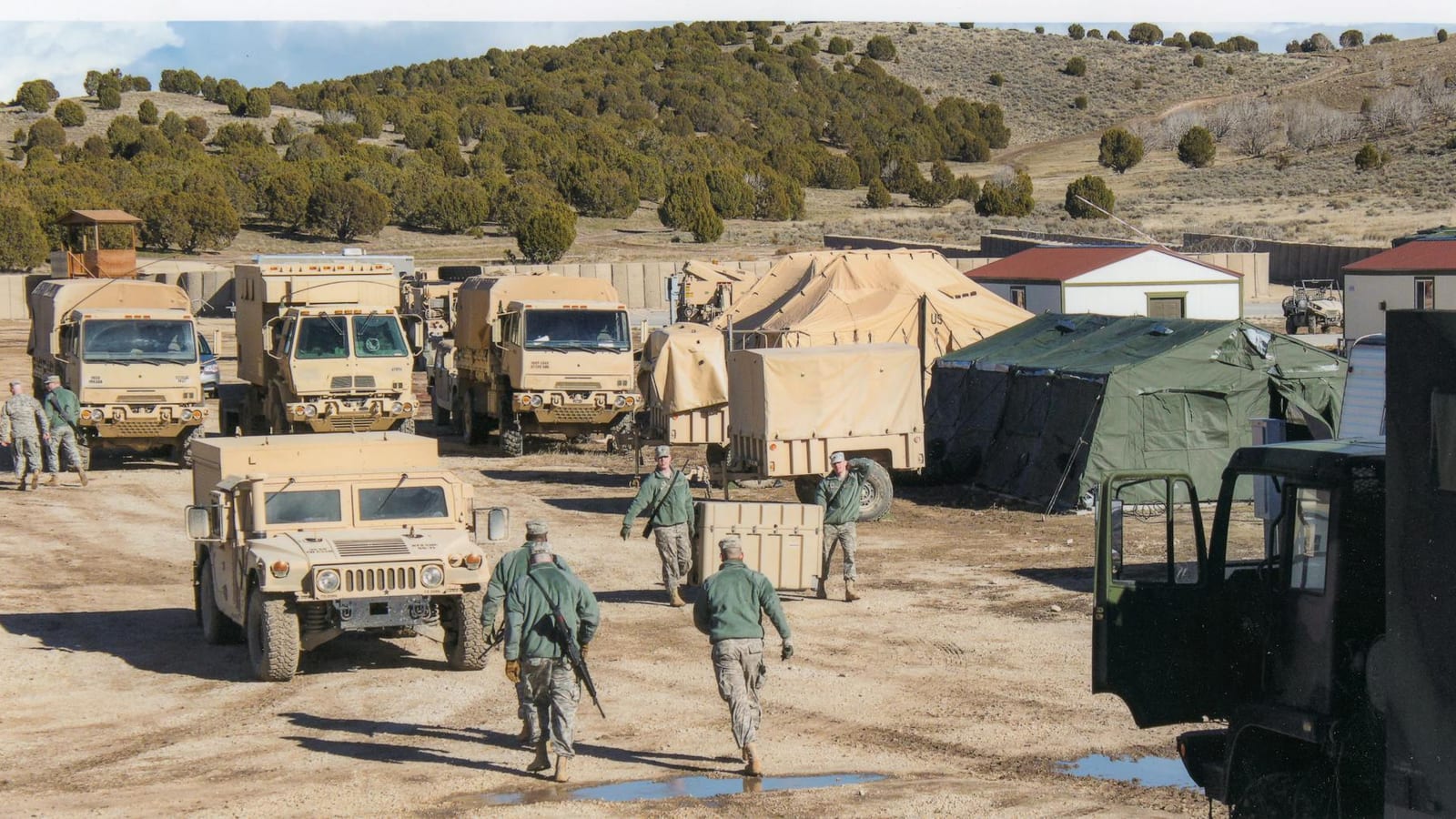
Four thousand American soldiers were packing for Europe. Then Washington hit pause.
The Pentagon has stopped a planned nine-month deployment of a US combat brigade to Poland. For Europe, this is not a routine military reshuffle. It lands just after President Donald Trump ordered the withdrawal of about 5,000 US troops from Germany.
For India, the story is simple. When America starts moving troops around, allies everywhere listen harder.
Poland gets a nervous message
Acting US Army Chief of Staff Christopher LaNeve confirmed the decision before a House armed services panel. He said it made the most sense not to place the brigade in that theatre.
That answer did not calm many people in Washington. Senior Democrats and Republicans criticised the move. They also said Congress had not been properly informed or consulted.
The planned deployment formed part of Operation Atlantic Resolve. The US began that programme after Russia took Crimea in 2014. Its purpose was clear, reassure NATO’s eastern members that America would stand close to them.
Poland already hosts nearly 10,000 US troops. After the Germany pullout, Warsaw had signalled that it was ready to receive more. Now it has received a mixed signal instead.
Europe watches the Trump doctrine
Trump has long argued that Europe must pay more for its own defence. That argument has political appeal in the US. Many American voters ask why their tax money should guard wealthy European nations.
But allies hear something else. They hear uncertainty.
Polish Prime Minister Donald Tusk said he had received assurances that Poland’s security would not suffer. A US official also suggested troops meant for Poland could come from another location.
Still, timing matters. Europe faces a long Russian threat. Ukraine remains central to the continent’s security debate. Small changes in US troop posture can carry a large political message.
The practical impact may be manageable. The diplomatic signal is harder to brush aside. If Washington can cancel one planned brigade, other plans may also feel less fixed.
China talks shadow the troop move
This decision came as Trump returned from a high-profile visit to China. In Beijing, he and President Xi Jinping spoke warmly in public. Trump said US-China ties could become better than ever.
Xi also warned Trump on Taiwan. China claims the island as its own. Taiwan runs its own democratic government. The US does not formally recognise Taiwan as a separate country, but it sells weapons to Taipei.
Trump said he had not yet decided on fresh arms sales to Taiwan. He said he would first speak to the person leading Taiwan, meaning President Lai Ching-te.
That matters because American power now faces two theatres. Europe wants reassurance against Russia. Asia wants clarity against China. Washington cannot pretend these pressures sit in separate boxes.
If the US shifts attention from Europe to Asia, NATO allies worry. If it pulls back from Asia, Taiwan, Japan, and others worry. This is the hard arithmetic of power.
Why India should care
India does not depend on American troops for its security. That is an important difference. New Delhi has built its foreign policy around strategic autonomy, not formal alliances.
But India still lives in the same strategic weather. If the US looks unpredictable in Europe, Asian partners will study the pattern closely.
India works with the US through the Quad, defence technology deals, military exercises, and supply chain plans. None of that equals an alliance. Yet each part depends on trust.
For Indian policymakers, the lesson is old but useful. Never outsource core security. Partnerships help, but national capacity matters more.
That applies beyond defence. If China sees America stretched, it may test limits elsewhere. Taiwan is one flashpoint. The South China Sea is another. The India-China border remains a third, closer to home.
Indian businesses also have a stake. Any clash around Taiwan can hit chips, shipping, electronics, and insurance costs. A conflict in Europe can push energy prices higher. A messy Iran policy can affect crude flows.
For a small exporter in Surat or a startup importing components in Bengaluru, geopolitics does not stay on television. It enters freight bills, delivery dates, and loan costs.
Washington’s bargain looks unstable
Trump is also considering easing sanctions on Chinese companies that buy Iranian oil. He said the matter came up during talks with Xi.
That is a big signal. The US Treasury had recently targeted Chinese firms over trade with Iran. Chinese refiners remain major buyers of Iranian crude.
If Washington relaxes pressure, Beijing gains breathing room. Iran gains money. Energy markets may calm for a while. But US allies will ask what price China paid in return.
At the same time, Trump wants China to buy more American farm goods. He also wants Beijing to curb chemicals used to make fentanyl, the deadly synthetic drug hurting American communities.
This is classic Trump deal-making. Security, trade, drugs, oil, and Taiwan all sit on the same table.
The risk is that allies cannot tell which commitment will survive the next bargain. Poland may get assurances today. Taiwan may get weapons tomorrow. China may get sanctions relief next week.
That kind of diplomacy can produce quick deals. It can also leave partners checking their phones every morning.
For ordinary Indians, the big takeaway is not that America has abandoned Europe. It has not. The takeaway is sharper. The US is becoming more transactional, and every country must read the fine print.
India has done well when it has kept its balance. It buys Russian oil, deepens US defence ties, talks to Europe, and manages a tense border with China. That balancing act will only get harder.
The stopped Poland deployment is one military order. But it points to a larger world. Power is moving, promises are being tested, and countries that prepare early will pay less later.