Pentagon halts planned US troop deployment to Poland
Pentagon pauses a planned 4,000-soldier deployment to Poland, raising fresh concerns over America’s military posture in eastern Europe.
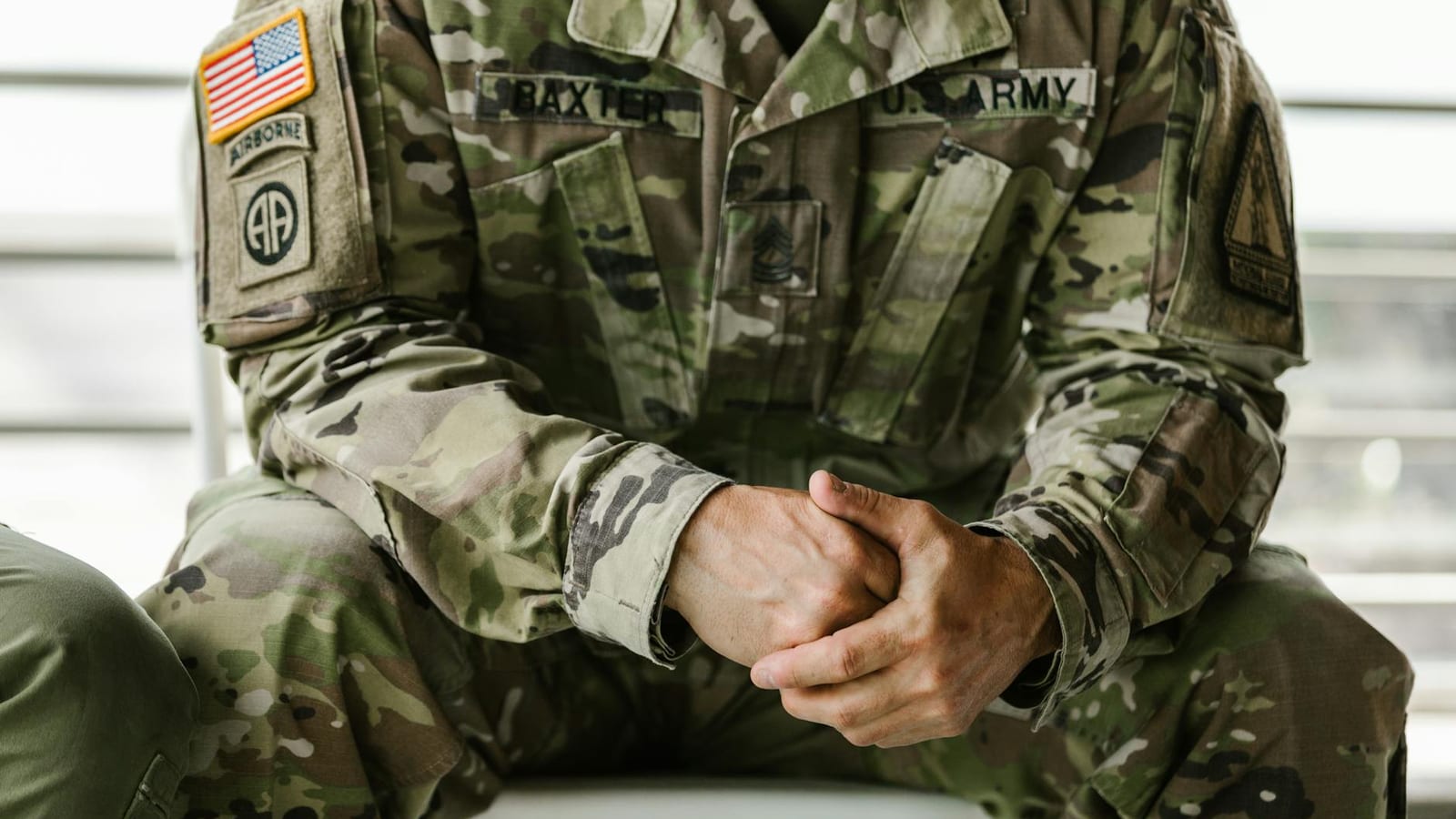
Four thousand soldiers can sound like a small number in America’s giant military machine. For Poland, sitting next to a war-scarred Ukraine, it feels much larger.
The Pentagon has stopped a planned move of around 4,000 US troops to Poland. The brigade was meant to serve a nine-month deployment under Operation Atlantic Resolve.
That programme began after Russia took Crimea in 2014. Its message was simple: America would stand near Europe’s eastern front.
Poland gets an awkward signal
Acting US Army chief Christopher LaNeve confirmed the decision before the House Armed Services Committee. He said it made the most sense not to station the brigade in that theatre.
He did not offer a detailed public explanation. That silence has done half the political damage.
Senior Democrats and Republicans criticised the move. They said Congress had not been properly informed or consulted, as required.
The timing matters. Earlier this month, US Defense Secretary Pete Hegseth ordered around 5,000 American troops to leave Germany.
President Donald Trump has also suggested that deeper cuts in Europe may follow. That has revived an old European fear: America may no longer see Europe as its first security priority.
For Poland, this is not abstract. Nearly 10,000 US troops are already stationed there. Warsaw had hoped to receive more, not fewer.
Polish Prime Minister Donald Tusk said he had received assurances that Poland’s security would not suffer. That is the diplomatic line. The strategic question remains open.
Europe worries about American mood
The blocked deployment was part of NATO reassurance after Russia’s aggression in Ukraine. These rotations tell smaller allies that Washington is watching.
When those plans change suddenly, allies start reading the tea leaves. They ask whether this is logistics, politics, or a larger shift.
Trump has long argued that European countries must spend more on their own defence. Many in Washington, across party lines, also want Europe to carry a bigger bill.
That part is not unreasonable. Rich European countries cannot expect endless American protection while debating defence budgets like municipal spending.
But abrupt troop decisions carry another message. They tell allies that US commitments can move with domestic politics.
That worries countries closest to Russia. Poland, the Baltic states, and others have spent years preparing for exactly this uncertainty.
For ordinary Europeans, this means higher defence spending and harder choices. Money for tanks does not come from the clouds. It competes with schools, hospitals, railways, and pensions.
China watches the same playbook
The Poland decision landed during Trump’s China visit, where he met President Xi Jinping in Beijing. The two leaders spoke warmly in public.
Xi called for stable ties and managed competition. Trump said US-China relations could become better than ever.
Yet the hardest issue surfaced quickly: Taiwan. Xi warned that mishandling Taiwan could push both powers towards conflict.
Trump said he had not decided on further weapons sales to Taiwan. He added that he would speak to Taiwan’s current leader before deciding.
For India, this is where the story becomes very real. Europe, Taiwan, and the Indian Ocean are not separate files anymore.
If America reduces pressure in Europe, Russia gains breathing room. If Washington softens too much on China, Beijing gains confidence in Asia.
India has to watch both theatres at once. A weaker American posture in Europe may push Europe to depend more on its own defence industry.
That could help India in the long run. New defence partnerships may open beyond Washington and Moscow.
But a more transactional America also makes planning harder. New Delhi cannot build national security on another country’s election cycle.
The India angle is plain
India has dealt with this American pattern for decades. Washington can be deeply engaged one year and distracted the next.
That is why India talks to Washington, Moscow, Paris, Tokyo, and Canberra at the same time. It may look untidy. It is often practical.
The Poland troop decision reinforces one lesson. India needs strong partnerships, but not strategic dependence.
For Indian businesses, the story also has an economic edge. A nervous Europe spends more on security and less on growth.
That can affect exports, technology deals, and investment flows. Europe is a major market for Indian companies, from IT to pharmaceuticals.
If US-China tensions rise over Taiwan, the impact could be sharper. Taiwan sits at the heart of global chip supply.
A crisis there would hit smartphones, cars, data centres, and defence electronics. Indian consumers would feel it through prices and delays.
At the same time, companies may speed up supply chain shifts from China. India wants to benefit from that movement.
But investors do not move factories only because leaders give speeches. They look for power, ports, skills, policy stability, and speed.
This is where geopolitics meets the shop floor. A factory owner in Pune or Coimbatore cannot plan exports amid constant global shocks.
Trump’s wider balancing act
Trump also said he may ease sanctions on Chinese firms that buy Iranian oil. He said the issue came up in talks with Xi.
That matters for India too. Iranian oil once played a bigger role in India’s energy basket.
US sanctions pushed New Delhi away from Tehran. If Washington relaxes pressure for China, India will ask why the same flexibility never came easily to others.
This is the blunt truth of great-power politics. Rules often bend when the biggest players sit across the table.
The US wants China to buy more American farm products. It also wants Beijing to curb chemicals linked to fentanyl entering America.
China wants fewer economic restrictions and less pressure over Taiwan. Both sides are bargaining across many files at once.
Europe is one file. Taiwan is another. Iran is another. Trade sits across all three.
India must read the full board, not one square. That is what mature foreign policy demands.
The stopped Poland deployment may yet get replaced by troops from another location. US officials have suggested that possibility.
But the doubt itself has already travelled. Allies now know that military plans can shift quickly under political pressure.
For ordinary Indians, the lesson is not distant. Fuel prices, electronics, exports, defence deals, and jobs all move with these decisions.
A brigade halted in Poland can ripple into Asia. That is the uncomfortable shape of today’s world. India cannot control it, but it can prepare better for it.