Kevin Warsh wins Senate vote to lead Fed as India watches
Kevin Warsh’s confirmation as Fed chair sharpens questions over rate policy, central bank independence and spillovers for Indian markets and rupee.
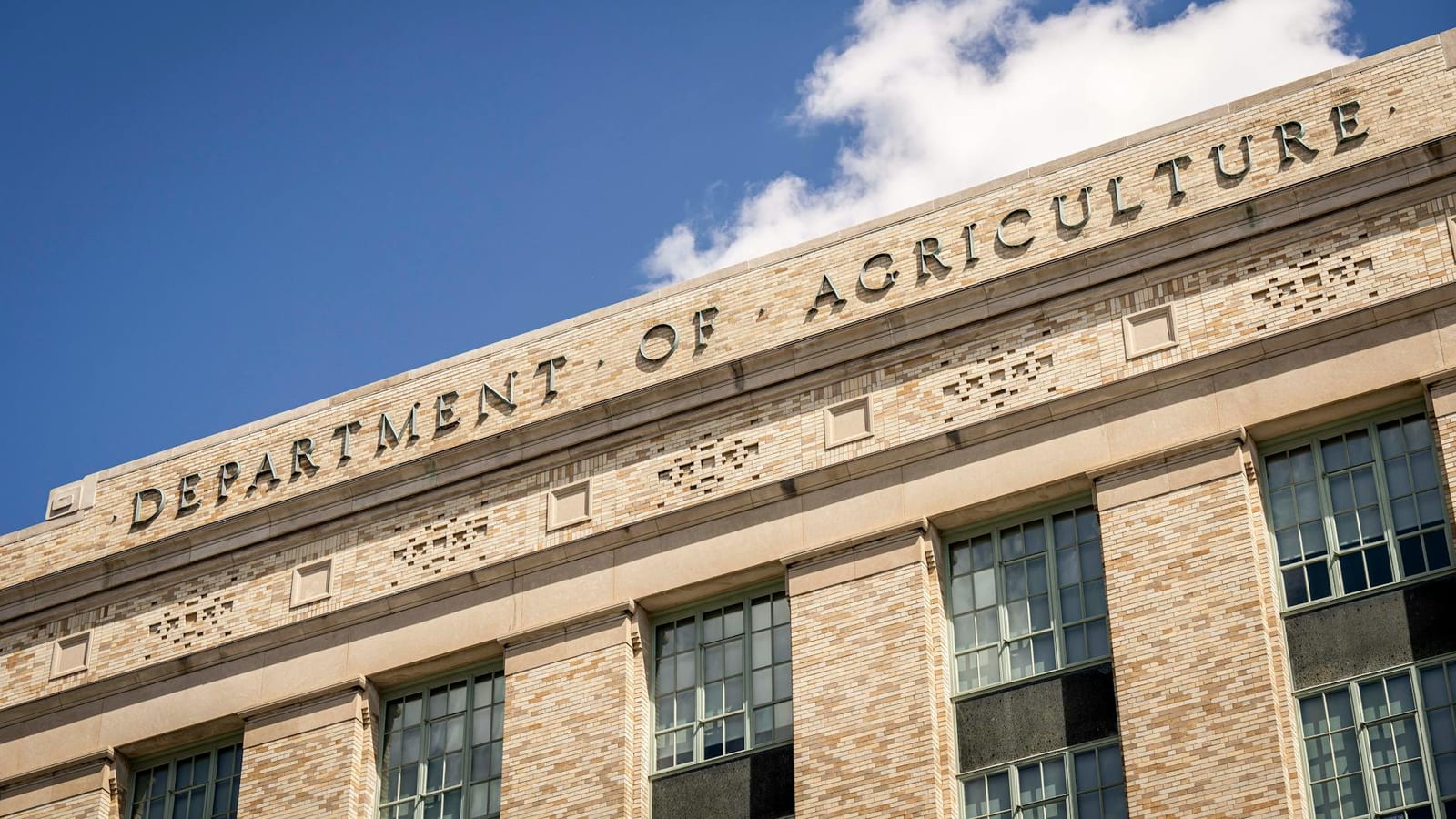
America’s central bank just got a new boss by the narrowest of margins, and markets heard the message clearly.
The US Senate has confirmed Kevin Warsh as the next chair of the Federal Reserve, by 54 votes to 45. For a job usually wrapped in calm ceremony, that is a bruising number.
For India, this is not just Washington drama. When the Fed coughs, Indian loans, markets, exports, and the rupee often catch a chill.
Warsh enters a tense Fed
Warsh is not new to the system. He served earlier as a Fed governor and knows the machinery of American money policy.
But his return comes in a very different political climate. Donald Trump has repeatedly pushed for lower interest rates and attacked outgoing Fed chair Jerome Powell.
That matters because the Fed’s real strength lies in its distance from the White House. It sets interest rates based on inflation and jobs, not election calendars.
Democratic senators warned that Trump’s pressure could weaken that independence. Republican senators called Warsh experienced and fit for the job.
The Senate banking committee had already shown the divide clearly. All 13 Republicans backed Warsh there. All 11 Democrats opposed him.
That split tells us something bigger than one appointment. America’s central bank has become another battlefield in its political war.
For Indian investors, the question is simple. Will the Fed act like a referee, or look like a player wearing team colours?
Why India should care
The Fed decides US interest rates. That sounds far away from an EMI in Pune or a small exporter in Tiruppur.
It is not.
When US rates stay high, global money often moves towards dollar assets. Investors like the safety and returns of American bonds.
That can put pressure on the rupee. It can also pull foreign money out of Indian stocks and bonds.
When US rates fall, the opposite can happen. Money may look for better returns in emerging markets, including India.
So Warsh’s first signals will matter to Dalal Street, Indian startups, and any company borrowing in dollars.
A weaker rupee can hurt importers. India buys crude oil, electronics parts, and machinery in foreign currency.
If the dollar gets stronger, these imports become costlier. That can feed into fuel prices, transport costs, and household budgets.
This is why central banks watch each other like hawks. The RBI does not copy the Fed, but it cannot ignore it either.
Governor-level decisions in Washington often become boardroom calculations in Mumbai and Bengaluru within hours.
Inflation is back in focus
Warsh takes charge as US inflation is heating up again. The US Labor Department said consumer prices rose 3.8 percent in April from a year earlier.
Energy prices have climbed because of the Iran conflict. That has already pushed inflation higher for two straight months.
Core inflation also rose to 2.8 percent. Core inflation removes food and energy prices because they move sharply.
Central bankers watch this number closely. It shows whether price pressure has spread into the wider economy.
Trump has said the US has the Iran situation under control. He also played down tensions with China before his Beijing visit.
But the market rarely relaxes because a president sounds confident. Oil traders look at shipping lanes, sanctions, and supply risks.
China remains the biggest buyer of Iranian oil. Washington has also sanctioned Chinese firms over trade with Iran.
For India, the energy angle is direct. India imports most of the oil it uses.
If conflict keeps crude prices high, Indian inflation can become sticky. Petrol, diesel, fertiliser, airfares, and freight all feel the pressure.
That leaves the RBI with a familiar headache. Support growth too much, and prices may rise. Fight inflation too hard, and credit becomes costly.
Tariffs add another headache
The Trump administration is also fighting on trade. A US appeals court temporarily restored global 10 percent tariffs for some plaintiffs.
The case follows earlier court battles over Trump’s tariff powers. In February, the US Supreme Court struck down several tariffs imposed under emergency powers.
The US government has started refunding more than $35.5 billion to importers who won tariff claims.
That figure is not small change. It covers more than eight million import transactions.
For Indian exporters, this tariff chaos is a warning. The US remains a prized market for textiles, pharma, engineering goods, jewellery, and IT-linked services.
But policy uncertainty changes pricing. A buyer in America may delay orders if tariffs keep shifting in court.
A manufacturer in Gujarat or Tamil Nadu cannot plan smoothly when border taxes change with every ruling.
Trade wars also hurt global demand. If American companies pay more to import goods, consumers may pay more at stores.
That can reduce spending. Lower spending in the US can hit exporters across Asia, including India.
Trump’s visit to Beijing adds another layer. He is expected to discuss trade, Iran, and tariff tensions with Chinese President Xi Jinping.
For India, US-China friction has mixed effects. Some supply chains may move out of China. India can gain from that.
But a messy global trade fight can also slow everyone down. India wins only if it stays steady, competitive, and quick.
Washington’s spending choices widen
The economic picture does not stop with rates and tariffs. The Congressional Budget Office has estimated Trump’s Golden Dome missile shield could cost $1.2 trillion over 20 years.
That is far above an earlier Pentagon estimate of $185 billion. The proposed system includes thousands of satellites and ground-based defences.
The plan aims to protect the US from missile attacks, including from countries like North Korea. The CBO warned it may still struggle against a large Russian or Chinese attack.
This matters because America is already carrying large public debt. Big defence spending can reshape budget choices.
If Washington spends more on defence, it may borrow more, tax more, or cut elsewhere. Each path affects global markets.
The Trump administration is also tightening health spending in Democratic-run states. Medicare and Medicaid chief Mehmet Oz said new federal funds for hospices in California would pause over alleged fraud.
Vice President J. D. Vance said $1.3 billion in planned Medicaid payments to California would be held back.
This domestic fight may look local. But it shows how sharply American federal power is now being used.
For Indian readers, the lesson is not to treat US politics as noise. It now drives trade rules, interest rates, energy prices, migration debates, and technology flows.
Warsh’s confirmation puts a Trump-backed figure at the heart of global finance. His challenge is bigger than cutting or raising rates.
He must prove the Fed can still act without political fear. If he cannot, markets will start pricing politics into every Fed move.
For ordinary Indians, that could show up quietly. A costlier dollar, a wobblier market, dearer oil, or a slower export order book. Washington may feel distant, but its money decisions often arrive at our doorstep before the tea cools.