Israeli Strikes Kill 12 In Lebanon As Truce Extended
Israeli strikes killed at least 12 people in Lebanon's Tyre district even as the US extended ceasefire talks, raising risks for oil and shipping.
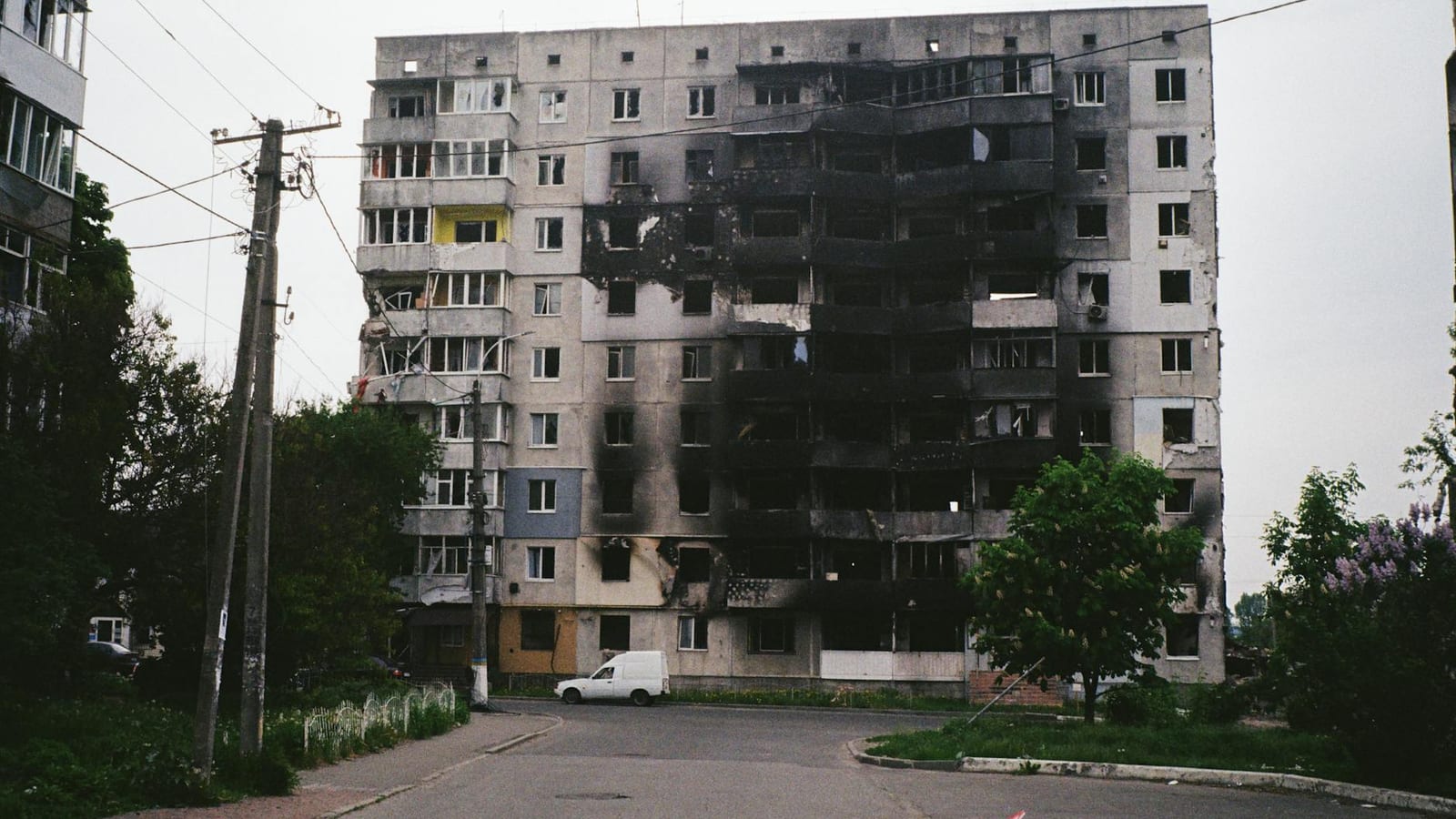
The ceasefire got 45 more days, but the bombs did not wait for the ink to dry.
In southern Lebanon, families in the Tyre district spent Saturday searching through smashed homes. Lebanese authorities said Israeli strikes killed at least 12 people there, even as Washington announced more time for talks between Israel and Lebanon.
For India, this is not a distant fire on a map. Every flare-up near Lebanon, Iran, and the Strait of Hormuz touches oil prices, shipping routes, migrant workers, and the monthly budget of Indian households.
Ceasefire stretches, strikes continue
The US State Department said the ceasefire between Israel and Lebanon would continue for another 45 days. That sounds like a diplomatic window. On the ground, it looked far more fragile.
The Israeli military said it launched fresh strikes against Hezbollah targets in southern Lebanon. It also said two drones were intercepted in areas where Israeli forces remain deployed.
Hezbollah, according to the Israeli military, fired mortars and rockets. Israel reported no casualties from those attacks. But it confirmed that Captain Maoz Israel Recanati, a 24-year-old officer from the Golani Brigade, was killed in combat in southern Lebanon.
Lebanon’s health ministry said Israeli attacks from March 2 to May 16 had killed 2,969 people and wounded 9,112. These are not just numbers. They mean full neighbourhoods living between evacuation, grief, and the next siren.
In the Tyre district, strikes hit Deir Qanoun El-Naher, Majdal Zoun, Hoch, and nearby areas. Rescue teams continued digging through rubble after one attack left more than 10 people dead.
A rescuer linked to the Al-Rissala Scouts association and his mother were also killed in Tayr Falsay. That detail matters. In wars like this, those who rush toward danger often become targets too.
Beirut turns on Hezbollah
Lebanese Prime Minister Nawaf Salam has sharpened his tone against Hezbollah. He accused the group of dragging Lebanon into another reckless war.
His larger message was clear. Only Lebanon’s official armed forces should carry weapons inside the country.
That is a brave statement, but also a politically loaded one. Hezbollah is not just an armed group. It is a political force, a social network, and a military actor backed by Iran.
Lebanon has lived with this contradiction for years. The state exists, but another armed power also acts in its name. Ordinary Lebanese citizens pay the price when that balance breaks.
For a shopkeeper in south Lebanon, the question is not theoretical. If fighting returns, the day’s problem becomes survival, not politics. Schools shut, roads close, cash dries up, and families flee with whatever fits in a bag.
This is the part many distant capitals miss. A ceasefire can exist in diplomatic language while people still hear aircraft overhead.
Drones change the battlefield
The conflict has also entered a more dangerous technological phase. Hezbollah has increased its use of first-person-view drones, the small explosive drones guided by operators through live video.
These weapons became familiar in Ukraine. Now they are shaping battles in the Middle East.
For soldiers, this changes everything. A drone that costs little can chase a vehicle, enter a trench, or strike a group within seconds. It makes the battlefield feel exposed from above, even for trained units.
Israel said it intercepted two drones in southern Lebanon. The larger worry is that both sides now learn faster from other wars than diplomats can negotiate.
This should interest India closely. Our armed forces are watching the same shift. Cheap drones, fibre-optic controls, and battlefield video are changing military planning from Ladakh to the Arabian Sea.
The lesson is blunt. Future conflicts will not wait for expensive weapons alone. Small, smart, and cheap systems can cause large damage.
Hormuz pressure reaches India
The other front sits at sea. The Strait of Hormuz is one of the world’s most important oil routes. When it chokes, Asia feels it first.
The US Central Command said 78 commercial ships had been redirected by May 16 because of the maritime blockade around Iran. It also said four ships had been held to enforce the blockade.
Iranian state television said European countries had begun talks with Tehran for passage through the strait. It said ships from China, Japan, and Pakistan had already crossed after permissions.
No European government had confirmed that claim. Still, the message from Tehran was obvious. Iran wants the world to see that shipping now moves through politics, not just open water.
Iraq’s oil minister, Bassem Mohammed Khudair, said Iraqi oil exports through Hormuz fell almost tenfold in April compared with pre-war months. That should make New Delhi sit up.
India imports most of its crude oil. When shipping routes become risky, freight costs rise. Insurance costs rise. Traders price in fear before actual shortage reaches the pump.
For Indian families, this can show up quietly. Petrol, diesel, LPG, airline fares, and fertiliser costs can all feel the pressure. A conflict in West Asia often reaches India through the price of onions, bus tickets, and electricity bills.
Gulf diplomacy gets busier
Qatar’s Prime Minister and Foreign Minister Mohammed bin Abdulrahman Al Thani met Kuwait’s Prime Minister Ahmad Abdullah Al-Ahmad Al-Sabah in Athens. Qatar said both sides discussed de-escalation and regional stability.
Qatar also stressed talks that address the deeper causes of the crisis. That phrase can sound soft. But in West Asia, ceasefires without political answers usually become pauses between rounds.
Pakistan’s Interior Minister also visited Tehran. Iranian officials said border trade and regional stability were part of the discussion.
Pakistan matters here because it has tried to position itself as a mediator between Iran and the United States. For India, that adds another layer. Any role Pakistan plays in West Asian diplomacy will be watched carefully in New Delhi.
France has moved the Charles-de-Gaulle aircraft carrier group into the Arabian Sea area. Paris says it is positioned for a possible neutral mission to restore navigation through Hormuz.
That word, neutral, will face a hard test. In a region this tense, even a ship claiming neutrality can become a political signal.
India’s task is more delicate than usual. It has deep ties with Israel, large energy interests in the Gulf, millions of citizens working across West Asia, and a long relationship with Iran.
New Delhi cannot treat this as someone else’s war. It must prepare for oil volatility, shipping stress, and emergency plans for Indians abroad.
The next 45 days will show whether diplomacy can slow the fire, or whether the ceasefire becomes just another date on paper. For ordinary Indians, the lesson is simple. A war far away can still enter the kitchen, the fuel tank, and the monthly household ledger.