Israeli Strikes Deepen Lebanon War Risk for India
Fresh Israeli attacks across south Lebanon raise fears of wider conflict, with oil, shipping costs and migrant families exposed to fallout in India.
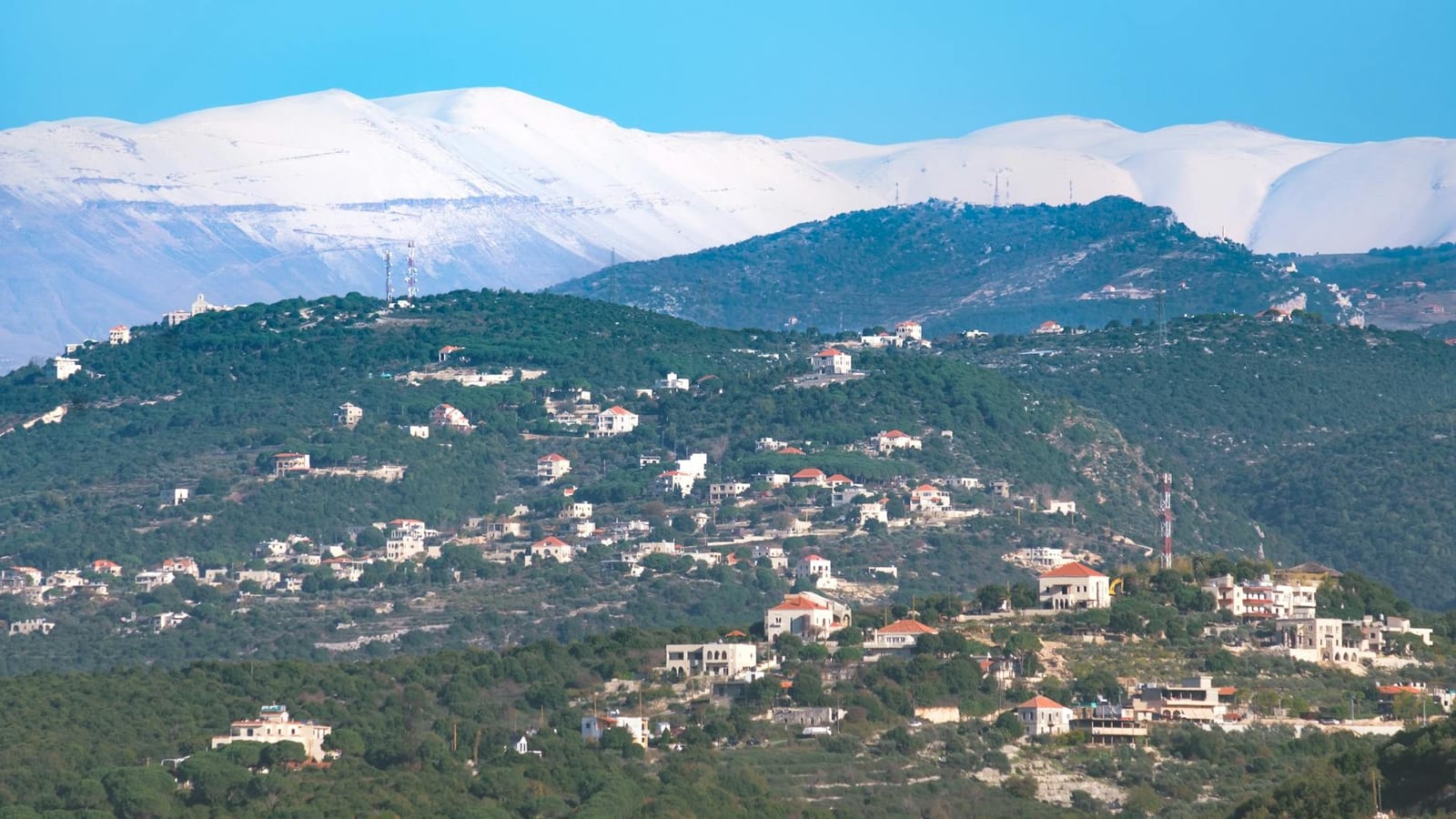
A funeral in south Lebanon today will have almost no mourners, only rescue workers. That detail tells you how bad this war has become.
Fourteen people died in an Israeli strike on a building in Deir Qanoun El-Nahr, in the Tyre district, on Tuesday. Local authorities said the security situation was too dangerous for a normal burial.
For India, this is not some distant fire on a map. When Lebanon burns, Iran talks, America blocks ports, and oil traders panic, the shock reaches Indian fuel pumps, shipping bills, food prices, and migrant families.
Lebanon absorbs another night of strikes
The Israeli army carried out fresh overnight strikes across south Lebanon, hitting villages in the Bint Jbeil district, including Srebbine, Yater, Froun, and Kfar Dounine.
Strikes also hit areas around Nabatiyeh, including Habbouche, Wadi El-Kfour, Nmeiriyé, Maifadoun, Choukine, Yohmor el-Chaqif, and Arnoun. The same area had seen an Israeli attempt to advance earlier this week.
In Tyre district, Israeli aircraft struck Mansouri. A drone also fired near Toura and Jennata, though no injuries were reported there.
The Lebanese health ministry says Israeli attacks in Lebanon since March 2 have killed at least 3,073 people and injured 9,362. Those numbers are not just statistics. They mean packed hospitals, emptied homes, delayed funerals, and families living from alert to alert.
Hezbollah keeps the border burning
Hezbollah said it launched several night attacks on Israeli forces in south Lebanon. It claimed rocket fire at soldiers and vehicles near Debel and Rchaf around midnight.
The group also said it targeted another patrol near Bayada shortly after. Later, it claimed drone attacks around Debel and Haddatha.
This is the dangerous rhythm now. Israel strikes inside Lebanon. Hezbollah answers from the south. Civilians then carry the worst burden, even when each side describes its actions as military.
Jean-Yves Le Drian, France’s special envoy for Lebanon, said Lebanon faces danger to both its unity and territorial integrity. He said part of the country remains under Israeli occupation, while another part is shaped by Hezbollah’s armed presence and Iran’s influence.
That is blunt, but not new. Lebanon has lived for years with a weak state and strong armed groups. What has changed is the scale of the regional war around it.
Iran talks hang by a thread
The wider crisis still turns on Iran and the United States. Tehran said it was studying a new American proposal after talks involving Pakistani mediation.
Iran’s foreign ministry repeated two demands. It wants frozen Iranian assets abroad released. It also wants the American blockade of Iranian ports lifted.
Iranian President Massoud Pezeshkian said all options remained open and called for respect in negotiations. He warned that trying to force Iran into surrender would fail.
Donald Trump told reporters the talks were hanging by a thread. He said the United States was ready to act quickly if it did not get the answers it wanted.
Iran’s chief negotiator, Mohammad Bagher Ghalibaf, accused Washington of seeking another war. He said Iran must prepare for a strong response to any fresh attack.
That kind of language usually does two things. It reassures domestic audiences. It also scares markets, because traders do not wait for missiles to land before changing prices.
Pakistan and China enter the frame
Pakistan has emerged as a mediator between Washington and Tehran. Its army chief, Asim Munir, was expected in Tehran on Thursday for further talks with Iranian officials.
Twenty Iranian sailors who were on a vessel intercepted by the United States returned to Tehran from Islamabad. Iran’s state news agency said their release followed talks involving Iran, Pakistan, and Singapore.
China, meanwhile, announced that Pakistan Prime Minister Shehbaz Sharif would visit from May 23 to May 26. Chinese foreign ministry spokesperson Guo Jiakun said Beijing supports Pakistan’s mediation efforts for peace.
This matters to India because the neighbourhood is not standing still. Pakistan is trying to place itself at the centre of West Asian diplomacy. China is backing that role. India will watch both moves closely.
New Delhi has deep ties with Israel, energy interests in the Gulf, a long relationship with Iran, and millions of Indians working across West Asia. It cannot afford lazy choices in this crisis.
Oil, food, and India’s risk
Markets briefly took comfort from hopes of progress. Brent and West Texas Intermediate crude both fell more than 5 percent. European shares rose, and the Dow Jones gained 1.31 percent.
But one diplomatic wobble can reverse that quickly. The United States said it had intercepted and released another Iranian tanker in the Gulf of Oman. It also said it had stopped four ships and redirected 91 since the blockade began.
Iran’s Revolutionary Guard navy said 26 ships crossed the Strait of Hormuz over the previous 24 hours, under its control. That one sentence should make every oil-importing country sit up.
The Strait of Hormuz is one of the world’s most important oil routes. A large share of India’s crude and liquefied natural gas passes through the Gulf region. If ships slow down, insurers raise rates. If insurers raise rates, import costs rise. If import costs rise, consumers eventually feel it.
The Food and Agriculture Organization warned that closing Hormuz could trigger a shock in food supplies unless countries act early. That warning should worry India.
We often discuss oil first, because petrol and diesel prices are visible. But shipping trouble also raises the cost of fertiliser, edible oil, animal feed, and imported food ingredients. A kirana store owner in a tier-2 city may not track Hormuz, but his wholesale bill can still reflect it.
For young professionals paying EMIs, even a small fuel shock hurts. For farmers, costlier fertiliser or diesel can change the maths of a season. For exporters, higher freight eats margins. For Indian families in the Gulf, war risk always carries another fear, job loss or sudden evacuation.
The Middle East crisis is now testing an old Indian habit, balancing everybody while hoping nobody forces a choice. That habit has served India well, but this war is narrowing the room for easy neutrality. The next few days will show whether diplomacy can cool the region, or whether ordinary people, from Tyre to Tehran to Thiruvananthapuram, will pay for decisions made far above their heads.