Iran war threat puts India's oil supply on alert
Tehran's warning over a wider West Asia conflict raises fresh worries for India over crude flows, fuel prices and Gulf security risks.
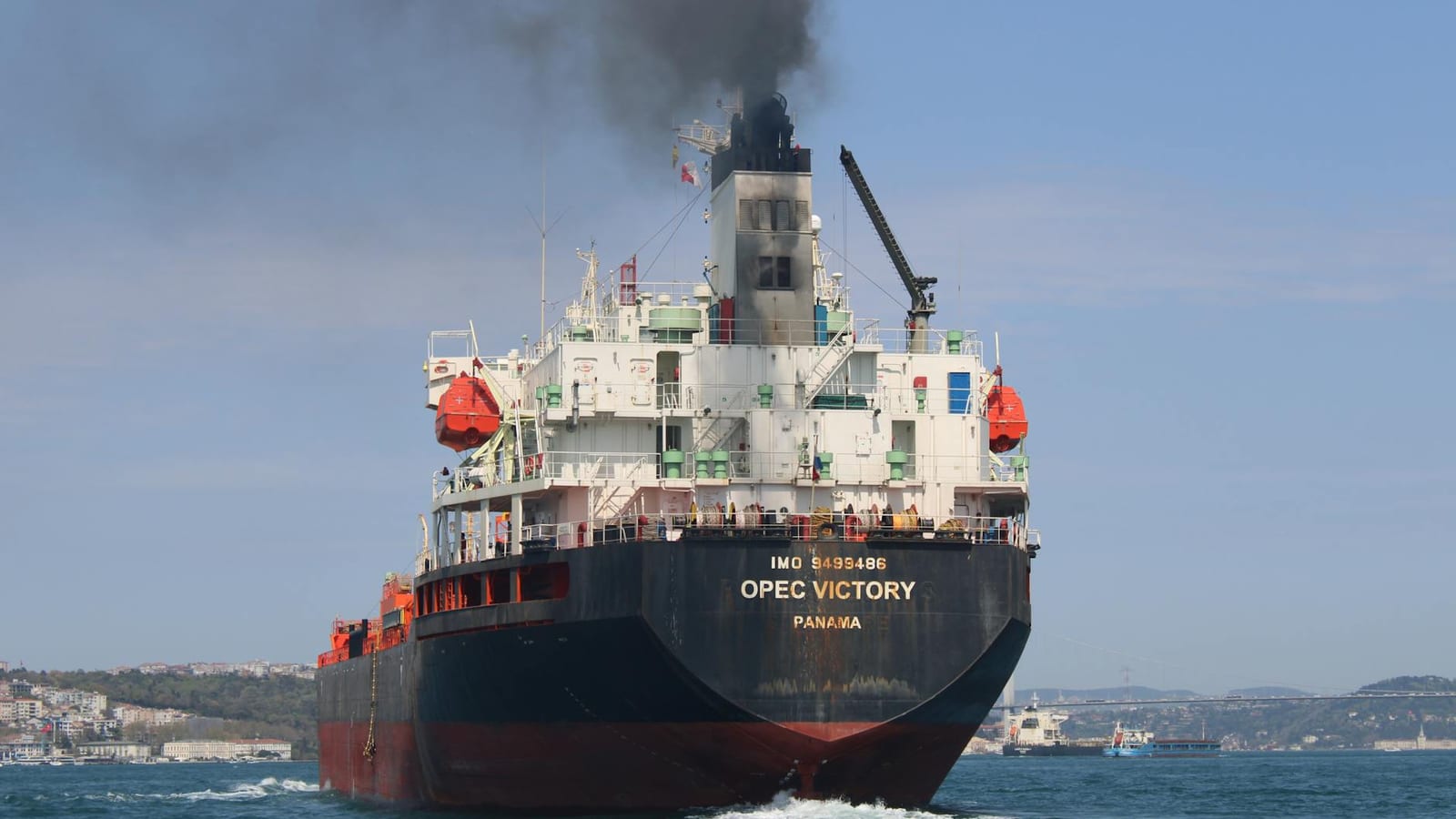
The most dangerous wars are often measured first at petrol pumps, not battlefields.
For India, the latest warning from Tehran is not just another grim line from West Asia. It is a reminder that one narrow waterway, the Strait of Hormuz, can shake household budgets from Surat to Siliguri.
Iran has warned that any fresh American attack will widen the war far beyond the region. The Revolutionary Guards said any repeat of what they called aggression by Israel and the United States would bring crushing strikes.
Tehran raises the threat level
The warning came as fighting kept spreading around the edges of the conflict. Israeli aircraft struck areas in south Lebanon, including places in Bint Jbeil and Tyre districts, according to Lebanon’s official news agency.
Hezbollah also said it had targeted Israeli soldiers and military vehicles overnight in the Bint Jbeil area. It claimed rocket attacks at Rchaf and Debel.
This is how West Asian wars often grow. Not with one dramatic declaration, but through a steady widening of targets, actors, and risks.
For India, that matters because the Gulf is not distant geography. It is home to millions of Indian workers. It is also a major source of crude oil, gas, remittances, and shipping traffic.
A security crisis there quickly becomes a kitchen-table issue here. Diesel turns costlier. Air tickets rise. Fertiliser costs climb. The rupee comes under pressure.
Hormuz squeeze hits Asian buyers
The Strait of Hormuz remains the nerve point. A large share of Gulf energy exports moves through this narrow channel between Iran and Oman.
Energy flows through the strait have already faced disruption since late February. The International Energy Agency has tracked 81 countries that took steps to handle higher oil and gas prices.
Rich countries have mostly tried to cushion consumers with temporary support. They can borrow more, spend more, and absorb pain for longer.
Developing countries have fewer options. Many Asian governments have instead focused on cutting demand or rationing use. That means people and businesses carry more of the burden.
India knows this problem well. When crude rises, the bill lands in many places at once. Petrol and diesel become dearer, transport costs rise, and food inflation gets harder to control.
The government can cut taxes, but only up to a point. Oil companies can absorb some losses, but not forever. Consumers finally pay through prices, delays, or fewer choices.
South Korea gave a small but telling sign of the pressure. Foreign Minister Cho Hyun told parliament that a South Korean oil tanker was leaving the Strait of Hormuz in coordination with Iran.
South Korea depends heavily on Middle Eastern fuel. Before the latest blockage, about 70 percent of its supplies from the region moved through Hormuz.
That detail should catch Indian eyes. Asia’s big energy importers may compete in normal times. In a Gulf crisis, they face the same choke point.
Internet blackout deepens Iran’s crisis
Inside Iran, the war has also meant silence. Internet monitor NetBlocks said the country’s near-total internet shutdown has entered its 82nd day.
The Iranian government imposed the shutdown within hours of the war’s start on February 28. Citizens had already faced an 18-day shutdown in January during protests against the authorities.
That earlier unrest was crushed with heavy casualties, according to rights groups and opposition-linked reporting. Afterward, access returned only partly, with tight filters and limits.
For ordinary Iranians, the internet blackout is more than inconvenience. It cuts families from relatives abroad. It makes payments, work, study, and basic information harder.
For the state, it serves a blunt purpose. When people cannot share videos, organise protests, or speak freely, the government controls the story more easily.
Indians should understand this part clearly. Modern conflict no longer happens only with missiles and drones. It also happens through cables, apps, bank transfers, and phone screens.
When internet access disappears, citizens lose their voice at the exact moment they most need one.
Beijing watches the opening
China has moved carefully, but not quietly. Xi Jinping said during talks with Russian President Vladimir Putin in Beijing that a return to hostilities would be poorly timed.
He said the Gulf stood between war and peace, and that negotiations were now more necessary than ever. His message sounded calm, but the politics behind it are sharp.
China imports huge amounts of energy from the region. It also wants to look like the adult in the room when Washington is tied to another war.
That matters for India. Beijing will try to sell itself across Asia as the power that talks while America bombs. Whether that claim convinces people is another matter.
But perception counts in diplomacy. If Asian economies suffer from high energy prices and shipping risk, anger will not stay confined to Tehran or Tel Aviv.
The larger shift is easy to miss. West Asia is no longer a theatre controlled mainly by Washington. China, Russia, Iran, Turkey, Israel, Gulf monarchies, and Asian buyers all shape the board.
India must read that board without sentiment. It needs stable energy, safe shipping, and protection for its citizens abroad. It also cannot afford to get trapped in another power’s script.
Regime-change talk adds uncertainty
One of the most striking claims around the war concerns Mahmoud Ahmadinejad. American and Israeli planners reportedly considered the former Iranian president as a possible figure in a post-strike political plan.
The idea was always strange. Ahmadinejad built his image on hardline, anti-Israel, and anti-American politics. Yet the plan appeared to rest on the hope that an insider could replace the current power structure.
It reportedly fell apart quickly. Ahmadinejad was said to have been injured in an Israeli strike on his Tehran home early in the war. The strike was meant to free him from house arrest.
If true, the episode shows the danger of regime-change thinking. Outsiders often imagine neat political outcomes. Real countries rarely behave like chessboards.
Iran has factions, grievances, loyalties, memories, and anger. Bombing can kill leaders. It does not automatically produce a friendly government.
For India, the lesson is old but useful. Stability matters more than slogans. Every time West Asia burns, Indian families feel it through jobs, fuel, remittances, and uncertainty.
A worker in the Gulf watches the same news differently from a TV studio guest. A small transporter in Jaipur reads oil prices with more fear than ideology. A young family paying an EMI feels every rise in inflation.
That is why Tehran’s warning should not be dismissed as distant theatre. If this war widens, the damage will travel by ship, cable, currency market, and airline route.
India’s task now is clear. Keep evacuation plans ready. Secure energy supplies. Talk to all sides. And remember that in West Asia, even a local spark can send heat into every Indian home.