Germany Backs Associate EU Seat For Wartime Ukraine
Friedrich Merz has proposed associate EU status for Ukraine, offering Kyiv access to key forums while full membership remains delayed.
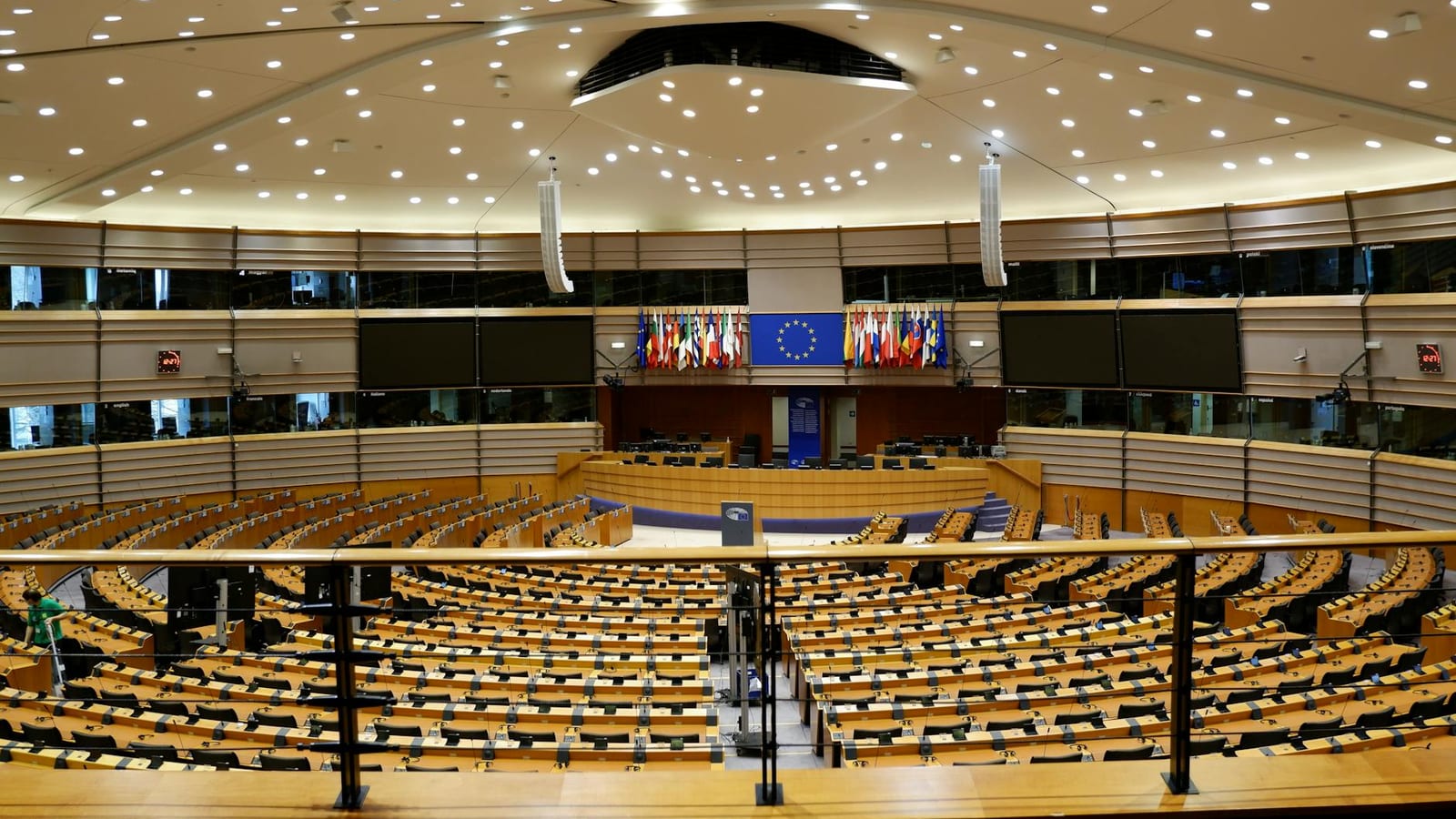
A country at war is being offered a waiting room with better chairs, not the keys to the house.
That, in plain English, is what Germany’s new proposal for Ukraine means. Friedrich Merz, the German chancellor, has suggested that Kyiv be made an “associate member” of the European Union while full membership remains stuck in politics, paperwork, and hard economics.
For Ukraine, this is both a lifeline and a warning. Europe wants to keep it close. But Europe is also admitting that bringing in a large, war-hit farm power will not happen quickly.
Germany offers Kyiv a middle path
Merz has written to top European Union leaders with a practical idea. If Ukraine cannot enter the EU soon, it should still get a formal seat near the table.
Under his plan, Kyiv could join some meetings of EU leaders. It could get an associate European commissioner, but without a portfolio. It could also have associate members in the European Parliament, but without voting rights.
That sounds dry, but it matters. In Brussels, access is power. Even without a vote, Ukraine would hear debates early, shape moods, and build alliances.
Merz has also tried to avoid a dangerous phrase. He does not want this to look like second-class membership. For Ukraine, that distinction matters. President Volodymyr Zelensky has repeatedly pushed for full EU membership, preferably by 2027.
But Germany is saying what many in Europe already know privately. The normal accession process will take time. It involves law, budgets, farm policy, borders, trade rules, and approval across member states.
That is not a small file. It is a whole cupboard.
Why full EU entry is hard
Ukraine received official candidate status in December 2023. That was a huge political signal after Russia’s invasion. It told Ukrainians that their future lay with Europe, not under Moscow’s shadow.
But candidate status is not membership. It is the start of a long and often painful audit.
Every EU hopeful must align laws, courts, trade rules, farm systems, competition policy, and public spending with the bloc. Even in peacetime, this can take years. Ukraine is trying to do it while fighting a war.
The bigger problem is political. Hungary, under Viktor Orban, had blocked progress on Ukraine’s membership talks. The victory of Péter Magyar in Hungary’s April 12 elections may change that mood, but nobody in Europe will treat it as a magic switch.
Then comes agriculture. This is where the chai conversation becomes very Indian.
Ukraine is a farm heavyweight. Its grain, oilseeds, and food exports can shake European markets. Farmers in countries like France already worry that cheaper Ukrainian produce could undercut them.
We have seen this movie in India too. Whenever trade opens up, the first question comes from the mandi, not the seminar room. Who gains? Who loses? Who gets protection? Who pays the political price?
That is why “associate membership” looks attractive to Berlin. It keeps Ukraine tied to Europe without forcing every member state to settle every hard question immediately.
War keeps raising the pressure
This proposal has not arrived in a calm diplomatic season. The war is still grinding through daily attacks, drone strikes, and warnings of escalation.
Ukrainian emergency officials said Russian strikes in the Chernihiv region killed one person and injured two. The attack also damaged a farm site, including a vehicle and a warehouse.
That detail matters. Wars are often described through maps and missile ranges. But on the ground, they hit farms, depots, workshops, and supply chains. A warehouse fire in Chernihiv is not just a local loss. It is one more blow to a country trying to feed itself and export food while under attack.
On the Russian side, the governor of Samara region said a Ukrainian drone attack on Syzran killed two people and injured others. Syzran hosts a major oil refinery. Ukraine has often said it targets military and energy sites to weaken Moscow’s ability to fund the war.
This is the new shape of the conflict. Russia bombs Ukrainian cities and infrastructure. Ukraine reaches deeper into Russia with drones. Both sides try to hit the other’s capacity to fight.
Meanwhile, diplomacy has stalled. Nobody close to the war is pretending that peace talks are around the corner.
Belarus fear returns to Kyiv
Zelensky has also warned that Russia may be preparing new attack plans through an axis involving Belarus and the Russian city of Bryansk. He said Ukraine is strengthening defences in the north, especially near the Chernihiv-Kyiv route.
For Indians watching from far away, Belarus may look like a side issue. It is not.
Belarus borders Ukraine and also sits near Poland, Lithuania, and Latvia, all NATO members. Any escalation from Belarusian territory raises the risk of a wider European crisis.
Last year, Russia deployed the Oreshnik missile system in Belarus. Moscow describes it as a hypersonic weapon with nuclear capability. It was used against an industrial site in Dnipro in November 2024, and later against western Ukraine near the Polish border.
Russia and Belarus have also begun exercises involving nuclear weapons. Belarusian defence officials said the drills are planned training and not aimed at third countries. Still, the message is hard to miss.
Moscow is reminding Europe that Ukraine’s war is not sealed inside Ukraine’s borders. It can pressure NATO’s eastern flank whenever it chooses.
That is why the EU membership debate carries security weight. For Kyiv, EU entry is not only about markets and subsidies. It is about belonging to a political family that Russia cannot easily isolate.
The India angle is real
India does not sit inside Europe’s security architecture. But this war has touched Indian pockets from the start.
Oil prices, fertiliser costs, wheat markets, shipping insurance, and defence supply chains have all felt the strain. When refineries in Russia face drone attacks, or sanctions rules shift in Europe, the effects travel through global prices.
Indian households may not follow every speech in Brussels. But they do feel fuel prices, food inflation, and loan stress. A small trader in Indore or a cab driver in Pune does not need to know EU treaty law to feel global instability.
There is also a larger geopolitical lesson. The West wants Ukraine inside its system, but slowly. Russia wants to block that path by force. China watches and deepens ties with Moscow. The old global order is not collapsing in one dramatic scene. It is being rewired one crisis at a time.
For New Delhi, that means more careful balancing. India has kept ties with Russia, expanded engagement with Europe, and avoided taking a position that shuts doors. That strategy becomes harder when the war escalates and blocs become more rigid.
The German proposal shows a world searching for half-steps because full decisions have become too costly. Ukraine may get a chair in Europe’s room before it gets a vote. For ordinary Ukrainians, that may still mean hope. For ordinary Indians, it is a reminder that distant wars rarely stay distant when energy, food, and global power are all tied together.