Gaza Ceasefire Stalls as Reconstruction Plan Falters
Months after the Sharm el-Sheikh ceasefire, Gaza remains trapped between stalled diplomacy, weak reconstruction plans and urgent civilian needs.
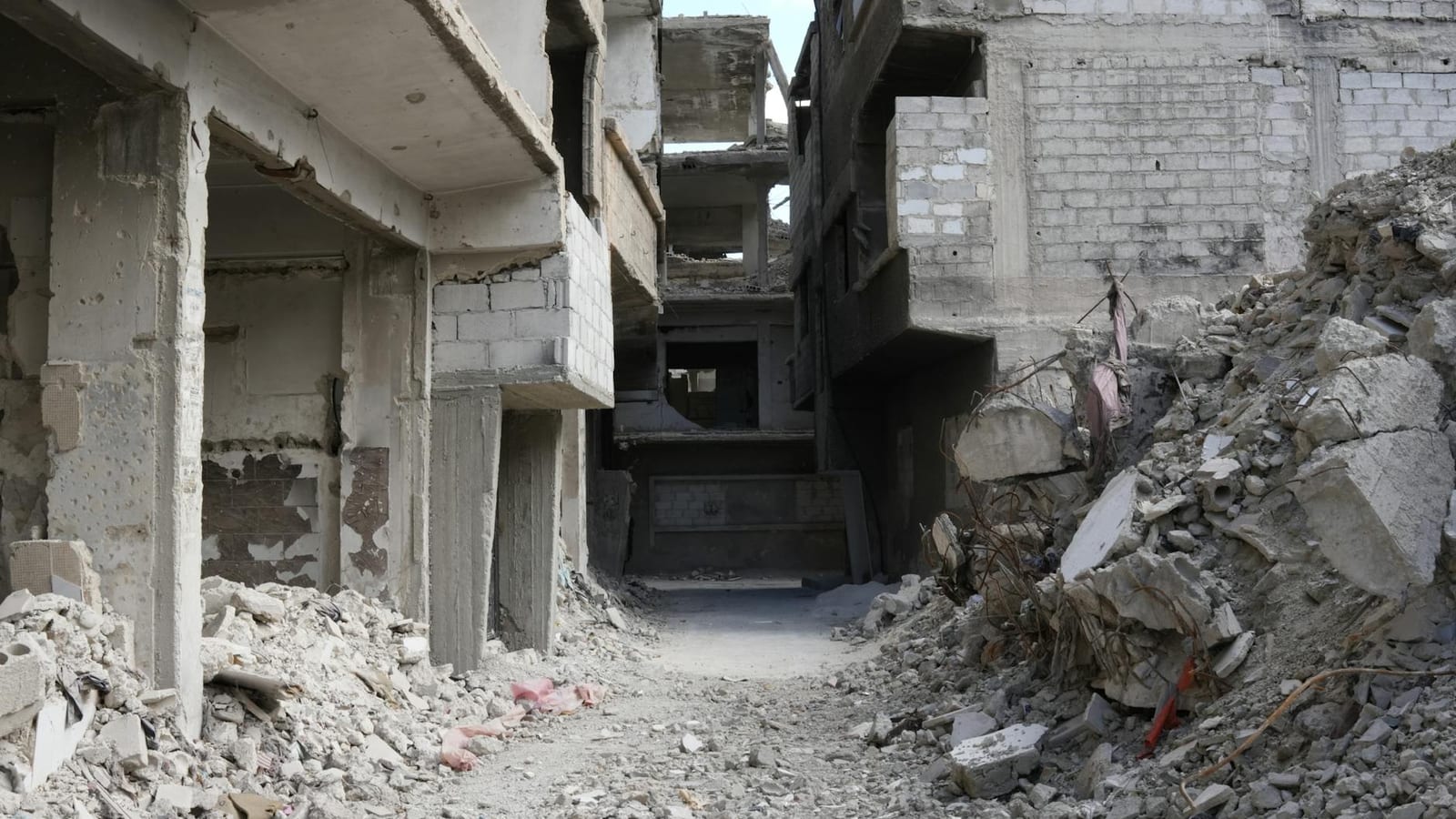
A ceasefire can look neat on a podium. It looks very different in a ruined street.
That is the hard lesson from Gaza, where the promise of reconstruction after two years of war has slipped into diplomatic fog. On October 13, 2025, Donald Trump stood in Egypt’s Sharm el-Sheikh and declared that a “beautiful new day” had arrived.
The ceasefire had freed the remaining Israeli hostages taken on October 7. It had also led to the release of Palestinian prisoners. For a brief moment, the world wanted to believe the hardest part was over.
Trump’s peace promise runs aground
Trump said reconstruction would now begin, and even suggested it may be the easier part. That line now sounds like the kind of confidence only power can afford.
The months since the ceasefire have told another story. Gaza has not moved from war to politics. It has moved from open violence into a vacuum, where every promise sounds large and every mechanism looks thin.
For ordinary Palestinians, this gap is not academic. Reconstruction means roofs, water, clinics, schools and jobs. It means a child returning to class without passing rubble every morning.
For Israelis, the ceasefire also carried a deep emotional weight. The release of hostages closed one terrible chapter for families. But it did not answer the larger question of security.
This is where the plan began to struggle. A ceasefire can stop guns for a while. It cannot, by itself, build authority, trust, police stations, courts or a political future.
The UN plan rewrites old rules
A month after the ceasefire, the United Nations adopted a 20-point plan backed by Trump. On paper, that gave the process global legitimacy.
But the plan also marked a sharp break from decades of diplomacy. Since the 1947 partition plan for Palestine, global efforts had circled around the two-state formula.
That idea, however battered, gave both sides a political destination. It said Israel and a Palestinian state would exist side by side.
The new 20-point plan took a different route. It spoke of making Gaza a deradicalised zone and redeveloping it for the enclave’s people.
Those words sound tidy in a conference room. On the ground, they raise uncomfortable questions. Who defines deradicalisation? Who governs redevelopment? Who speaks for Palestinians?
The plan mentioned a possible Palestinian state only weakly. It did not clearly say where such a state would stand.
That matters. A state without territory is not a state. It is a phrase diplomats use when they want applause without a map.
India should read this carefully. New Delhi has long supported a two-state solution while building closer ties with Israel. That balance becomes harder when the global script itself starts changing.
Gaza exposes a power vacuum
Trump’s plan also proposed institutions to convert the ceasefire into a political arrangement. One of them was a Peace Council, formally launched in Washington on February 19.
The optics around that meeting were unusual, even theatrical. But the deeper problem was not the music or staging. It was whether the body had real weight.
A council can issue statements. It cannot rebuild a territory unless money, security and authority align. Gaza needs all three, and none looks settled.
The crisis has now swallowed diplomacy, politics and military planning together. That is why Gaza feels like a black hole for global power.
Everyone has a line. Few have a workable system.
Arab states do not want to inherit Gaza’s crisis without a political settlement. Israel will not accept arrangements it sees as security risks. Palestinians cannot rebuild dignity through plans written around them.
The United States still remains central, but attention has already scattered. Trump’s focus shifted as Washington and Israel entered a war against Iran, with no easy exit in sight.
That matters for India too. West Asia is not a faraway theatre for us. It is where millions of Indians work, where our energy routes run, and where any escalation reaches our economy fast.
Oil prices, shipping insurance, remittances and investor mood all feel the heat when the region shakes. A Gaza plan that fails quietly can still hurt loudly.
India watches a shifting region
For Indian readers, the Gaza story is not just about morality or diplomacy. It is about the new disorder in global politics.
The old American formula was simple. Washington set the table, allies gathered around, and rivals reacted. That world now looks much messier.
The United States still has unmatched military power. But power alone cannot turn a ceasefire into a settlement. It cannot make local legitimacy appear overnight.
China, Russia and regional powers watch these failures closely. So do countries like India, which must deal with every side without being trapped by any camp.
New Delhi’s challenge is delicate. It has strong defence and technology ties with Israel. It also has historic support for Palestinian rights and deep interests across the Arab world.
That is why India rarely gains from loud posturing in West Asia. It gains from stability, open shipping routes, affordable energy and steady ties with all major players.
Gaza’s uncertainty also speaks to a larger lesson. Reconstruction without politics becomes contracting. Security without justice becomes occupation. Diplomacy without local consent becomes theatre.
The people who pay first are never those at the podium. They are families waiting for homes, workers waiting for ports to reopen, and students waiting for school to feel normal again.
For now, Gaza sits between ceasefire and settlement, between promise and plan. The world has seen such pauses before. Some become peace. Many become the waiting room for the next crisis. For India, the sensible position is clear: watch the fine print, keep every channel open, and remember that in West Asia, unfinished wars rarely stay local.