Five killed as Israel strikes south Lebanon homes
Israeli strikes killed at least five people in south Lebanon, with attacks on Kfar Sir and Froun adding pressure across the Middle East for India.
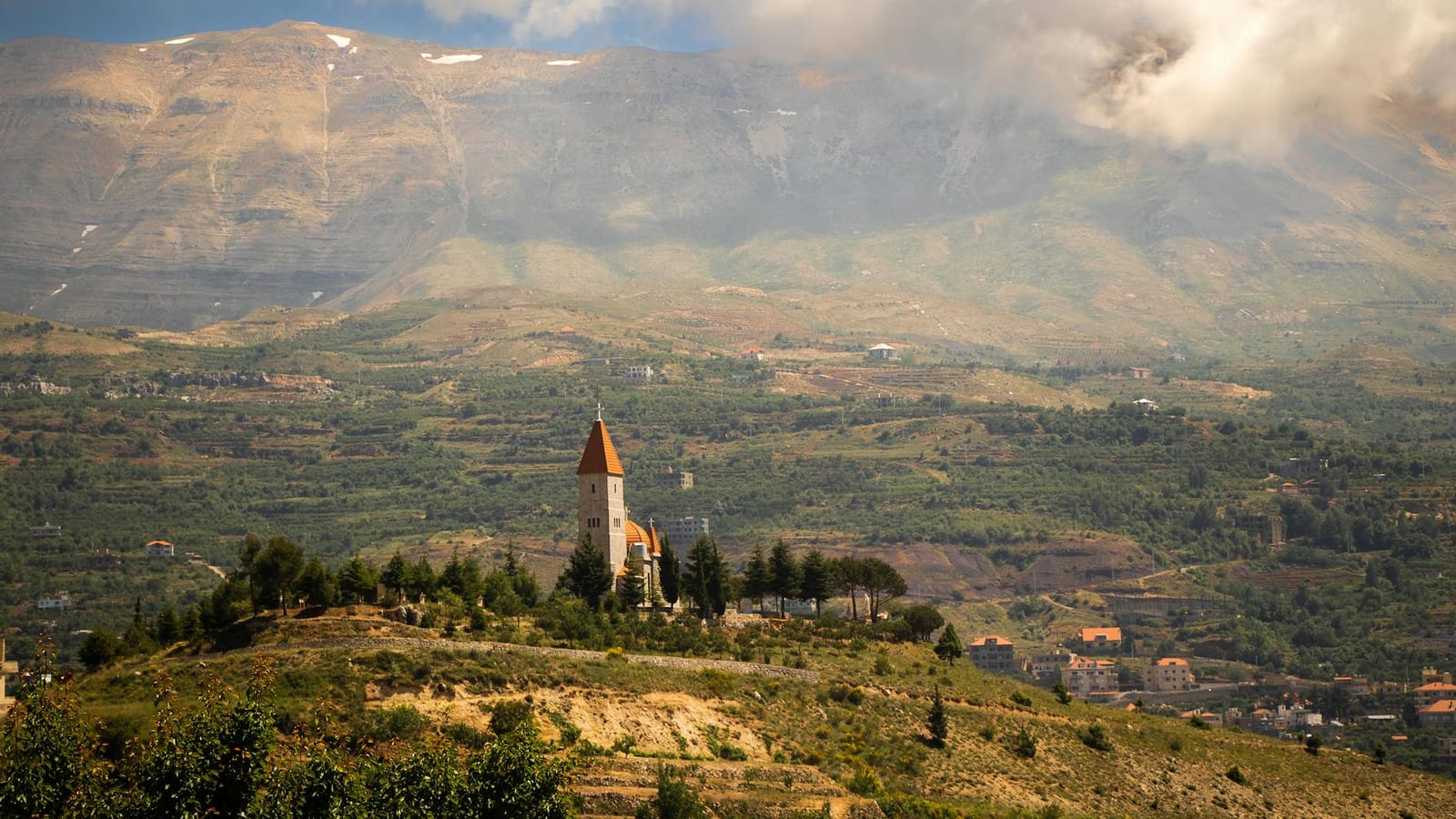
A house in south Lebanon took the hit before many families had finished their morning tea.
By Tuesday, Israeli strikes had killed at least five people in the country’s south. Four died in Kfar Sir, including two women, while another person was killed in Froun. Two others were injured.
For India, this is not a distant war on a map. Every fresh blast near Lebanon, Israel, and Iran travels quickly into petrol prices, shipping costs, migrant safety, and diplomatic pressure.
South Lebanon faces fresh strikes
Lebanese reports said Israeli bombardment hit a home in Kfar Sir, in Nabatiyeh district. Another strike killed at least one person in Froun, in Bint Jbeil district.
Lebanon’s National News Agency also reported renewed Israeli artillery fire in Marjeyoun district. A drone strike near Qlaileh, south of Tyre, reportedly targeted farmers in a field. No injuries were reported there.
That detail matters. Wars are often described through maps and frontlines. But in places like south Lebanon, the line between fighter and civilian life can become brutally thin. A farmer in a field can suddenly become part of a military news cycle.
The wider toll is already grim. Lebanese authorities have said Israeli strikes have killed 3,020 people in Lebanon since hostilities began on March 2. The dead include 116 medical workers and 211 children or minors. More than 9,200 people have been injured.
Hezbollah returns to drone attacks
Hezbollah claimed it targeted an Israeli army communications vehicle in Taybeh, in Marjeyoun district. The group said it used an explosive drone. The vehicle reportedly caught fire.
This is the pattern that makes the border so dangerous. One strike invites another. A drone attack follows artillery. A village becomes a target. Then diplomats step in, usually after families have already paid the price.
Lebanese President Joseph Aoun has said he has a duty to do everything possible to stop the war against Lebanon and its people. His office said talks with Israel seek the withdrawal of Israeli forces and the return of displaced people.
That word, displaced, hides an entire life. It means closed shops, missed school, abandoned homes, and families waiting for a ceasefire they no longer trust.
Hormuz turns into global pressure point
The most dangerous part of this crisis may sit far from Lebanon. It lies in the Strait of Hormuz, the narrow sea route through which a huge share of global oil, gas, and fertiliser usually moves.
Iranian parliamentarian Ebrahim Azizi said the strait would remain under Iranian control and management. He described it as an economic, political, and military lever.
That is plain language for pressure. If Iran squeezes Hormuz, the world feels it at the pump. India feels it faster than many countries because it imports most of its crude oil.
The warning signs are already visible elsewhere. Kenya has seen a transport strike over higher fuel prices. The country depends heavily on oil imports from the Gulf. Its pain shows how quickly Middle East tension can land on ordinary commuters.
For India, the risk is not theoretical. Costlier crude can push up petrol, diesel, airfares, fertiliser, and food transport. A kirana store owner may not follow Hormuz closely. But he will notice when delivery costs rise.
Trump talks war and deal
US President Donald Trump said Middle East allies had told him talks were moving closer to a deal that would stop Iran from getting a nuclear weapon. He also said he would prefer a deal without heavy bombing.
At the same time, Trump said the United States had been ready for a large attack on Iran. He said he stepped back after requests from Gulf leaders, while warning that the US could still strike if talks failed.
Iranian President Massoud Pezeshkian pushed back through a post on X. He said dialogue did not mean surrender. Iran, he said, would protect its rights and dignity.
This is where the public language becomes important. Both sides want room to negotiate. Neither wants to look weak. That is a risky mix, especially when ships, missiles, drones, and oil markets are already involved.
Iranian military commander Ali Abdollahi Aliabadi also warned the US and its allies against another strategic mistake. He said Iranian forces had their finger on the trigger.
Israel’s politics harden the mood
Inside Israel, politics is moving under the shadow of war. Elections for the Knesset are expected in October, though they may come earlier if a dissolution bill moves ahead.
The contest is being framed heavily around Prime Minister Benjamin Netanyahu. His opponents attack his record, his corruption cases, his handling of the October 7, 2023 Hamas attack, and Israel’s growing isolation.
But one large question remains weak in the campaign. What kind of future does Israel imagine with Palestinians in Gaza, the West Bank, and Arab citizens inside Israel?
A small example shows the mood. A children’s colouring and sticker book sold in Israel reportedly shows a map where Gaza and the occupied West Bank do not appear as separate territories. For very young children, the land between the Jordan River and the Mediterranean is shown as one country.
That may sound like a minor cultural detail. It is not. It tells us how long wars survive beyond battlefield decisions. They enter classrooms, shops, cartoons, and family conversations.
For India, the lesson is blunt. West Asia is not just foreign policy. It is energy security, diaspora safety, trade, inflation, and naval planning rolled into one. New Delhi will have to keep speaking to all sides, because slogans will not bring down oil prices or protect Indian workers abroad.
The next few days will show whether diplomacy can slow the spiral. If it cannot, ordinary people will pay first, from south Lebanon’s villages to fuel queues far beyond the Middle East.