Drone strike near UAE nuclear plant raises Gulf fears
A drone hit a generator near the UAE's Barakah nuclear plant, raising security concerns in a Gulf region vital to Indian workers and energy trade.
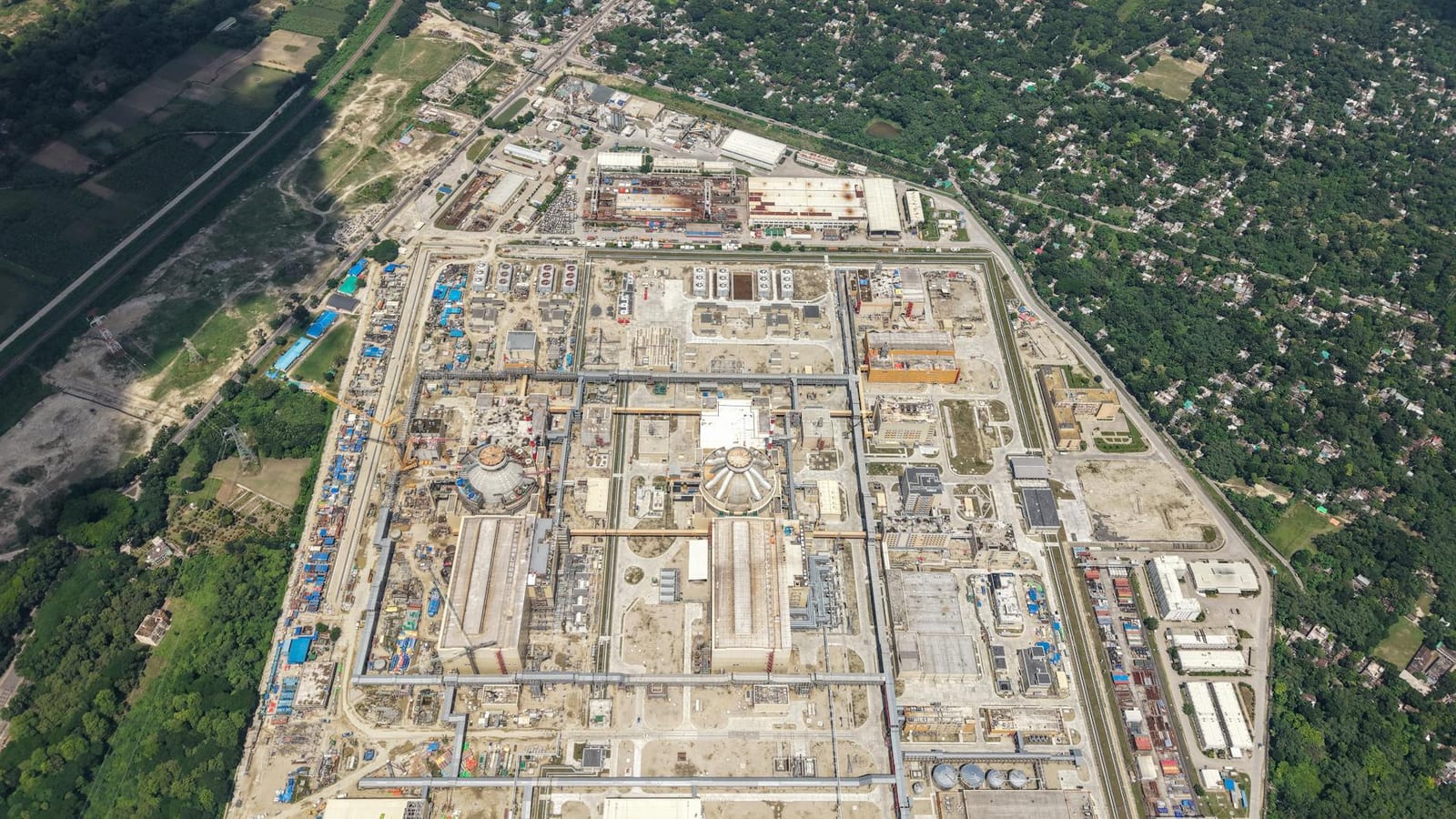
A small drone hitting a generator would normally sound like a local security scare. But this one struck near an Arab nuclear power plant, in a Gulf region already running on nerves.
Abu Dhabi said the drone hit a power generator outside the inner security zone of the Barakah nuclear plant. Officials reported no injuries, normal radiation levels, and normal operation of key systems.
For India, this is not a faraway headline. Millions of Indians live and work in the Gulf. India also depends heavily on Gulf energy, trade routes, and remittances. When that region shakes, Indian families feel the tremor.
Barakah attack raises nuclear alarms
The Barakah nuclear power plant sits west of Abu Dhabi and supplies a major share of the UAE’s electricity. Its four reactors are meant to cover roughly a quarter of the country’s power demand.
That makes it more than a power station. It is a symbol of the Gulf’s energy future. Oil-rich states now want nuclear power, solar power, and high-tech industry to sit beside oil and gas.
The UAE’s nuclear regulator said the plant’s central systems continued to work normally. Abu Dhabi said it would investigate the origin of the drone attack.
The government did not immediately name a culprit. But it described such attacks as terrorism and said it reserved the right to respond.
That wording matters. In West Asia, language often moves before missiles do. A public statement can become a warning, then a red line, then a military answer.
Iran shadow hangs over Gulf
The suspicion quickly turned toward Iran, even though Abu Dhabi did not formally blame Tehran. Since the latest war involving the United States, Israel, and Iran began, Gulf states with American bases have come under sharper threat.
The UAE has long accused Iran of targeting energy assets. Officials see attacks on power plants, ports, and oil infrastructure as a dangerous widening of the conflict.
This is where Indian readers should pay attention. The Gulf is not just a petrol pump for India. It is also home to Indian workers, nurses, engineers, drivers, traders, and small business owners.
A Kerala family waiting for money from Dubai does not discuss nuclear doctrine at dinner. But if Gulf tensions hit jobs, flights, insurance, or oil prices, that family notices quickly.
India also buys energy through routes that pass near this theatre. Even a limited strike can push shipping costs higher. That can quietly lift fuel prices, freight bills, and inflation at home.
The Gulf has seen drone and missile threats before. What feels new is the nuclear angle. A drone did not need to damage a reactor to cause alarm. The word “nuclear” changes the temperature of every conversation.
IAEA calls for restraint
Rafael Grossi, the head of the International Atomic Energy Agency, said military action that risks nuclear safety cannot be accepted. The agency said it was watching the situation closely.
The UAE told the agency that radiation readings remained normal. That helped calm immediate fears. But the deeper worry remains.
Modern drones are cheap, hard to detect, and politically useful. A country or armed group can use them to send a message without launching a full war.
That is exactly why they are so dangerous. They blur the line between warning and attack. They also tempt leaders to respond before facts become clear.
Britain has now moved to fit its Typhoon jets in the region with cheaper anti-drone rockets. The British defence ministry said the new system can shoot down drones at much lower cost.
This is not a small technical detail. At present, militaries often fire expensive interceptor missiles at far cheaper drones. That is like using a luxury sedan to block a scooter.
The economics of war are changing. Cheap drones force rich armies to spend heavily on defence. Over time, this can drain budgets and stretch air defence systems.
India knows this problem too. From the western border to the Arabian Sea, drone defence has become a serious national security issue. The Gulf’s experience will be studied closely in New Delhi.
Trump pressure keeps region tense
Donald Trump has kept pressure on Tehran while diplomatic efforts remain stuck. He warned that Iran must move quickly or face destruction.
Trump has rejected suggestions that he underestimated Iran’s ability to absorb pain. He has argued that American strikes have already hit Iran hard.
Yet the war has not ended. A ceasefire has been extended, but it has also been repeatedly tested. That is the problem with ceasefires in this region. They often pause the fire, not the conflict.
Israel, too, appears to be preparing for more options. Prime Minister Benjamin Netanyahu said Israel was watching Iran closely and remained ready for any scenario.
That signal matters because Israel and Iran rarely fight only in one place. Gaza, Lebanon, Syria, Iraq, the Red Sea, and the Gulf can all become connected fronts.
The latest fighting underlines that pattern. Israel said it targeted Hamas military commander Izz al-Din al-Haddad in Gaza. Hamas later confirmed his death, along with members of his family.
In Lebanon, the ceasefire between Israel and Hezbollah remains fragile. The United States announced a 45-day extension, but attacks continued. Lebanese authorities reported deaths after a strike in the south.
For ordinary people across the region, this means ceasefire does not always mean safety. A family may return home one day, then flee again the next.
Why India cannot look away
India’s official instinct in West Asia is careful balance. It has deep ties with Israel, old links with Iran, and vital interests in the Gulf.
That balance becomes harder when the conflict spreads. A drone near a nuclear plant is not just another military update. It threatens energy security, migrant safety, and regional confidence.
New Delhi will watch three things closely. First, whether the UAE identifies the attacker. Second, whether Israel or the United States escalates against Iran. Third, whether Gulf shipping and energy infrastructure face more strikes.
There is also a larger lesson here. The Gulf’s future is being built around ports, data centres, aviation, finance, and clean energy. All of that needs confidence.
Drones are built to puncture confidence. They may cause limited physical damage, but they create huge psychological and financial pressure.
For Indians, the story is simple. A generator fire near Barakah may have been controlled quickly. But the fear it exposed will not disappear quickly.
The next few weeks will show whether this was a contained warning or a sign of a wider storm. Either way, India cannot treat Gulf security as someone else’s problem. It sits inside our fuel bills, our job markets, and the lives of families who straddle both shores.