China Turns Xinjiang Coal Into Shield Against Oil Shocks
China is expanding Xinjiang coal mines and chemical plants to cut exposure to oil route risks and secure fuel, gas and industrial inputs.
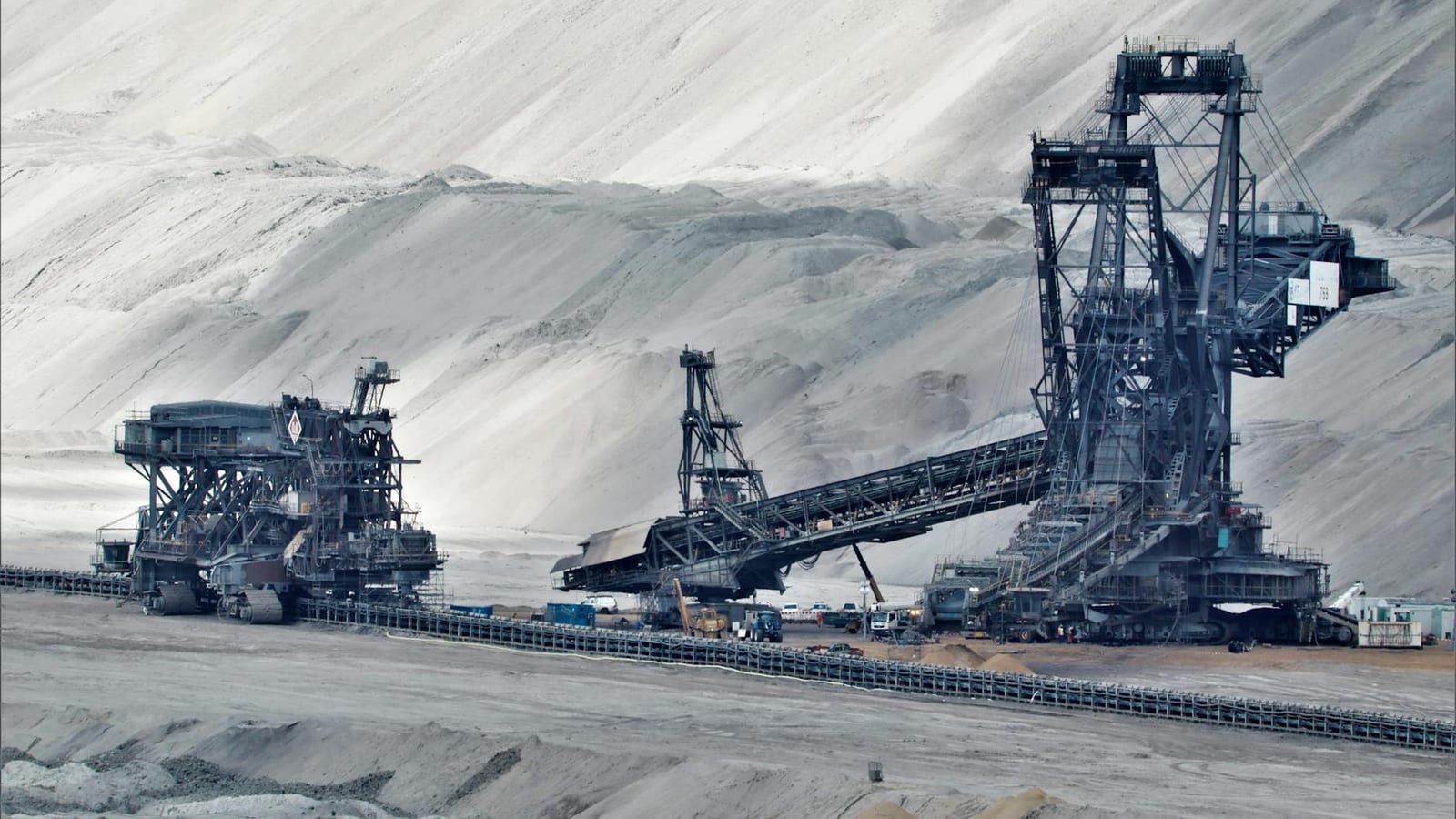
A boomtown in China’s desert is telling the world something uncomfortable. When oil routes shake, Beijing does not just pray for calmer seas.
It digs deeper at home.
In northern Xinjiang, heat, salt flats, chimneys and conveyor belts now form part of China’s answer to oil insecurity. The centre of this story is Wucaiwan, in Changji, where coal mines, power plants and chemical factories sit beside each other in the Gobi Desert.
China’s desert energy bet
China has spent years building Xinjiang into a huge energy base. The Zhundong National Economic and Technological Development Zone sits on coal reserves estimated at 390 billion tonnes.
That number is almost too large to picture. Think of it this way. China is trying to create an inland energy fortress, far from tankers, choke points and naval tensions.
The zone is not just mining coal and burning it for electricity. Factories there turn coal into liquid fuel, gas, plastics, fertilisers and other chemicals.
That matters because oil does much more than run cars. It feeds the chemical industry, which makes packaging, textiles, paints, fertilisers, medicines and thousands of daily-use products.
For a kirana store owner in India, that chain appears as plastic bottles, packets and transport costs. For a farmer, it can show up in fertiliser prices. For a young family, it may quietly enter monthly budgets.
Iran war sharpens the lesson
The war in Iran has again reminded governments that oil is never just a commodity. It is also geography, military risk and political pressure.
Nearly 60 percent of the world’s oil reserves sit around the Persian Gulf. That has shaped the last century of global power. Ships, insurance markets, refineries and military alliances all grew around that fact.
China has watched this system closely. It imports large volumes of oil and gas. It also knows that the sea lanes bringing that energy can become vulnerable during conflict.
So Xinjiang offers Beijing a different kind of insurance. Coal cannot replace oil fully. But coal chemicals can soften the blow when crude prices jump or supply chains break.
This is the key point Indian readers should notice. China is not waiting for a perfect green transition. It is building multiple backups at once.
It wants solar panels and electric cars. It also wants domestic coal, coal-based chemicals and large industrial clusters. That mix may look messy. But it gives Beijing choices during a crisis.
Why this matters for India
India should read this story without romance and without panic. We also import most of our crude oil. Our petrol prices, airline fares, shipping bills and fertiliser subsidies all feel the heat when West Asia burns.
India has built strategic petroleum reserves. It buys from different suppliers. It has also pushed ethanol blending, electric mobility and renewable power.
But China’s Xinjiang model points to another layer of planning. It is about turning domestic resources into industrial security.
India has coal. It has chemistry talent. It has public sector energy firms and private groups with serious engineering capacity. But coal chemicals come with a heavy pollution and carbon problem.
That is where the debate becomes tricky. A country cannot ignore energy security. It also cannot pretend that coal-based industry carries no climate cost.
For Indian policymakers, the practical question is sharper. Which sectors need backup supply chains most? Fertilisers, plastics, transport fuels and speciality chemicals should all be part of that discussion.
India does not need to copy China’s model blindly. Our land, water, courts, federal politics and pollution pressures work differently. But we do need the same seriousness about supply shocks.
Coal chemicals carry a price
Xinjiang’s coal push also comes with hard questions. Turning coal into fuels and chemicals needs water, power and large industrial systems. In dry regions, that can stress local ecology.
The Gobi setting may look empty from a distance. But no landscape is truly empty. Large projects change water use, worker migration, roads, housing and local air quality.
For China, the political calculation is clear. Energy security and industrial output sit near the top of its national priorities. Environmental costs often get managed inside that broader state plan.
For India, that trade-off would face louder contest. Local communities, state governments, courts and activists would ask harder questions. That is not a weakness. It is how our system works.
Still, the technology race is real. If coal-based chemicals become cheaper and more efficient, China could gain another edge in manufacturing.
That would matter for Indian companies making chemicals, textiles, packaging, auto parts and electronics. Input costs decide who wins export orders. A cheaper Chinese supply chain can squeeze Indian margins.
The new map of energy power
For decades, energy power meant oil wells, tankers and refineries. Now it also means who can turn coal, gas, sunlight, lithium and data into industrial strength.
China’s Xinjiang push fits this new map. It treats energy not as one market, but as a complete system. Mines feed power plants. Power plants feed factories. Factories feed supply chains.
That is why the story is bigger than one desert zone. It tells us how great powers prepare for a rougher world.
The old globalisation assumed ships would move freely and prices would remain manageable. The new world looks less polite. Wars, sanctions, shipping attacks and export controls now sit inside business planning.
India’s lesson is simple, but not easy. Cheap imports can help consumers today. But strategic capacity protects them tomorrow.
A family paying more for school transport may not care whether the shock began in an oilfield, a port or a chemical plant. They only see the bill rise. Good policy works before that bill arrives.
China is digging into Xinjiang because it has decided that energy dependence is a national risk. India must make its own choices, with cleaner technology and greater public scrutiny. But the direction is clear. The next energy shock will not wait for anyone to finish debating it.