Bolivia blockades test Rodrigo Paz six months in
Road blockades and strikes have isolated La Paz as wage protests widen into a major political challenge for Bolivia President Rodrigo Paz.
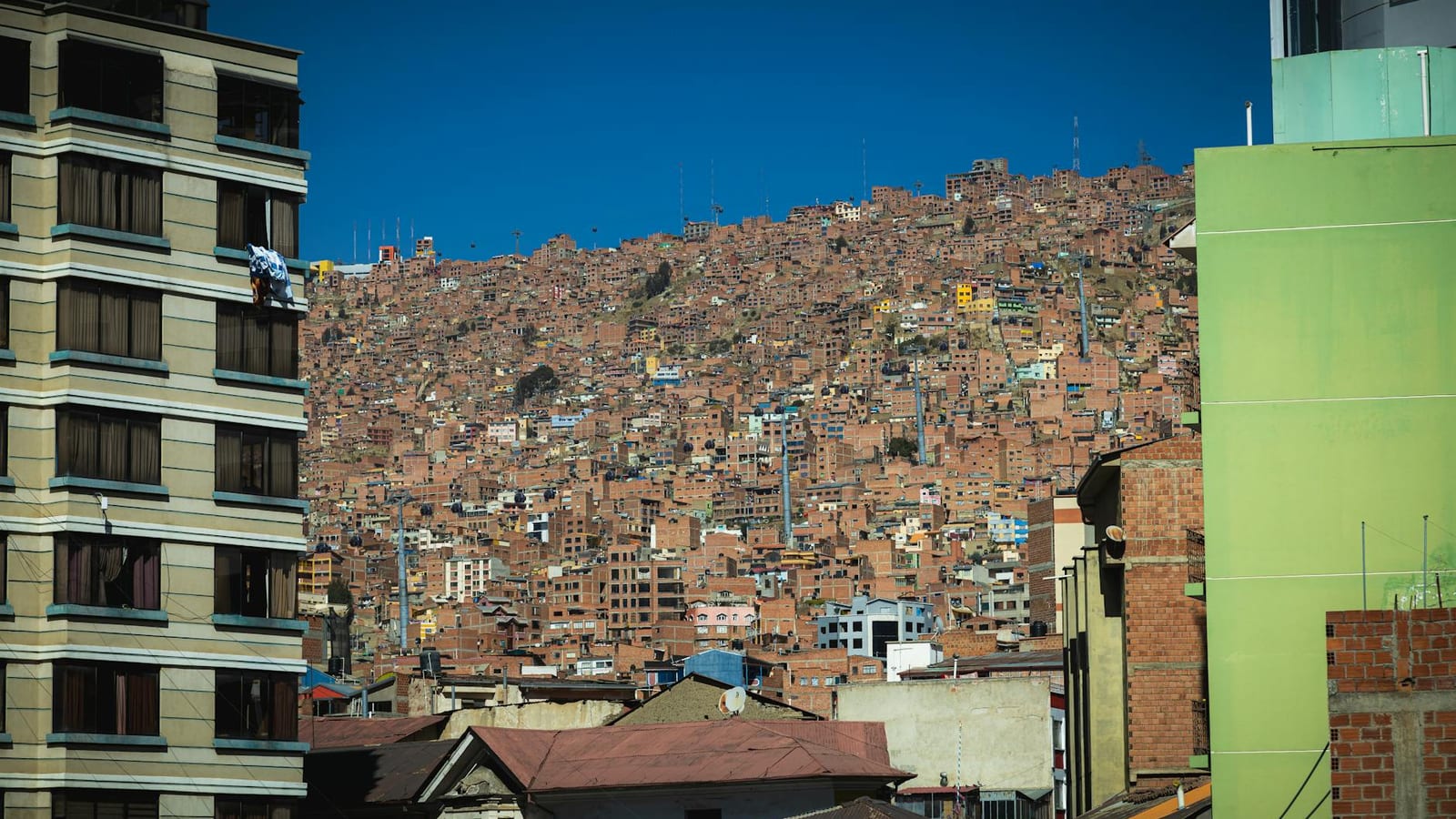
A capital city can feel very far from a crisis, until the roads shut and food starts thinning out.
That is where Bolivia now stands. After more than two weeks of strikes and protests, La Paz has been cut off by road blockades. Transport has stopped in parts of the capital. Supplies have started to run short.
For Indians, this may sound distant. It is not. Bolivia sits in a part of the world rich in minerals, politics, and anger over inequality. When such countries shake, the effects travel through commodity markets, diplomacy, and the global race for resources.
Paz faces anger within months
Rodrigo Paz won power in October 2025 on a clear promise. He said he would tackle Bolivia’s economic crisis. Six months later, that crisis has turned into a test of his survival.
The protests began with demands that many Indians will recognise instantly. Workers wanted higher wages. Sector groups wanted relief. Teachers, miners, transport workers, peasants, and indigenous organisations joined the movement.
But protests have a habit of changing shape when anger deepens. What began as a demand for better pay has now grown into a call for Paz to resign.
That is a sharp turn for any elected leader. It is even sharper for a president who arrived with the mandate to repair the economy. People usually give new governments some time. In Bolivia, that patience appears to be running out.
Roads blocked, capital squeezed
The immediate pressure point is La Paz, Bolivia’s seat of government. Road blockades on routes into the capital have disrupted movement and supplies.
For ordinary people, this is where politics becomes personal. A strike is not just a slogan when buses stop. A blockade is not abstract when food prices rise or shop shelves empty.
The Bolivian government has opened a humanitarian corridor to keep essential food moving. That tells us the situation has moved beyond routine street politics.
Over the weekend of May 16, security forces tried to clear roads and public spaces. The clashes that followed left several people injured by Monday, May 19. Authorities arrested around 100 people.
The numbers matter, but the mood matters more. Once arrests begin and crowds harden, both sides find it harder to step back without looking weak.
Inflation is driving the rage
Bolivia’s anger sits inside a bigger economic squeeze. The country faces high inflation and a serious economic crisis.
Inflation is a simple word with a cruel effect. It means the same salary buys less each week. For a bus driver, a teacher, or a small trader, that can break a household budget fast.
This is why wage demands often become political demands. When people feel the state cannot protect their daily life, they stop arguing about rates and start questioning rulers.
India has seen softer versions of this pressure too. When food, fuel, or transport costs rise, public patience shrinks. Voters may not use the language of macroeconomics. But they know when a kitchen budget has snapped.
Bolivia’s case is more severe because organised social groups carry deep political weight there. Peasant and indigenous organisations are not side players. They have shaped national politics for years.
That makes Paz’s challenge different from a normal law-and-order problem. He is not facing one union or one city protest. He is facing a wide social front.
Force could change everything
So far, Paz has avoided the harshest option. His government has ordered security forces not to use firearms. He has also ruled out a state of siege for now.
That restraint matters. In a country with angry crowds and blocked roads, one fatal incident can change the entire story.
But Paz also faces pressure from the right. Some groups want him to restore order with greater force. They argue that the state cannot allow the capital to be cut off.
This is the classic trap for leaders in crisis. If Paz waits too long, opponents call him weak. If he cracks down, he risks turning an economic protest into a national uprising.
For India, the lesson is familiar. Street power and elected power often collide when inflation rises. The ballot gives a leader authority. The street tests whether that authority still carries trust.
Bolivia is now in that dangerous middle zone. The government still holds office. But the protesters have shown they can choke the routes into power.
Why India should watch Bolivia
At first glance, Bolivia may seem like a small country far from India’s main concerns. That would be a lazy reading.
South America matters more to India than our public debate admits. The region has energy, food, minerals, and growing diplomatic room. India has been trying to widen ties beyond its usual partners.
Bolivia also sits on vast lithium resources. Lithium goes into batteries, electric vehicles, and clean energy storage. India wants all three as it pushes electric mobility and energy security.
That does not mean every protest in Bolivia will hit Indian consumers tomorrow. But political instability can slow projects, delay contracts, and make foreign companies nervous.
For Indian businesses, the message is simple. Resource-rich countries often carry political risk. A mineral deal is never only about geology. It also depends on wages, local communities, roads, and trust in government.
There is also a wider geopolitical point. Western countries often read such unrest as a domestic law-and-order problem. Emerging powers should read it as a warning about the social cost of economic stress.
When governments ask citizens to bear pain during a crisis, they need credibility. Without that, even a new president can look old within months.
Paz still has room to pull back from the edge. Talks with social groups, a clear relief plan, and restraint by police could cool the streets. But each passing day makes compromise harder.
For ordinary readers in India, Bolivia’s crisis offers a blunt reminder. Inflation is never just a number on a government chart. It enters kitchens, buses, classrooms, and mines. If leaders fail to see that early, the road to the capital can close very quickly.