WHO Says Pandemic Toll Reached 22.1 Million Excess Deaths
WHO estimates COVID-19 and disrupted health systems were linked to 22.1 million excess deaths from 2020 to 2023, far above global official counts.
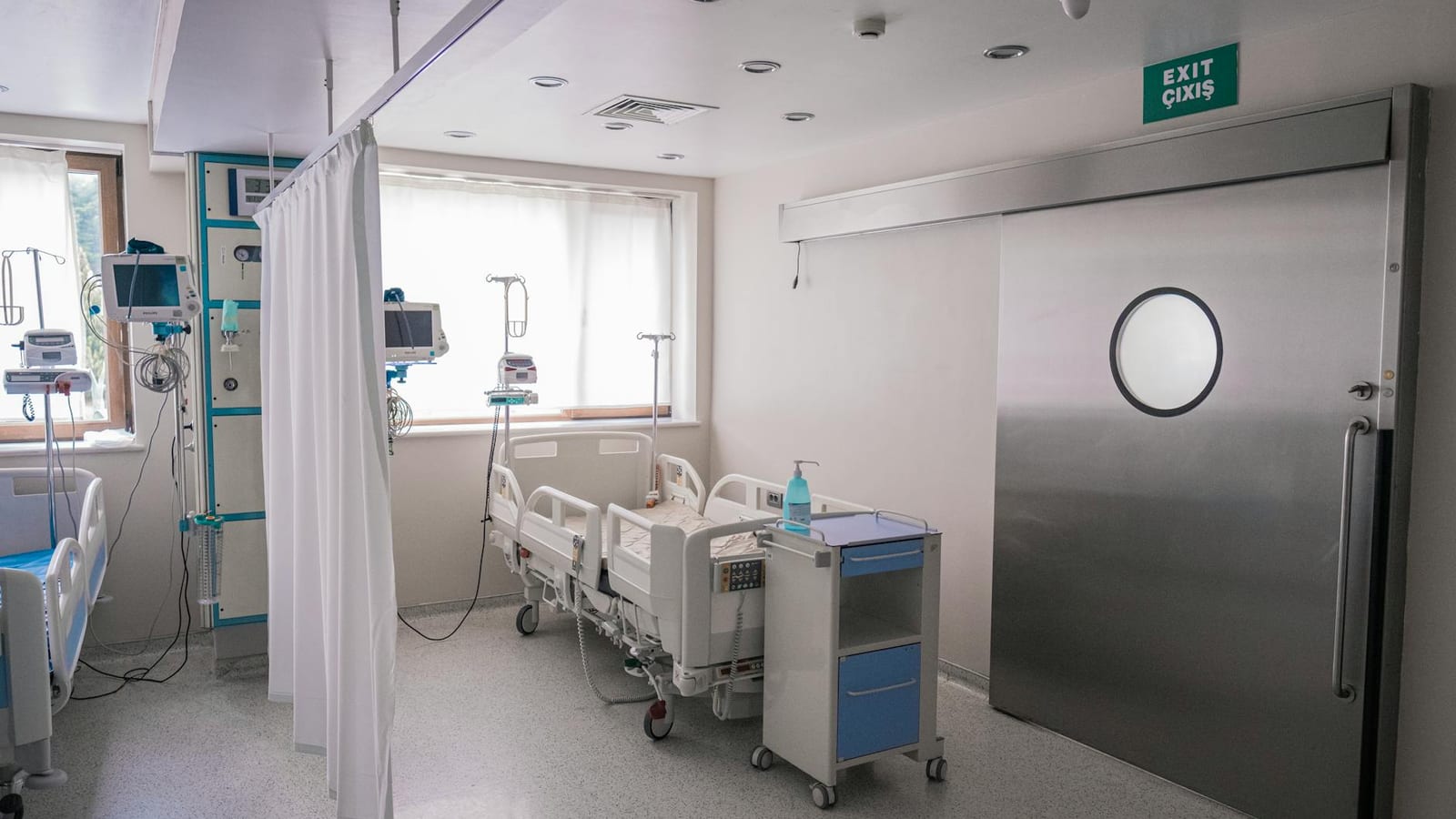
Twenty-two million is not a number. It is a crowd of missing grandparents, parents, workers, patients, and neighbours.
The World Health Organization now estimates that COVID-19 and its wider damage were linked to about 22.1 million excess deaths between 2020 and 2023. Official national reports counted about 7 million COVID deaths in that period.
That gap tells us something uncomfortable. The pandemic did not only kill people with the virus. It also killed people when hospitals overflowed, care got delayed, and health systems ran out of breath.
Why the death count changed
WHO’s latest World Health Statistics 2026 assessment uses a measure called “excess deaths”. Put simply, it compares actual deaths with the number expected in normal years.
That matters because official COVID counts often missed people. Some never got tested. Some died at home. Some died from heart disease, cancer, diabetes, or kidney failure after treatment got delayed.
WHO includes both direct and indirect pandemic deaths in this estimate. Direct deaths mean people died from COVID infection itself. Indirect deaths mean the crisis around COVID pushed other patients into danger.
Anyone in India who lived through 2021 understands this difference. The question was not only whether someone had the virus. It was whether oxygen, beds, ambulances, doctors, and time were available.
For families, this distinction may feel cold. A death certificate may carry one cause. But the lived story often carried several causes at once.
2021 was the deadliest year
WHO says 2021 was the worst year of the pandemic, with about 10.4 million excess deaths globally. That was the period when more transmissible variants spread fast.
By then, the virus had learned how to move through societies faster. Health systems, already tired from 2020, faced a much heavier load.
For ordinary people, this showed up in very practical ways. Appointments vanished. Surgeries got postponed. Cancer checks got delayed. Pregnant women struggled to find safe care in many places.
The danger was not evenly shared. WHO says older people faced far higher death rates. Those aged 85 and above had around 10 times the excess death rate seen in younger groups.
That is not surprising medically. Age weakens the body’s reserves. Conditions like diabetes, heart disease, lung disease, and weak immunity make severe infection harder to survive.
Men also accounted for more COVID deaths than women, according to WHO’s analysis. Doctors have long seen this pattern across many countries, though biology and behaviour may both play a role.
Hospitals carried the hidden toll
The most painful part of this estimate is the invisible column. These were deaths that may not sit neatly under COVID, yet still belonged to the pandemic years.
Think of a patient with chest pain who reached late. Think of a dialysis patient whose routine care broke down. Think of an elderly person who avoided hospital because the family feared infection.
These are not dramatic headlines. They are the quiet failures that happen when a system gets flooded.
WHO’s point is not that every delayed treatment death was directly caused by COVID. Its point is that a pandemic changes the whole risk map. It makes ordinary illness more dangerous.
This is why excess death data matters. It catches the burden that official case numbers miss. It also helps governments see which services collapsed first.
For World Health Statistics 2026, the lesson is wider than COVID. A health system cannot prepare only for the disease in front of it. It must keep routine care alive during a crisis.
That means cancer treatment, maternity care, emergency surgery, heart care, and vaccination cannot simply pause. When they do, the bill arrives months later.
Bad data costs lives
WHO has also warned about a basic but serious problem. Many countries still do not record deaths quickly or properly.
Some deaths never enter a reliable register. Some get registered without a clear medical cause. Some countries lack timely systems that tell officials what is happening on the ground.
WHO says only a minority of countries report mortality data fast enough for quick decisions. It also says many still lack good cause-of-death information.
This sounds bureaucratic, but it is deeply human. If a government does not know who is dying, where, and why, it cannot respond well.
During a pandemic, late data is almost like no data. Hospitals need oxygen before the shortage peaks. Districts need staff before wards break. Families need warnings before risk becomes visible.
For India, the lesson is clear. Death registration, medical certification, and local health reporting are not clerical chores. They are public health tools.
A strong death registry will not save a patient by itself. But it tells the system where patients are being lost. That is the first step toward stopping the next wave of loss.
What families should take away
This WHO estimate should not push people into panic. COVID is no longer the same emergency it was in 2020 and 2021. Vaccines, prior infection, treatment, and better awareness have changed the picture.
But the virus has not become irrelevant. Older adults and people with serious health conditions still need care, especially during surges.
The practical advice remains simple. Stay updated on vaccines if your doctor recommends them. Do not ignore breathlessness, chest pain, confusion, or sudden weakness. Seek care early.
For families with elderly members, the larger lesson is planning. Keep medicines stocked. Track appointments. Do not delay treatment for chronic illnesses unless a doctor advises it.
The pandemic also taught us that public health is not only about hospitals. It depends on clean data, trusted communication, local clinics, and families who can act early.
Twenty-two million excess deaths is a hard number to absorb. But it should leave one clear message for ordinary readers: the next health crisis will not wait for perfect systems. We have to build them before fear returns to the waiting room.
This article is for informational purposes only and does not substitute medical advice. Consult a qualified physician for any health concern.
This article is for informational purposes only and does not substitute medical advice. Consult a qualified physician for any health concern.