WHO Says Pandemic Death Toll Was Three Times Official Count
WHO estimates COVID-19 caused 22.1 million excess deaths from 2020 to 2023, showing how overwhelmed health systems hid the pandemic's toll.
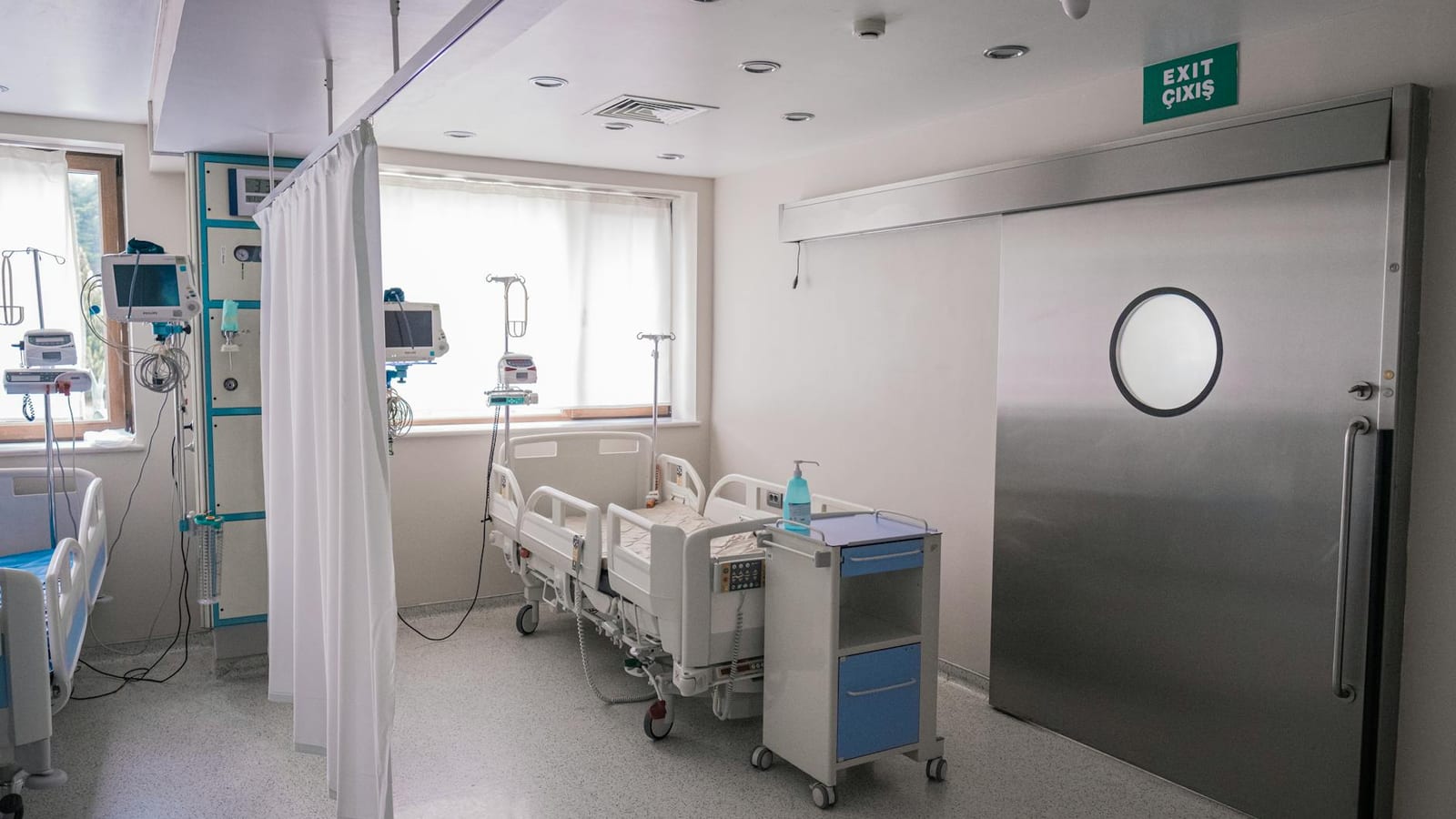
Twenty-two million is not a statistic. It is a warning with names missing from it.
The World Health Organization now estimates that the COVID-19 pandemic caused about 22.1 million excess deaths worldwide between 2020 and 2023. Governments officially reported roughly 7 million COVID deaths during that period.
That gap tells us something uncomfortable. The pandemic did not only kill people who tested positive. It also killed people who could not reach oxygen, dialysis, cancer care, heart treatment, or an ICU bed in time.
The real toll looks larger
The WHO’s World Health Statistics 2026 report uses a measure called “excess deaths”. Put simply, it compares how many people died during the pandemic with how many would usually die in normal years.
This matters because official COVID counts missed many deaths. Some people died without testing. Some died at home. Some death certificates did not record COVID as the cause.
Then there were the indirect deaths. Hospitals overflowed. Doctors and nurses fell sick. Ambulances arrived late. Lockdowns broke routine care for millions of people.
For Indian families, this is not an abstract idea. Many remember the second wave of 2021 through phone calls, medicine searches, oxygen queues, and hurried hospital visits. The numbers now put a global frame around that lived memory.
Why 2021 hurt so badly
The WHO estimates that 2021 was the deadliest pandemic year, with about 10.4 million excess deaths worldwide. That was the year faster-spreading variants ripped through many countries.
By then, people understood masks, isolation, and oxygen support better than in 2020. But the virus had also become more efficient at finding the vulnerable.
Vaccines had begun to arrive, yet access stayed uneven. Richer countries moved faster. Poorer countries waited longer. Even within countries, cities often got services before smaller towns and villages.
That delay mattered. For an elderly patient with diabetes or heart disease, even a few days can change the outcome. COVID does not attack only the lungs. It can strain the heart, disturb blood clotting, and push weak organs over the edge.
Doctors saw that pattern again and again. A patient may have entered hospital with COVID pneumonia. But the final collapse could involve the heart, kidneys, or a severe infection picked up during a long hospital stay.
Men and the elderly suffered more
The WHO says men accounted for more COVID-linked deaths than women. The reasons can vary by country, job exposure, smoking levels, existing illness, and health-seeking behaviour.
Age made an even sharper difference. People aged 85 and above faced around ten times the death rate seen among younger groups, the WHO found.
That fits what clinicians saw on the ground. Older people often carry several illnesses at once. Diabetes, heart disease, lung problems, kidney disease, and weak immunity all reduce the body’s spare capacity.
Think of it like this. A healthy body has some reserve during a crisis. An older body with chronic illness may already run close to its limit. A severe infection then leaves very little room for recovery.
This is why one family member could get fever for three days, while another needed oxygen. Same virus, very different body.
Counting deaths is public health
The WHO also warns that many countries still do not record deaths properly or quickly. That sounds like a paperwork issue. It is not.
When a country cannot count deaths well, it cannot respond well. Health officials need to know who is dying, where, and why. Otherwise, they plan with blurred vision.
A death registry is not just a government file. It helps decide where hospitals need beds. It shows whether heart disease, infection, pollution, or road injuries are rising. It also tells families the truth.
India knows this challenge well. Big cities may record deaths faster. Rural areas can struggle with certification, testing, and cause-of-death records. During a fast-moving outbreak, those gaps widen.
The lesson is simple. You cannot manage a health emergency only through daily case bulletins. You also need strong local data, honest reporting, and doctors trained to certify deaths clearly.
The pandemic is still teaching
The WHO data does not mean every excess death came directly from the coronavirus. Some came from the pressure the pandemic placed on health systems and society.
That distinction matters. It keeps the conversation honest. It also stops us from reducing the pandemic to one narrow count.
A person who missed cancer treatment during lockdown belongs in this story. So does a heart patient who delayed care because hospitals looked risky. So does an elderly patient whose family could not arrange timely transport.
Public health often fails quietly before it fails loudly. It fails when routine care becomes hard. It fails when a patient must call ten hospitals. It fails when families need personal contacts to find a bed.
The next pandemic may not look like COVID. It may spread differently. It may hit children, the elderly, or working adults in another pattern. But the core preparation remains the same.
Countries need faster death registration, stronger primary care, cleaner hospital data, and clear public communication. They also need surge capacity, which means extra beds, oxygen, staff, and medicines ready before panic begins.
For ordinary readers, the takeaway is not fear. It is memory with purpose. COVID showed that health systems are not built only for rare disasters. They are tested every day, by every patient who needs care on time.
The 22.1 million figure should make governments uneasy. It should also make families more alert about vaccination, chronic disease care, and early treatment. The real tribute to those lost is not another anniversary speech. It is a health system that counts every life, and reaches the next patient sooner.
This article is for informational purposes only and does not substitute medical advice. Consult a qualified physician for any health concern.
This article is for informational purposes only and does not substitute medical advice. Consult a qualified physician for any health concern.