Three Dead as WHO Tracks Rare Hantavirus on Atlantic Cruise Ship
Eight people contracted the rare Andes hantavirus on a cruise ship in the Atlantic, with three dead and the WHO tracing passengers globally.
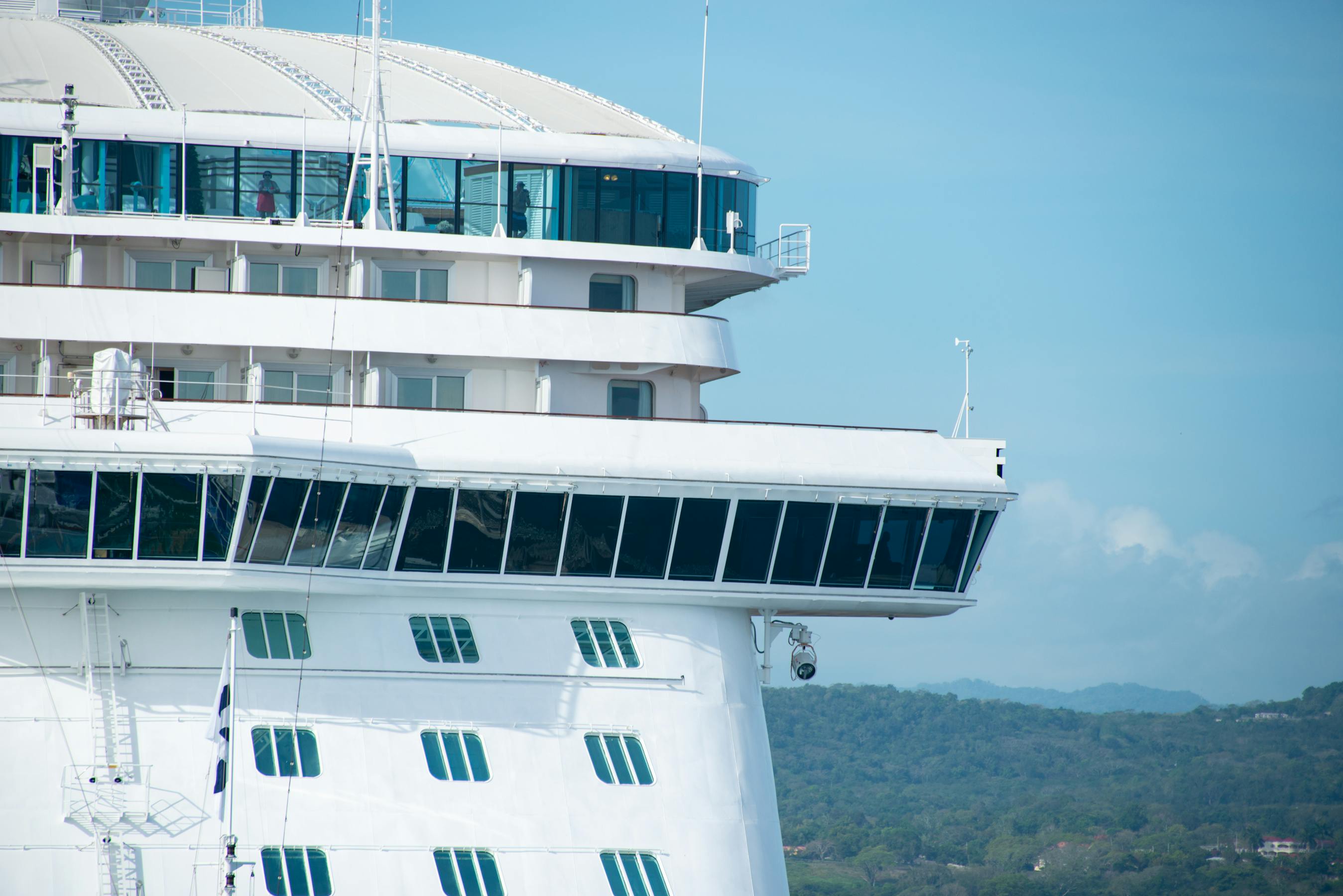
Three people on a cruise ship in the Atlantic were dead from a virus most doctors rarely see in a lifetime. Then came a fourth case, tracked down via email to a man now hospitalized in Zurich.
The MV Hondius, a Dutch-flagged expedition cruise ship, is sitting anchored off the coast of Cape Verde while the World Health Organization coordinates what could become one of the most geographically complex contact-tracing operations of recent years. The virus in question is hantavirus, specifically a rare variant called the Andes strain. And what makes officials genuinely worried is a feature that sets it apart from almost every other strain in the hantavirus family: it can pass from one person to another.
Most hantavirus strains cannot do that. This one can.
The WHO confirmed an eighth case on May 6, 2026, a Swiss passenger who had been on the ship and later flew home. Swiss health authorities traced him after the cruise line sent an email to passengers who had been onboard. He responded. Tests confirmed the Andes variant. He is now receiving care at a hospital in Zurich.
Before his case, seven people had tested positive onboard the MV Hondius. Three of them died.
The WHO is now activating global contact tracing under the International Health Regulations, the framework that governs how countries cooperate during cross-border disease events. The goal is straightforward: find everyone who may have been exposed, get them into monitoring, and stop any further spread before cases scatter across countries.
The challenge is also straightforward: people who sail on expedition cruises are typically tourists from multiple countries. They get on a ship, share enclosed spaces for days, then fly home to a dozen different cities. Tracking them down requires governments in multiple countries to coordinate quickly and accurately.
What exactly is hantavirus, and why does 40% matter?
Hantavirus was first identified in the 1970s near the Hantan River in South Korea, which is where the name comes from. Since then, cases have been documented across many parts of the world, though they remain relatively rare.
The virus lives in rodents, primarily mice and rats. It spreads to humans through contact with the animals’ urine, feces, or saliva, most often when microscopic particles become airborne in enclosed spaces and someone breathes them in. Direct contact with contaminated surfaces, accidental ingestion, or a bite from an infected rodent can also transmit it.
In humans, hantavirus causes two distinct syndromes. One primarily attacks the kidneys. The other, the more dangerous form, attacks the lungs. This second form is called Hantavirus Pulmonary Syndrome. It is the one responsible for the roughly 40% fatality rate cited by health authorities, including the WHO.
To put that number in perspective: that is a fatality rate higher than many of the pathogens that trigger global health alerts. Ebola outbreaks have ranged from 25% to 90% depending on the strain and setting, but those are rare, contained, and well-known. Hantavirus is rarer still in public consciousness, which makes the Hondius outbreak all the more striking.
There is no specific antiviral treatment approved for hantavirus. Doctors manage symptoms, support organ function, and try to keep patients alive long enough for their own immune systems to mount a response. Early intensive care makes a meaningful difference in survival odds.
Why the Andes strain is different
Most hantavirus strains cannot spread from person to person. That is precisely why outbreaks have historically remained limited in scope. You had to come into contact with rodents or their waste, which kept transmission chains short.
The Andes strain, which circulates primarily in South America, is the exception. Evidence from outbreak investigations in South America has shown it can transmit between close contacts, likely through respiratory secretions. That changes the risk calculus significantly on a cruise ship, where passengers and crew share dining areas, cabins, corridors, and ventilation systems over extended periods.
The WHO was careful in its public communications not to overstate the risk. The current evidence from the MV Hondius suggests the cluster originated from a shared source, possibly rodent exposure in a port or onboard storage area, rather than a chain of person-to-person transmission. But the Andes variant’s known capability means authorities are not taking chances.
Early data from the ship is still being analyzed. The question of whether any of the eight confirmed cases represent human-to-human transmission is one investigators are actively examining.
What happens next
Three people from the ship, two crew members and one other person, were evacuated from the vessel as of May 6. Evacuation from a ship anchored off Cape Verde, a West African island nation in the Atlantic, requires logistical coordination between the ship’s management, Cape Verde’s health authorities, and whatever country the patient is being transferred to.
The passengers who have already dispersed to their home countries present a different challenge. The WHO’s contact tracing effort involves identifying every person who may have had close contact with confirmed cases during the relevant exposure window, which for hantavirus can be up to three weeks before symptoms appear. Infected individuals can feel fine during much of that window, which is exactly why the Swiss case was caught through a proactive email rather than through the man presenting at a hospital with symptoms.
Anyone who was on the MV Hondius during the relevant period and develops fever, fatigue, severe muscle aches, headaches, nausea, or abdominal pain should seek medical attention immediately and tell their doctor about their time onboard. Symptoms typically appear two to three weeks after exposure. What starts as what feels like a severe flu can, within days, progress to coughing, serious breathing difficulties, and cardiovascular complications.
The window for medical intervention matters enormously. Patients who reach intensive care early, before the lungs are overwhelmed, have meaningfully better outcomes than those who wait.
For ordinary people, the immediate takeaway is simple: if you have traveled on the MV Hondius recently, follow any guidance the cruise line or your national health authority sends you. Do not ignore an email asking you to get tested.
For the broader public health picture, the Hondius outbreak is a reminder of how efficiently modern travel turns a localized event into a multi-continent problem. A ship carrying passengers from dozens of countries, docked briefly at several ports, infected with a pathogen that can spread between people: that is precisely the scenario that international health frameworks exist to manage.
The WHO and national health agencies are doing what they are designed to do. Whether they have reached everyone in time is a question the next few weeks will answer.
This article is for informational purposes only and does not substitute medical advice. Consult a qualified physician for any health concern.
This article is for informational purposes only and does not substitute medical advice. Consult a qualified physician for any health concern.