Sushi Parasite Scare Raises Raw Seafood Safety Risks
A Hong Kong sushi scare highlights why diners should check raw seafood sourcing, freezing and hygiene before eating raw or lightly cooked fish.
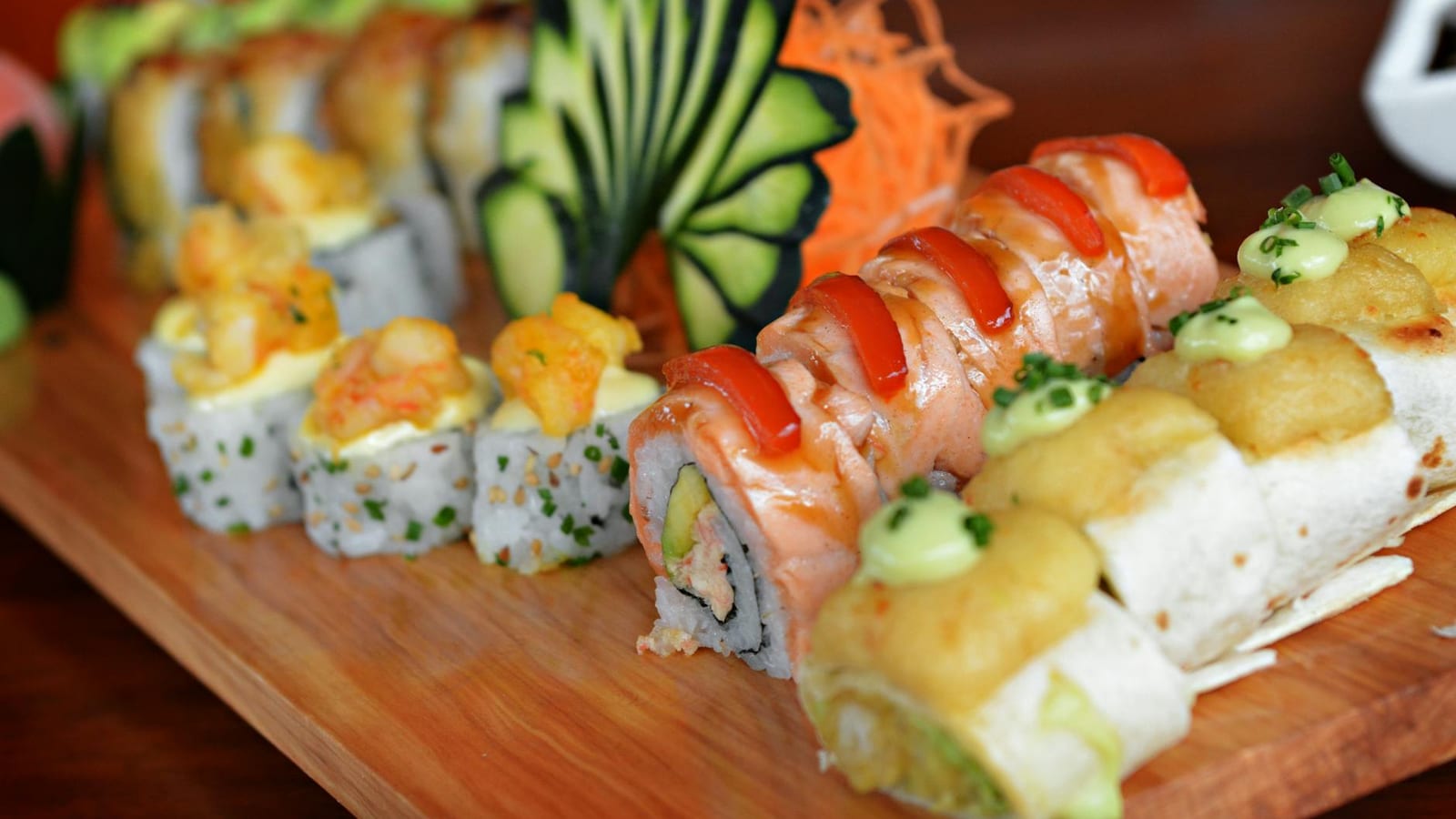
A diner in Hong Kong lifted a phone to photograph sushi and spotted something no restaurant wants on the table, a possible parasite.
That small, unpleasant moment has travelled far because sushi now feels familiar in Indian malls, airports, delivery apps, and five-star buffets. Raw fish no longer looks exotic to many urban diners. It looks like Friday dinner.
The important question is not whether sushi is scary. It is simpler. What should ordinary people know before eating raw or lightly cooked seafood?
A sushi scare travels fast
The available account says the customer noticed a parasite-like object in sushi at a Japanese restaurant in Hong Kong. It does not identify the exact organism. It also does not say whether the diner became ill.
That matters because food scares often move faster than medical facts. A worm-like object in fish can look dramatic. But the real health risk depends on the fish, handling, storage, and whether the parasite was alive.
CDC says anisakiasis can happen when people eat raw or undercooked marine fish carrying certain worm larvae. These larvae can attach to the stomach or intestine lining.
In plain English, the worm does not quietly live in the body for years. It usually irritates the gut quickly. People may feel stomach pain, nausea, vomiting, or diarrhoea.
Some people can also get allergic reactions. That can range from itching to more serious symptoms. Anyone with breathing trouble or swelling needs urgent care.
Raw fish needs strict handling
Sushi depends on trust. The diner cannot inspect the supply chain from boat to plate. They trust the chef, the supplier, the cold chain, and the regulator.
The FDA says some fish can carry parasites, and proper freezing can kill parasites that may be present. Cooking also kills them. Raw service removes that final safety step.
That is why good sushi restaurants do not just buy fish and slice it. They need fish meant for raw service. They also need temperature control, clean preparation areas, and trained staff.
The Centre for Food Safety in Hong Kong says raw aquatic foods can carry harmful bacteria and parasites. It also says restaurants there need proper permission to make and sell sushi and sashimi.
This is the part Indian diners should note. The danger is not only the fish. It is also the kitchen.
A raw fish counter beside warm food, poor hand hygiene, or weak refrigeration can turn a premium meal into a stomach bug. The garnish, chopping board, and knife also matter.
What symptoms should diners watch
If someone eats suspicious raw fish, panic does not help. Watch the body instead.
CDC guidance says symptoms of anisakiasis can include abdominal pain, nausea, vomiting, bloating, diarrhoea, blood or mucus in stool, and mild fever. These signs can appear within hours.
Sometimes symptoms take longer. If a larva reaches the intestine, it may cause pain days later. Doctors may then confuse it with other stomach or bowel problems.
That is why the food history matters. If you recently ate raw fish, tell the doctor clearly. Do not assume it is ordinary acidity or food poisoning.
Most people think of parasites as a rural sanitation problem. Raw seafood changes that picture. A young professional eating sushi in a city restaurant can face a different kind of exposure.
This does not mean every sushi meal is risky. It means raw food leaves less room for error. Heat is a powerful safety tool. Sushi chooses taste and texture over that tool.
India’s sushi habit is growing
Indian food habits have changed quickly. A decade ago, sushi was mostly a luxury hotel item. Now it appears in delivery menus across major cities.
That growth brings opportunity for restaurants. It also brings responsibility. A sushi business cannot run on good plating alone.
For a family ordering sushi at home, delivery adds another concern. Raw seafood should not sit warm in traffic. Once temperature control breaks, bacteria get their chance.
Pregnant women, elderly people, young children, and people with weak immunity need extra caution. For them, raw seafood is a bigger gamble.
Doctors often advise such groups to choose cooked options. That can mean tempura rolls, cooked prawns, grilled fish, or vegetarian sushi.
For healthy adults, the practical advice is not dramatic. Eat at places with clear hygiene standards. Avoid raw fish from doubtful outlets. Do not treat heavy discounts on raw seafood as harmless.
At home, do not assume a normal freezer makes fish safe for sushi. Commercial parasite control follows specific temperature and time rules. Domestic freezers may not reliably do that.
The real lesson for diners
The Hong Kong incident has one useful effect. It reminds diners that raw food is never just about taste.
A restaurant may look spotless from the dining table. The real safety work happens out of sight. It happens in sourcing, freezing, storage, and staff discipline.
Regulators also need to keep pace with changing menus. When urban India adopts global foods, inspection systems must understand those foods too.
For ordinary readers, the takeaway is calm caution. Sushi is not poison. But it is not pakora either. One relies on heat. The other relies on an invisible chain of care.
That chain must hold at every step. When it does, diners enjoy a clean meal. When it breaks, a tiny parasite can become the most memorable thing on the plate.
This article is for informational purposes only and does not substitute medical advice. Consult a qualified physician for any health concern.
This article is for informational purposes only and does not substitute medical advice. Consult a qualified physician for any health concern.