Sports injury care shifts to scans and guided rehab
Indian athletes are seeing faster sports injury recovery as doctors use early scans, keyhole surgery and guided rehab to reduce repeat damage.
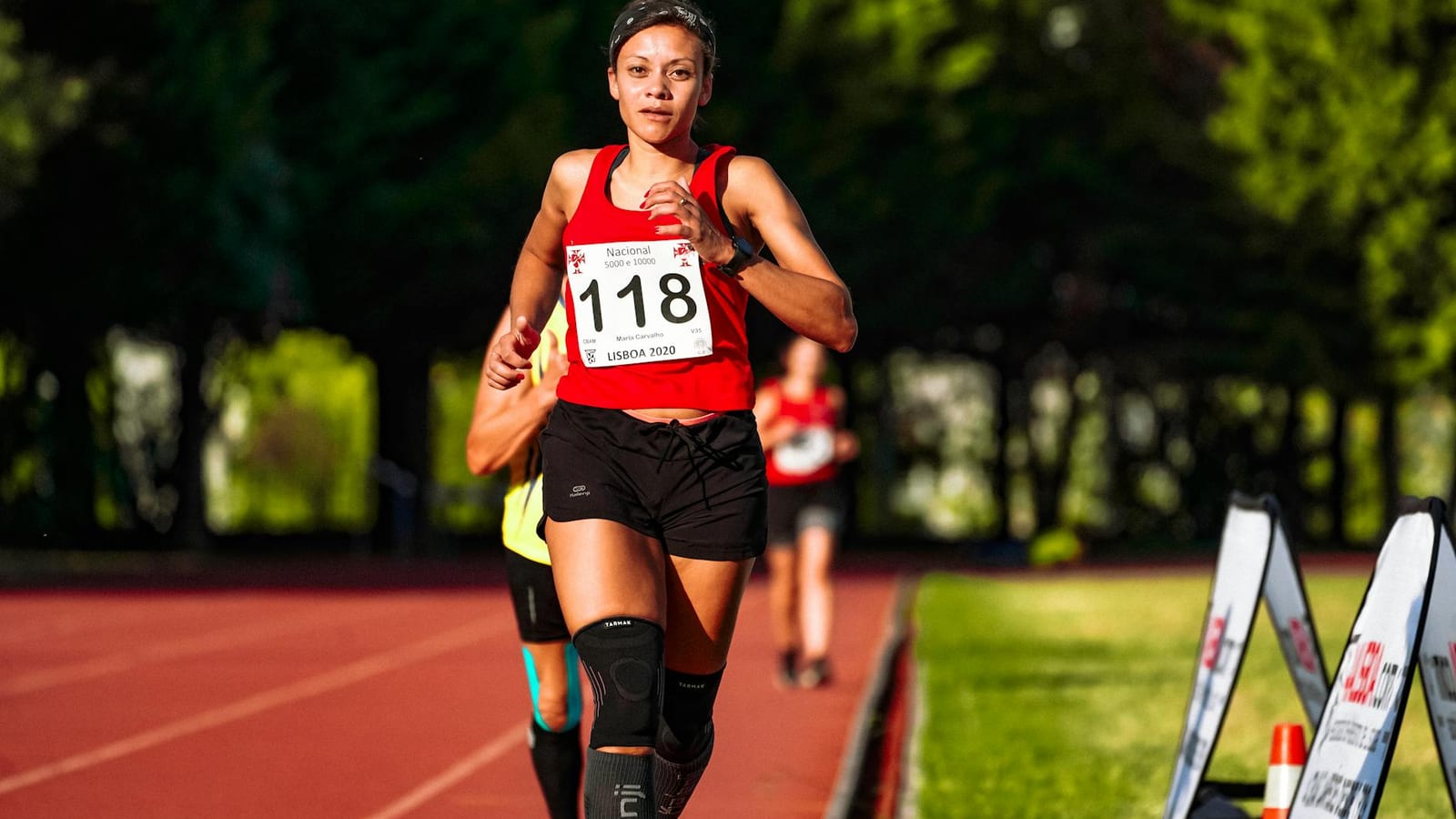
A twisted knee on a football turf can look harmless at first. Then comes the swelling, the limp, and the quiet fear every athlete knows too well.
For India’s growing army of weekend cricketers, gym regulars, runners, and young academy players, sports injury treatment is no longer only about painkillers and rest. Doctors now use scans, keyhole surgery, guided rehab, and selected newer therapies to help people return safely.
But there is a catch. Faster treatment does not mean careless treatment. The real shift in 2026 is not magic medicine. It is earlier diagnosis, cleaner surgery, smarter rehabilitation, and fewer heroic mistakes.
Knee injuries need quick attention
The ACL, or anterior cruciate ligament, sits inside the knee. Think of it as one of the strong ropes that keeps the knee stable when you turn, stop, or land.
When it tears, the knee may buckle during running or sport. Many players describe a pop, swelling, and a sudden loss of confidence in the joint.
Doctors also see meniscus tears often. The meniscus is the shock absorber inside the knee. It helps spread body weight across the joint. When it tears, the knee can lock, catch, or hurt during squats and stairs.
The medical director of ABC Orthopaedic Hospital in Manjeri has highlighted these injuries as among the most common in active people. He also points to ankle sprains, tennis elbow, and rotator cuff tears as regular trouble spots.
That matters because people often underplay early pain. A student athlete may hide it to stay in the team. A gym-goer may train through it. A working professional may avoid a doctor because rest feels costly.
That delay can turn a small injury into a long battle. In knees and shoulders, poor healing can change how the joint moves. Over time, that can damage cartilage and raise the risk of chronic pain.
New treatments are not magic
Modern sports injury treatment now includes regenerative therapy in selected cases. The best-known option is PRP, short for platelet-rich plasma.
In simple terms, doctors take a patient’s blood, process it, and inject a concentrated part back near the injury. Platelets carry growth signals that may support healing. This does not rebuild a torn ligament like a new rope overnight.
It may help some tendon and soft-tissue problems. It may reduce pain in certain patients. But results vary by injury, technique, and patient selection.
Stem cell therapy also gets attention. It uses cells with the ability to support repair processes. But patients should treat big claims with caution. In many sports injury conditions, the evidence still remains mixed or developing.
That is the practical point families must remember. Newer does not always mean better. A good sports injury specialist will first ask what exactly is damaged, how badly, and what the patient needs to return to.
For example, a casual walker with mild tendon pain does not need the same plan as a state-level footballer with knee instability. Treatment must fit the person, not the brochure.
Keyhole surgery changes recovery
When surgery becomes necessary, doctors now often use arthroscopy. People call it keyhole surgery because surgeons work through small cuts.
A tiny camera goes into the joint. Surgical instruments pass through other small openings. This lets the surgeon see the damaged area clearly and repair it with less disturbance to surrounding tissue.
For ACL injuries and meniscus tears, arthroscopy has changed recovery in a big way. Patients usually face smaller wounds and less blood loss than older open surgeries. They may also begin guided movement earlier, under medical supervision.
But surgery is only the first chapter. The knee does not become match-ready because the stitches heal. Muscles around the joint must regain strength. Balance must return. The brain must trust the knee again.
That is where rehabilitation decides the result. Physiotherapy trains the body to move correctly again. It also lowers the chance of repeat injury.
Robotic and computer-assisted navigation now support some complex ligament reconstruction cases. These tools help surgeons plan angles and placement more precisely. Still, no machine removes the basic risks of surgery.
A sensible patient should ask simple questions. What injury do I have? Do I need surgery? What happens if I wait? How long is rehab? What are the risks? These questions often reveal the quality of the treatment plan.
First aid still matters most
Before the MRI, before the injection, before the operation theatre, the first few hours matter.
Doctors often recommend the PRICE method after a fresh sports injury. Protect the injured part. Rest it. Apply ice. Use compression with a bandage. Keep it elevated.
This sounds basic, almost too basic. Yet it can reduce swelling and prevent further damage. For an ankle sprain or knee twist, it buys time until a proper medical assessment.
Ice should not go directly on the skin. Wrap it in a cloth and use it for short periods. Tight bandages should not cut off blood flow. If the foot feels numb, cold, or blue, loosen the wrap and seek help.
Red flags need urgent attention. Severe swelling, visible deformity, inability to bear weight, repeated knee buckling, or pain that worsens over days should not wait.
The same is true for shoulder injuries. A rotator cuff tear can make lifting the arm painful or weak. Tennis elbow can make even gripping a cup or turning a doorknob uncomfortable.
For ordinary Indians, the issue is not only sport. It is work, travel, stairs, sleep, and household routines. A knee injury can affect office attendance. A shoulder injury can disturb driving, cooking, or caring for a child.
That is why sports injury treatment has become a wider health story. India is exercising more, playing more, and joining more fitness programmes. Injuries will rise with that culture. The answer is not fear. It is better awareness.
The smartest approach is boring but powerful. Warm up properly. Build strength gradually. Do not copy elite athletes blindly. Use good footwear. Respect pain that changes movement.
Modern medicine can do a lot today. It can repair ligaments, guide recovery, and help many athletes return to form. But the biggest win still comes from acting early, choosing evidence over hype, and treating rehab as seriously as the treatment itself.
This article is for informational purposes only and does not substitute medical advice. Consult a qualified physician for any health concern.
This article is for informational purposes only and does not substitute medical advice. Consult a qualified physician for any health concern.