Sports Injury Care Shifts to Less Invasive Recovery
Doctors are using less invasive sports injury treatments to help patients with knee, ankle, shoulder and ligament damage recover safely and sooner.
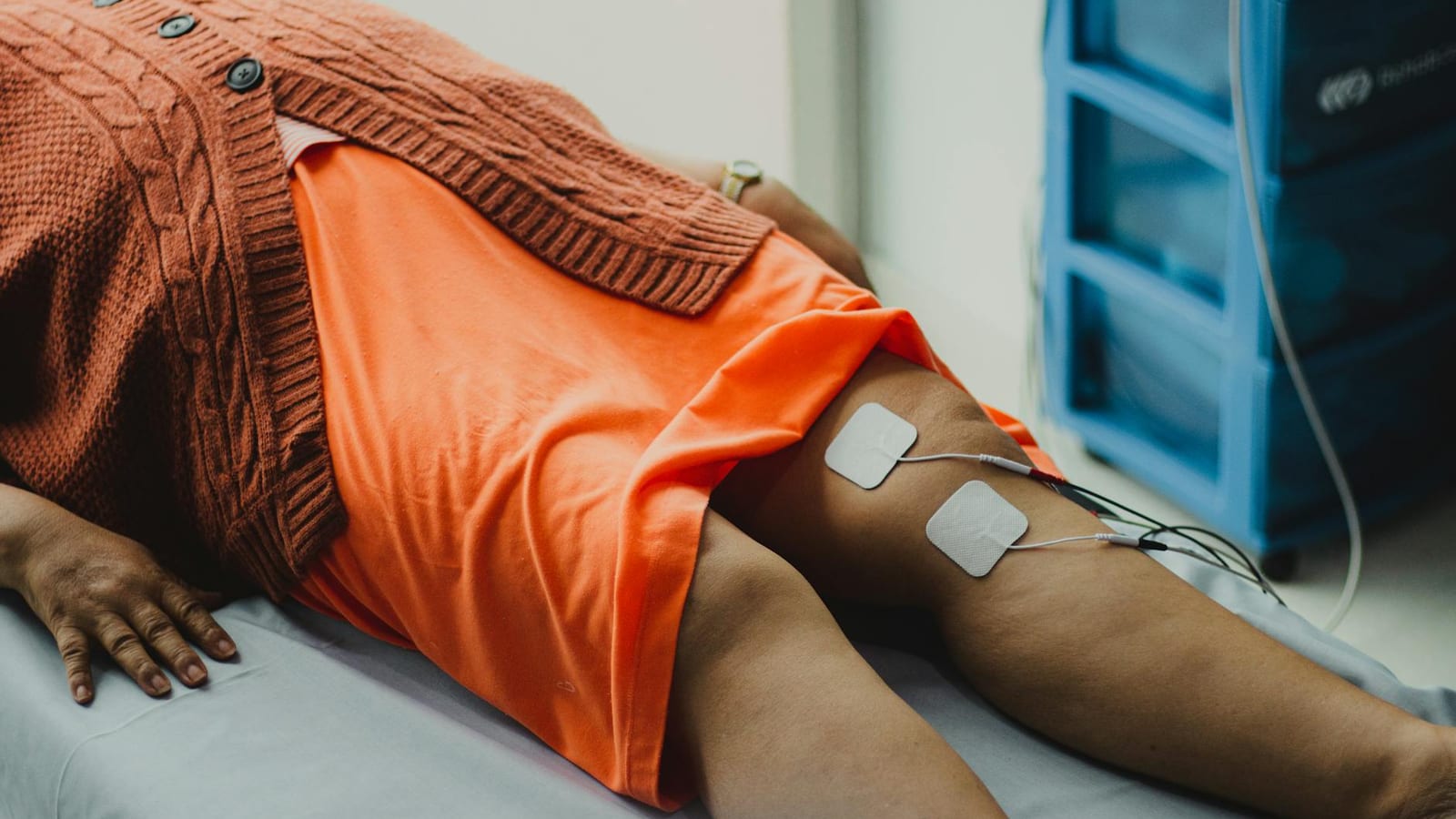
One bad twist of the knee can change a season, a job, or a daily walk.
That is why sports injury treatment now matters far beyond stadiums. It matters to school players, gym regulars, weekend runners, and office workers trying to stay fit after 40.
A senior joint arthroscopy and trauma surgeon at ABC Orthopaedic Hospital in Manjeri says the big shift is simple. Doctors now try to heal better, cut less, and return people to movement with more care.
Knees and ankles take the hit
Most sports injuries follow a familiar pattern. The knee, ankle, shoulder, elbow, muscles, and ligaments take the load first.
An ACL injury, for example, affects a key ligament inside the knee. This ligament helps keep the knee stable during sudden turns, jumps, and stops.
A meniscus tear affects the cushion inside the knee. Think of it like a small shock absorber. When it tears, the knee can hurt, swell, lock, or feel unstable.
An ankle sprain sounds minor, but it can linger. Many people rest for a few days, walk through pain, and then wonder why the ankle keeps rolling again.
Shoulder and elbow injuries also trouble gym users and racquet sport players. Rotator cuff tears affect shoulder movement. Tennis elbow can make even lifting a bottle painful.
The old Indian habit is to “manage” pain. That can work for simple soreness. It can hurt badly when a ligament has torn or a joint has lost stability.
Healing without rushing surgery
The newer conversation around sports injury treatment starts before the operation theatre. Doctors increasingly look at whether the body can repair itself with the right support.
PRP therapy is one such option. PRP means platelet-rich plasma. Doctors take a small sample of the patient’s blood, process it, and inject a concentrated part back near the injury.
Platelets carry growth signals. These signals help the body respond to damage. That does not mean PRP can rebuild every torn ligament.
Early and moderate injuries may benefit in selected cases. But patients should ask what exact injury they have, and what results the doctor expects.
Stem cell therapy gets even more attention. It uses cells that may help repair tissue. But the evidence varies by injury, method, and patient.
This is where families must stay practical. A glossy phrase cannot replace a proper scan, a physical exam, and a clear treatment plan.
For many Indians, cost also matters. A young player from a middle-class family cannot treat every new technique as a must-buy upgrade. The question is not what sounds advanced. The question is what improves recovery for that injury.
Keyhole surgery changes recovery
When surgery becomes necessary, arthroscopy has changed the experience for many patients. It is often called keyhole surgery.
In arthroscopy, surgeons use tiny cuts and a small camera. They see the inside of the joint on a screen. This helps them repair tissue without opening the joint widely.
For ACL tears and meniscus injuries, this can mean less tissue damage. It can also mean less blood loss and quicker early movement.
But quicker does not mean instant. A repaired knee still needs time. The ligament has to settle, muscles must regain strength, and balance must return.
This is where many recoveries go wrong. Patients celebrate the small scar and forget the months of rehab behind it.
Robotic navigation and computer-assisted systems now help in complex ligament reconstruction. These tools can guide tunnel placement and alignment during surgery.
That matters because millimetres can change the feel of a knee. A poorly placed graft may leave the joint unstable or stiff.
Still, the machine does not replace the surgeon. It supports planning and accuracy. The skill lies in choosing the right patient, technique, and rehab path.
The first hour still matters
For all the high-end technology, the first response after injury remains basic. The PRICE protocol remains useful in many fresh sports injuries.
PRICE stands for protection, rest, ice, compression, and elevation. In plain English, protect the injured area, stop loading it, cool it, wrap it, and raise it.
This can reduce swelling and pain in the early stage. It does not diagnose a tear. It does not fix a broken bone.
If the joint looks deformed, pain feels severe, or weight-bearing becomes impossible, medical care should not wait.
The same applies when swelling appears quickly after a knee twist. Fast swelling can point to internal bleeding in the joint. That may happen with ligament damage.
Parents often face this after school tournaments. The child wants to return quickly. The coach wants the team settled. The family hopes it is just a sprain.
That is exactly when caution helps. A missed ACL tear can damage the meniscus later. A weak ankle can invite repeated sprains.
Rehab decides the real result
The most boring part of sports injury treatment is often the most important part. Physiotherapy decides whether a patient returns with confidence.
Good rehab rebuilds strength, balance, flexibility, and movement control. It teaches the body to trust the injured part again.
The surgeon from ABC Orthopaedic Hospital notes that proper physiotherapy and sports rehab help many athletes return to earlier performance levels.
That sounds encouraging, but it comes with a warning. Recovery depends on age, injury type, treatment quality, discipline, and timing.
For ordinary people, the target may not be elite sport. It may be climbing stairs, sitting cross-legged, playing badminton, or walking without fear.
That is still a big deal. Pain changes how people live. It changes work, sleep, family routines, and confidence.
The smartest sports injury treatment in 2026 may not be the most expensive one. It may be the one that combines early diagnosis, sensible technology, honest advice, and patient rehab. For India’s growing fitness crowd, that is the real lesson. Do not worship pain. Do not panic either. Listen to the body early, and give recovery the seriousness it deserves.
This article is for informational purposes only and does not substitute medical advice. Consult a qualified physician for any health concern.
This article is for informational purposes only and does not substitute medical advice. Consult a qualified physician for any health concern.