Why Smokers Feel Fine Until They Suddenly Don't
Why Smokers Feel Fine Until They Suddenly Don't. Read the latest Business Leader report on what it means for readers, markets and policy in India.
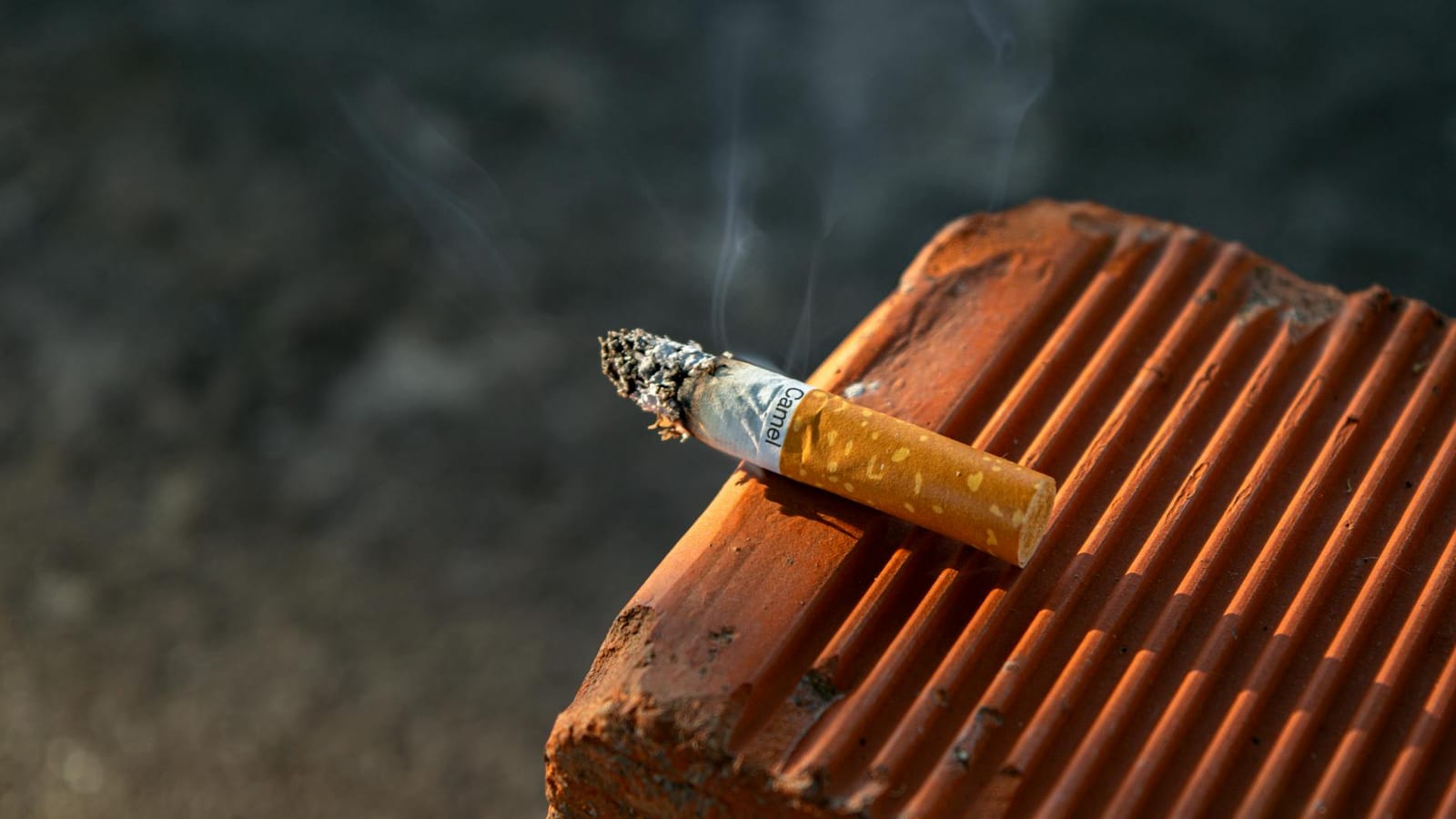
Millions of Indians light up every day with the same quiet conviction: if it was really killing me, I’d know by now.
That thought is so common, Dr. Harish Bhatia hears some version of it in his clinic almost every single day. He is a respiratory disease specialist, and his patients often arrive convinced that a lifetime of smoking has left them unscathed. They feel fine. Their lungs, they believe, have made peace with the cigarette.
They are wrong, Dr. Bhatia says. And the silence is precisely what makes smoking so dangerous.
The lung’s quiet sacrifice
Your lungs are not passive victims. They are among the most forgiving organs in the body, built to filter, repair, and adapt. In the early years of smoking, they do exactly that. Tiny hair-like structures called cilia clear out toxins. Local cells patch up small wounds. The organ carries on.
This capacity for quiet endurance is what fools people. The lungs are absorbing punishment without complaint. They have not yet been overwhelmed, so they do not signal distress.
But every cigarette deposits chemicals the body cannot fully neutralise. Over months and years, those compounds accumulate. The cleanup systems fall behind. Airways narrow so gradually that the smoker never notices breathing getting slightly harder. The elastic tissue in the lungs stiffens. Blood vessels, damaged repeatedly by smoke, lose their suppleness.
All of this happens without a cough you hadn’t had before. Without chest pain. Without any sign you would notice over morning tea.
Why “feeling fine” is the wrong signal
Dr. Bhatia describes what happens as the body reaching a kind of grim accommodation. When damage accumulates slowly enough, the body adjusts its sense of normal downward. You stop noticing the slightly shallower breath. You do not register that climbing two flights of stairs is a little harder than it was three years ago. You have adapted, and adaptation feels like health.
It is not.
Oxygen circulation is quietly compromised. The heart works harder to push blood through stiffer vessels. Lung capacity shrinks in small increments. None of this is dramatic. None of it sends a distress signal you would recognise.
The medical term for what the body is doing is compensation. And in cardiorespiratory medicine, compensation is never a permanent solution. It buys time. Eventually, the system runs out of slack.
When the silence breaks
This is the part medical professionals find most troubling. Smoking-related diseases do not arrive like a flu. They build over years before becoming visible. Chronic obstructive pulmonary disease, lung cancer, coronary artery disease, elevated stroke risk: all of these are slow combustions.
The most sobering fact is this: for many people, the first symptom they notice is also a severe one. A heart attack. A stroke. A scan that finds a lung tumour already past early stage.
By the time the silence breaks, the internal damage is often substantial. This is why “I feel fine” is not just a misconception. It is a dangerous one. The absence of symptoms is not a report card on what is happening inside your chest.
Smokers often draw on the logic of visible evidence: no blood, no pain, no problem. But internal cell damage does not bleed. Narrowed airways do not ache until they are critically narrow. A tumour developing in the outer part of the lung causes no pain at all until it has grown significantly or spread.
Dr. Bhatia makes a point that is worth sitting with. The body does not warn you about every threat it is managing. It simply manages them, quietly, until it cannot anymore.
The hopeful side of this story
Here is what makes all of this worth telling rather than simply grim. Quitting at any age produces measurable benefit. Within 20 minutes of the last cigarette, heart rate begins to stabilise. Within 24 hours, carbon monoxide levels in the blood start to fall. Within weeks, circulation improves.
At the three-to-nine month mark, lung function begins to recover as airways start to clear. Cilia regrow. The repair cycle, which tobacco had disrupted, reactivates. At the one-year mark, the risk of coronary heart disease drops by half compared to a continuing smoker.
These are not hypothetical gains. They are documented, consistent, and they apply whether someone quits at 35 or at 60. The biology of recovery does not require youth to work.
This matters enormously for a country like India, where an estimated 267 million people use tobacco in some form according to government health surveys. Many of them are long-term users who have convinced themselves the window for benefit has closed. It has not.
What to actually do with this information
The practical implication of everything Dr. Bhatia describes is straightforward: the time to stop is not after the first symptom. By then, you may have lost years of lung function you could have preserved.
A respiratory check-up, even in the absence of symptoms, can catch early signs of lung decline. Spirometry, a simple breathing test, measures how well air moves in and out. It costs almost nothing at a public health facility and can identify airway narrowing years before breathing difficulty becomes noticeable.
The absence of a cough is not permission to continue. The absence of pain is not evidence of safety. Many of Dr. Bhatia’s patients who arrived believing everything was fine left his clinic with a very different picture of what was happening inside their bodies.
That picture is uncomfortable. But for anyone willing to act on it, it is also the beginning of a better outcome.
This article is for informational purposes only and does not substitute medical advice. Consult a qualified physician for any health concern.
This article is for informational purposes only and does not substitute medical advice. Consult a qualified physician for any health concern.