Post-Monsoon Rodent Surge Raises Hanta Virus Risk in Indian Homes
Rodents in Indian homes may carry hanta virus, spread not by touch but through airborne particles from dried waste in enclosed, dusty spaces.
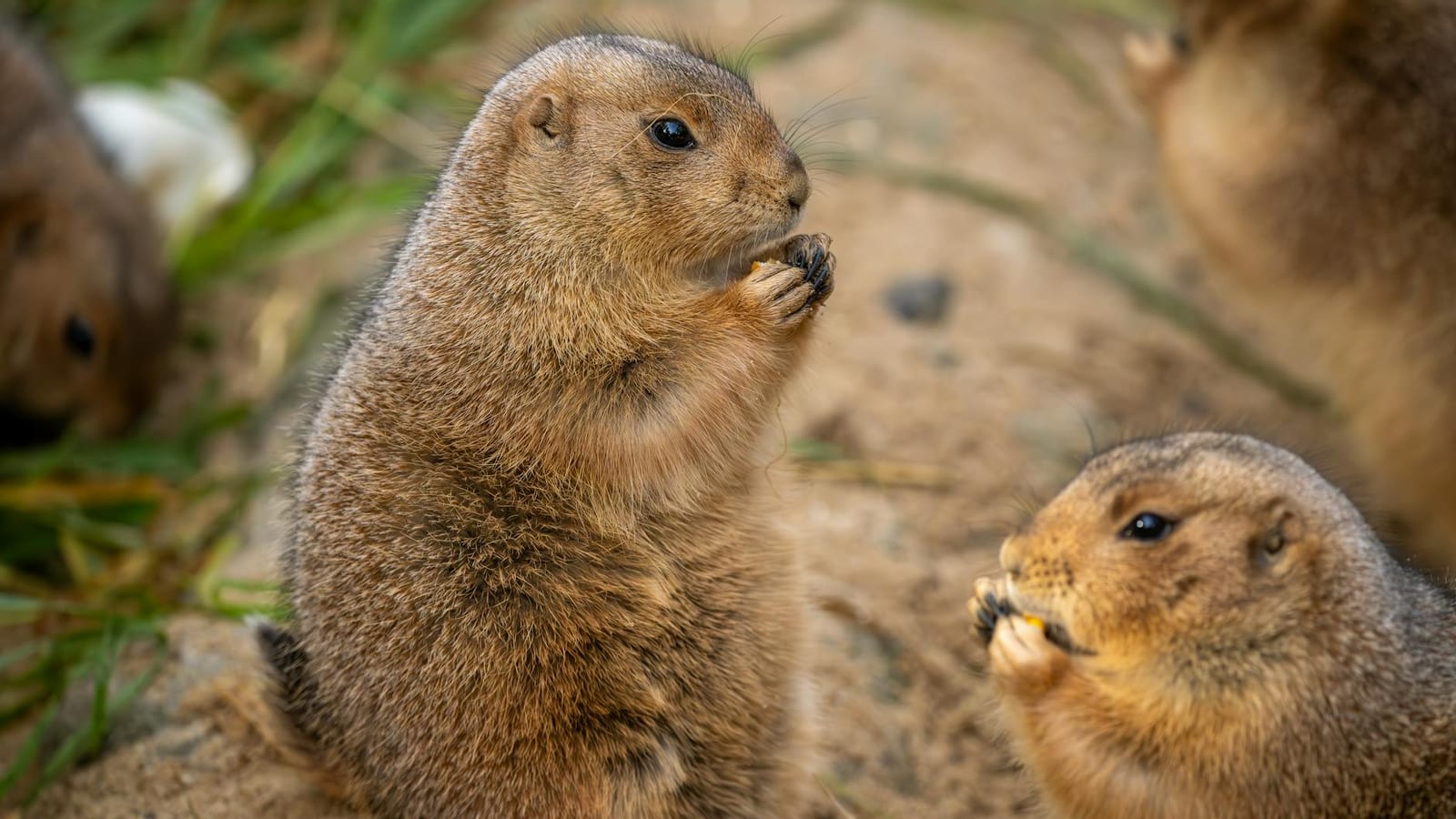
The rat behind your kitchen shelves and the squirrel that nested in your loft last monsoon may be doing more than making noise. They could be silently leaving behind something far more dangerous: hanta virus, a pathogen that health authorities are flagging as a risk Indian households need to understand, especially as rodent populations surge in the post-monsoon months.
The good news is that awareness and simple precautions are effective. Panic is unnecessary. But ignorance can cost lives.
What is hanta virus, exactly?
Hanta virus is a family of viruses carried naturally by certain rodents. The animals themselves do not get sick from it; they simply pass it along. The problem for humans is that we can inhale the virus without ever touching a rodent directly.
When an infected rat or squirrel urinates, defecates, or sheds saliva, the virus survives in those dried materials for days. If you sweep a dusty storeroom, rearrange old boxes in a garage, or clean up a rodent-infested space without protection, you can breathe in particles carrying the virus. That is the primary route of transmission: airborne particles from rodent waste, disturbed in enclosed or poorly ventilated spaces.
Direct bites are also a transmission route, but far less common. The dangerous scenario is the unsuspecting person cleaning out an old room during a house renovation, or preparing a storage area before the rains.
What it does to the body
The virus attacks the lungs in its most serious form, a condition doctors call Hantavirus Pulmonary Syndrome. The body’s own immune response, triggered by the infection, causes fluid to leak into the lung tissue. The lungs, essentially, begin to fill up.
The early symptoms are deceptively ordinary: fever, muscle aches, fatigue, sometimes a headache. These show up within one to five weeks of exposure and can easily be mistaken for a bad flu or dengue. Then, within days, breathing becomes difficult. That rapid deterioration is what makes hanta virus dangerous when it goes undiagnosed.
Globally, case fatality rates for the severe pulmonary form have been recorded between 30 and 40 percent in studied outbreaks, according to the World Health Organization. That number needs context: most people exposed to hanta virus do not develop the severe form, and early hospital care significantly improves outcomes. But the window between first symptoms and serious illness can be narrow, which is why early medical attention matters.
Who is most at risk in India?
India has extensive rodent populations across rural and urban areas. Rats and squirrels are common in homes, warehouses, grain storage facilities, and densely packed housing. The risk is not evenly distributed: people who work in agriculture, clean old storage spaces, or live in crowded housing with poor waste management face higher exposure.
The monsoon and post-monsoon period sees a natural increase in rodent activity as animals seek shelter from flooding. This is also when families often rearrange homes, clear out storerooms, or move into older properties. All of these are activities that can disturb rodent-contaminated spaces without anyone realising it.
Healthcare workers have noted that hanta virus cases are likely underdiagnosed in India because early symptoms mimic dengue, malaria, and typhoid, all of which are far more commonly tested for here. The specific blood tests needed to detect hanta virus are not routinely ordered unless a doctor explicitly suspects it.
What you can actually do
Prevention is straightforward, even if it requires some care. The key rule is: never dry-sweep or dry-dust a space you suspect has had rodent activity. Damp mopping, or wearing an N95 mask and gloves before cleaning, blocks the inhalation risk. Ventilate enclosed spaces for at least 30 minutes before entering.
Sealing entry points in your home matters. Rats can squeeze through gaps the size of a two-rupee coin. Squirrels are agile enough to enter through roof gaps and ceiling joints. If you find a nest, do not disturb it with bare hands. Spray the area with a disinfectant solution (diluted bleach works), let it soak for five minutes, then remove it with gloved hands into a sealed bag for disposal.
Food storage is the second line of defence. Grains, pulses, and other stored food should sit in sealed containers, not open sacks. Rodents are drawn by food; removing the attraction reduces the population pressure in your home.
If you develop a flu-like illness within a month of cleaning out an old space or spending time in a rodent-prone environment, tell your doctor specifically about the exposure. That single detail changes the diagnostic workup entirely.
The broader picture
India does not maintain a widely reported national registry of hanta virus cases, which makes tracking the true burden difficult. Sporadic cases have been documented by researchers, but the disease remains poorly studied in the Indian context compared to other rodent-borne infections like leptospirosis, which is far better understood here.
What is clear is that rodent control is a public health matter, not just a domestic nuisance. Urban municipalities that fail to manage waste and sewage create conditions where rat populations thrive, and every thriving rat population is a potential reservoir for a range of infections, hanta virus among them.
For ordinary families, the message is simple: clean carefully, seal your home, store food properly, and see a doctor promptly if a flu follows any rodent exposure. The rodent problem in India is old. Our understanding of what it carries is still catching up.
This article is for informational purposes only and does not substitute medical advice. Consult a qualified physician for any health concern.
This article is for informational purposes only and does not substitute medical advice. Consult a qualified physician for any health concern.