Kozhikode Medical College Opens Health Startup Hub
Kozhikode Medical College has launched an IEDC Innovation Hub to help medical students turn hospital problems into practical health startup ideas.
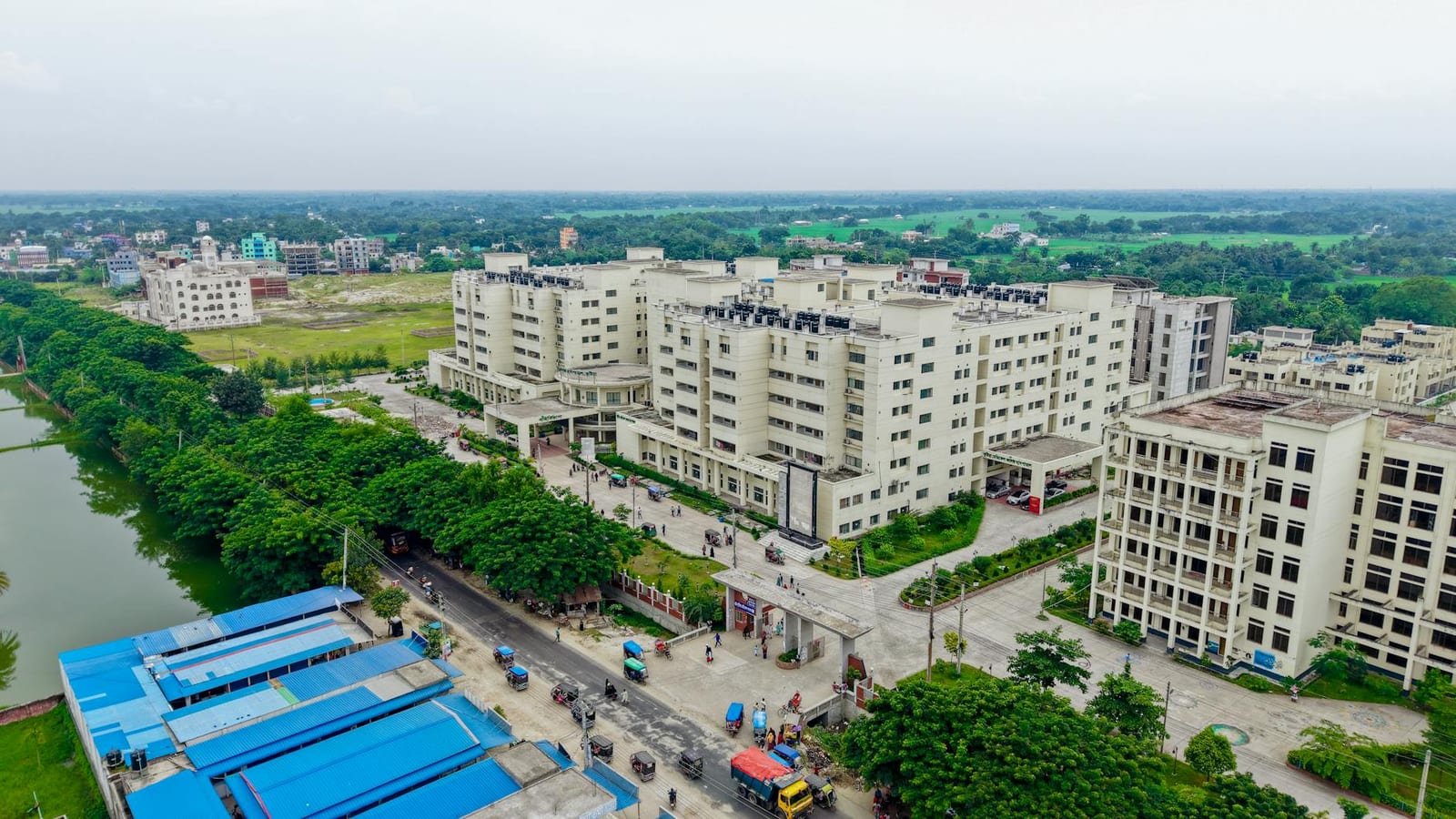
A hospital ward teaches medicine in a way no classroom can. A delayed test, a missing device, a confusing form, each one can become a student’s first real lesson in how healthcare actually works.
That is the idea behind the new IEDC Innovation Hub at Kozhikode Medical College. The unit has opened with a clear promise: turn everyday hospital problems into student-led health startup ideas.
For a government medical college, this is not just about shiny gadgets. It is about asking young doctors to notice what slows care down, then build practical answers.
Kozhikode gets a health startup hub
The Innovation and Entrepreneurship Development Centre, or IEDC, was formally launched at Kozhikode Medical College during the All India Oncoscope Oncology Summit, a national cancer care conference.
Dr Ranjini K., vice-principal of Kozhikode Medical College and professor in the ophthalmology department, inaugurated the unit. The launch also brought together doctors from medicine, pathology, oncology, and the Indian Medical Association’s Kerala unit.
Dr Rojith K. Balakrishnan, assistant professor in medicine and IEDC nodal officer, said medical colleges must grow beyond treatment and teaching. He said they should also become spaces for research, innovation, and startup activity.
That line matters. India has many medical ideas, but too few travel from the ward to the workshop. A doctor may see the same problem 50 times in a month. Yet the system often gives that doctor no time, money, or support to solve it.
Students start from real problems
The launch included an ideathon challenge, with around 150 medical students from different colleges in Kerala taking part. They presented ideas and projects aimed at health problems that technology could help solve.
An ideathon is basically a pressure cooker for ideas. Students identify a problem, think through a possible solution, and explain why it may work. The best projects received prizes.
That may sound like a college event, but the setting changes everything. A medical student does not think like a software founder sitting far from patients. She sees crowded outpatient rooms, anxious families, delayed lab reports, tired nurses, and doctors juggling too much.
Those details shape better health technology. A clever app that ignores hospital workflow usually dies quickly. A simpler tool that saves a nurse five minutes per patient may survive.
The real test will come after the prizes. Can these ideas become prototypes? Can students test them with doctors and patients? Can the college create a path from sketch to pilot project?
That path is where many Indian health ideas get stuck. Students can spot problems. Doctors can validate them. But product design, regulation, funding, and procurement need handholding.
Kerala Startup Mission steps in
The presence of Kerala Startup Mission gives the project a wider frame. Its representatives, Adarsh Vijayan and Anu Maria, guided students on startup opportunities, innovation, and research-linked ventures.
This matters because a health startup is not like launching a food delivery app. If a device, software tool, or diagnostic aid affects patient care, it needs caution. It must work reliably, protect patient data, and avoid making doctors depend on weak evidence.
Early student ideas often need discipline more than enthusiasm. A mentor has to ask blunt questions. What problem are you solving? Who will use it? What will it cost? Will a government hospital actually buy it? What happens if it fails?
That last question is central in healthcare. A glitch in a shopping app irritates people. A glitch in a hospital tool can delay care.
Kerala has reason to take this seriously. The state has strong health indicators and a public health culture that many other states study. But its hospitals still face familiar pressures: patient load, ageing population, cancer care demand, and rising treatment costs.
A startup hub inside a medical college can turn those pressures into useful design problems. Not glamorous problems, perhaps, but important ones.
Why hospitals need builders
The most useful medical innovations often look boring at first. A better triage system. A low-cost screening device. A smarter way to track biopsy samples. A simple reminder tool for follow-up visits.
Cancer care especially needs such thinking. Oncology involves diagnosis, scans, pathology reports, treatment schedules, side effects, and repeated visits. A family can get lost in the process even when doctors do their best.
The launch at an oncology summit fits that reality. Cancer treatment does not depend only on medicines and machines. It also depends on timing, coordination, information, and trust.
A pathology delay can change a family’s week. A missed follow-up can change a patient’s outcome. A confusing instruction can make someone stop treatment early.
Technology cannot fix everything here. It cannot replace a trained doctor, a caring nurse, or a well-funded public hospital. But it can remove small blocks that pile up into big distress.
That is why students are useful in this space. They are close enough to the hospital floor to see the mess. They are young enough to question habits that older systems accept as normal.
The cautious promise of medical innovation
There is another side to this story. India has seen a flood of health-tech claims in recent years. Some tools help. Some overpromise. Some treat patients like data points and doctors like obstacles.
So the Kozhikode hub will need a careful culture from day one. Innovation in medicine must move slower than marketing wants. It must ask for evidence before applause.
If a student group builds a device, doctors must test it. If they build software, hospitals must check privacy and accuracy. If they suggest an artificial intelligence tool, someone must ask what data trained it and where it may fail.
That caution should not kill ambition. It should make the work stronger. Good medicine already works this way. You observe, you test, you measure, and you change course when facts demand it.
Dr Rojith’s point about medical colleges becoming innovation centres carries weight for this reason. India cannot import every solution. Many hospital problems here need local answers, shaped by local budgets and patient realities.
For ordinary families, the promise is simple. If a student in Kozhikode can turn a ward problem into a working tool, care may become a little faster, cheaper, or less confusing. That is not a small thing. In Indian healthcare, small improvements often decide whether a patient feels guided or abandoned.
This article is for informational purposes only and does not substitute medical advice. Consult a qualified physician for any health concern.
This article is for informational purposes only and does not substitute medical advice. Consult a qualified physician for any health concern.