Kota C-Section Deaths Put Maternal Safety Under Scrutiny
Four women died after C-section deliveries at a Kota government hospital, with six others critical, prompting questions on maternal care.
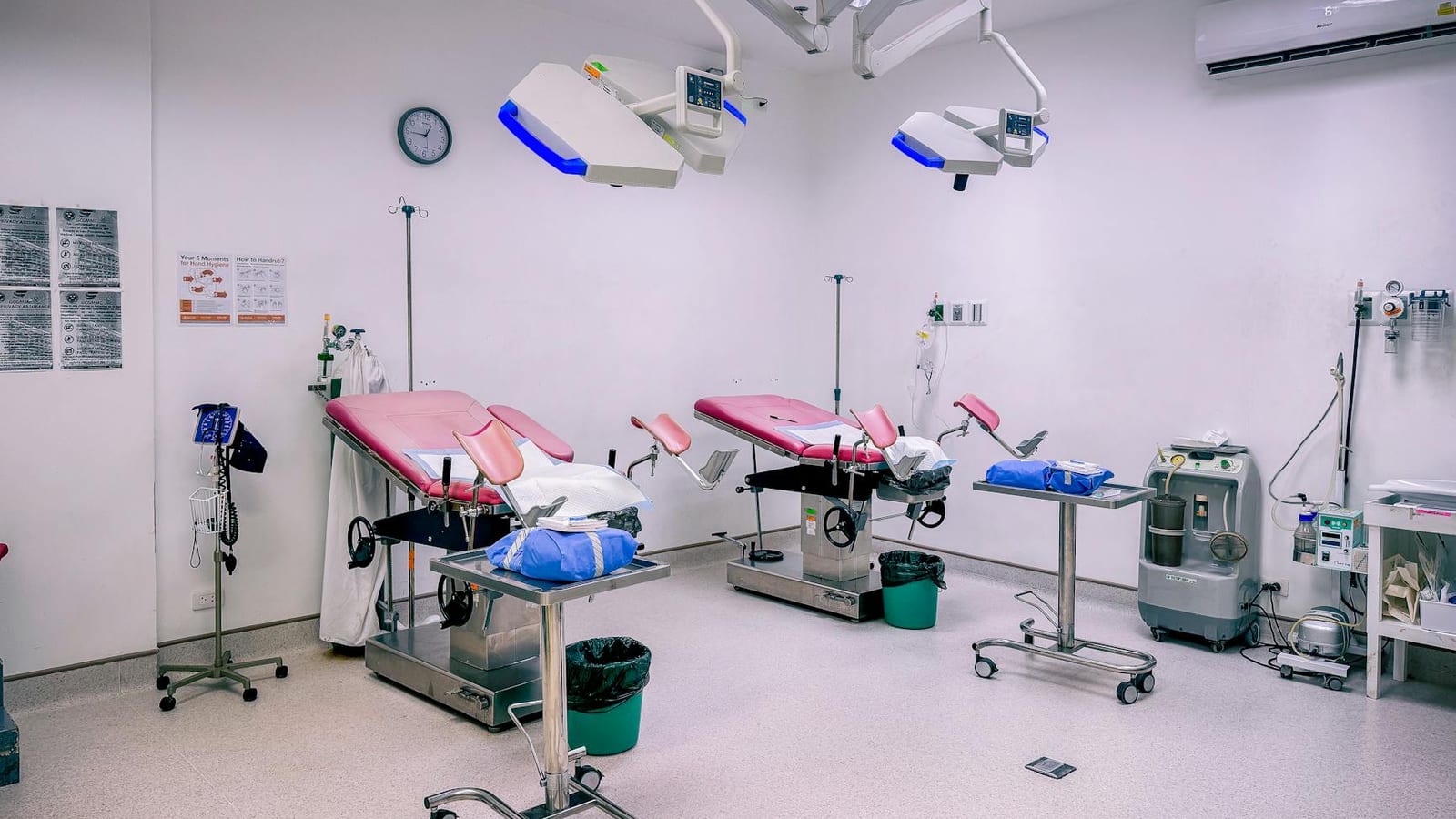
Four women have died after C-section deliveries at a government hospital in Kota. Six others are reported critical.
That one line is enough to make any family pause. Because childbirth, even when planned, already carries fear. A surgical birth should reduce danger when doctors judge it necessary. It should not leave families waiting outside an ICU, asking what went wrong.
The full medical picture is not public yet. That matters. But the scale of this tragedy demands careful answers, not rumours.
Kota deaths raise urgent questions
The reported deaths at a Kota government hospital have put maternal safety back in sharp focus. Four women died after caesarean deliveries, while six remained in serious condition.
A C-section, or caesarean section, means doctors deliver the baby through surgery. They make cuts in the abdomen and uterus. It can save lives when normal delivery becomes risky.
But like any major surgery, it has danger points. Heavy bleeding, infection, reaction to anaesthesia, blood clots, and delayed treatment can all turn serious quickly.
That does not mean one should guess the cause here. The Rajasthan health authorities must examine case sheets, medicines, blood supply, operation theatre records, and post-surgery monitoring.
Why C-sections need tight systems
A C-section does not end when the stitches are done. The hours after surgery often decide the patient’s safety.
Doctors and nurses must watch pulse, blood pressure, bleeding, urine output, fever, pain, and breathing. These are not small details. They are the body’s early warning signals.
If bleeding starts inside the body, the patient may first look weak or drowsy. By the time blood pressure crashes, the emergency is already severe.
Infection can also move fast. A woman may develop fever, low blood pressure, confusion, or breathing trouble. Doctors call this sepsis. In plain English, it means the body is fighting an infection so hard that organs can start failing.
Anaesthesia also needs expert handling. A bad reaction, wrong dose, or delayed recognition of breathing trouble can become fatal.
This is why government hospitals need more than good doctors. They need clean theatres, trained staff, working monitors, blood availability, ICU beds, and clear emergency rules.
Families need facts, not silence
For the families, this is not a medical audit. It is a loss that began with childbirth.
Many women who undergo C-sections are young. Some may be first-time mothers. Some families reach public hospitals because private care costs too much.
That is the human heart of this story. Public hospitals serve people who cannot simply choose another facility when something looks wrong.
A mother going into surgery should not depend on luck. Her family should not need connections to get updates. They should hear clear explanations from the hospital.
If an internal inquiry is underway, authorities must say what it covers. Did the cases happen in the same theatre? Were the same medicines used? Did all patients show similar symptoms? Were infection-control rules followed?
These questions do not accuse anyone by themselves. They help separate coincidence from system failure.
Public hospitals carry the heaviest load
Kota is not some remote outpost. It is a major city, known across India for coaching centres and a heavy flow of families.
Its public hospitals carry a large burden. They treat patients who arrive late, arrive poor, or arrive after trying care elsewhere.
That makes accountability more important, not less. A crowded hospital cannot become an excuse for unsafe care.
India has pushed institutional deliveries for years. More women now give birth in hospitals. That is a public health gain.
But the next question is harder. Are hospitals ready for the complications that come with more deliveries?
A delivery ward needs round-the-clock strength. One weak link can hurt many patients. A shortage of nurses, delayed blood, poor sterilisation, or missing senior supervision can all matter.
The inquiry must look beyond one surgeon or one shift. Maternal safety depends on the whole chain.
What investigators must establish
The first task is clinical. Doctors must identify the likely cause of death in each case.
Was there excess bleeding? Was there infection? Was there a medicine reaction? Was there an anaesthesia-linked complication? Were the critical patients showing the same pattern?
The second task is administrative. Officials must check staffing, equipment, oxygen supply, blood-bank response, and cleanliness records.
The third task is communication. Families deserve honest updates in simple language. Medical words can hide more than they reveal.
Authorities should also avoid rushing to one neat answer. In hospital tragedies, several small failures often combine.
A delayed test, a missed symptom, a shortage of blood, and a late ICU transfer may each look minor alone. Together, they can become deadly.
The larger lesson is uncomfortable but clear. Maternal care cannot be judged only by the number of hospital births. It must be judged by what happens when a birth becomes complicated.
For ordinary families, the question is painfully simple. When a woman enters an operation theatre to bring a child into the world, will the system protect her with the seriousness she deserves? Kota now needs answers, and other hospitals should not wait for a tragedy before checking their own.
This article is for informational purposes only and does not substitute medical advice. Consult a qualified physician for any health concern.
This article is for informational purposes only and does not substitute medical advice. Consult a qualified physician for any health concern.