Khargone bride's death puts turmeric adulteration in focus
A Khargone wedding illness linked to adulterated turmeric has killed a bride, raising scrutiny of food safety checks and local market supply chains.
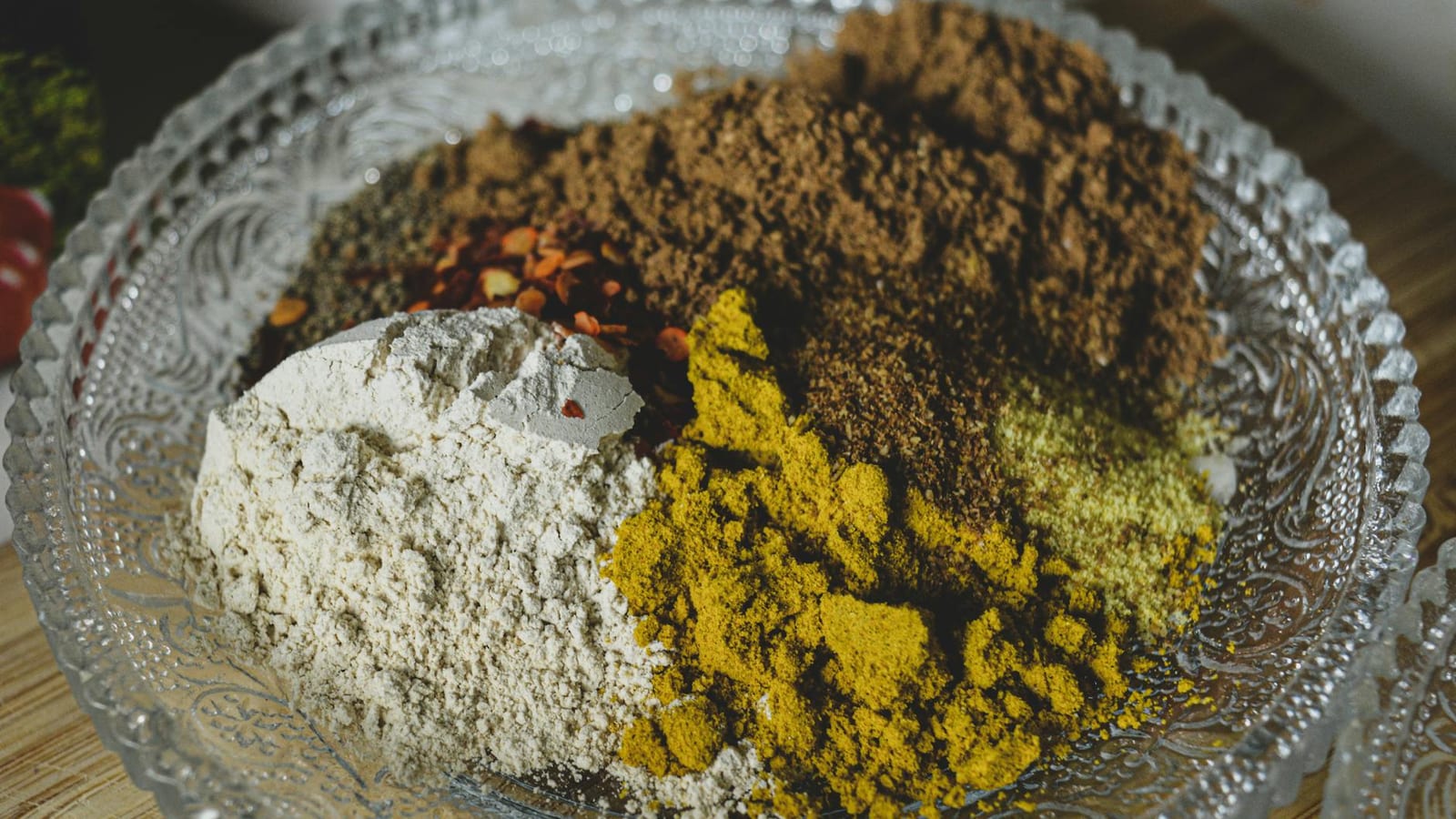
A wedding ritual turned into a public health warning in Khargone, and that is what makes this case so unsettling.
A bride and groom reportedly fell ill after adulterated turmeric was used during wedding festivities in Khargone, Madhya Pradesh. The bride later died. For most Indian families, haldi is supposed to be the warm, noisy, harmless start of a marriage celebration. Here, it became a reminder that food fraud can enter even the most trusted corners of home life.
This is not just a story about one unsafe packet. It is about how easily a basic kitchen ingredient can move through markets, homes, rituals, and bodies without anyone asking enough questions.
Khargone tragedy raises hard questions
Turmeric sits in almost every Indian kitchen. We put it in dal, vegetables, milk, pickles, face packs, and wedding ceremonies. Its familiarity is exactly why this case hits hard.
Local reports from Madhya Pradesh said adulterated turmeric made the bride and groom unwell. The bride’s death has now put the spotlight on food safety checks, market inspections, and the loose chain between seller and household.
The sharpest question is simple. How did a product meant for daily use become dangerous enough to trigger such fear?
Authorities often respond after such incidents with sampling drives and shop checks. That matters, but families need more than after-the-fact action. They need confidence before the packet reaches the kitchen shelf.
Why turmeric gets adulterated
Turmeric has value because of its colour, smell, and reputation. A bright yellow powder looks “pure” to many buyers, even when that brightness may come from something unsafe.
The FSSAI has warned in its food safety material that turmeric powder can face adulteration with substances such as lead chromate, metanil yellow, chalk powder, soapstone powder, starch, or cheaper substitutes. In plain English, sellers may add colour, weight, or cheaper filler to improve margins.
Lead chromate gives a strong yellow shade, but lead is toxic. Metanil yellow is a synthetic dye, not meant to improve anyone’s health. Chalk and starch may sound less frightening, but they still mean the buyer is not getting what they paid for.
The business logic is ugly but familiar. A small trader under price pressure may buy from a supplier who offers cheaper stock. A consumer picks the brightest packet. Somewhere between those two points, safety loses to appearance.
What happens inside the body
Doctors treat sudden illness after exposure to a substance very seriously. If someone develops swelling, rashes, vomiting, dizziness, or breathing trouble, the body may be reacting sharply to an irritant or allergen.
In severe allergic reactions, the immune system overreacts. Blood pressure can drop. The airway can narrow. This can become life-threatening quickly, which is why emergency care matters.
Adulterants create another kind of risk. Heavy metals such as lead do not behave like normal food ingredients. The body cannot use them. Over time, lead exposure can harm the brain, nerves, kidneys, and blood, especially in children and pregnant women.
That does not mean every bad turmeric sample causes instant collapse. Health effects depend on the substance, dose, route of exposure, and the person’s own medical condition. But this uncertainty is exactly why adulteration is so dangerous.
Rituals need safer supply chains
Indian families often trust loose spices more than packaged products. The logic is understandable. The local shopkeeper knows the family. The powder looks fresh. The price feels right.
But trust is not a lab test. A kirana store owner in a tier-2 city may not know what happened before the stock reached him. A wholesaler may not test every batch. A family preparing for a wedding may buy in bulk and assume tradition equals safety.
Food safety cannot depend only on the final buyer spotting danger. Most people cannot identify lead chromate by sight. They cannot smell metanil yellow. They cannot inspect a supply chain while planning a marriage ceremony.
This is where regulators must act before tragedy. Random sampling, quick penalties, traceable sourcing, and public naming of unsafe batches can change behaviour faster than vague warnings.
What families can do now
Families should buy turmeric from sellers who can show clear packaging, batch numbers, manufacturing details, and FSSAI licence information. Loose spice may still be safe, but it gives buyers fewer clues when something goes wrong.
People should avoid judging turmeric only by colour. Very bright powder is not automatically better. Real food does not need to look like poster paint to be genuine.
Home tests shared online can give clues, but they cannot replace laboratory testing. If turmeric behaves strangely in water, stains unusually, or leaves grit behind, stop using it and alert local food safety officials.
The bigger message is not panic. It is caution. Turmeric remains a normal part of Indian food and culture. The danger lies in adulteration, poor oversight, and the belief that common products cannot harm us.
Khargone’s tragedy should not fade after one round of raids. For ordinary families, the lesson is painfully practical. The safest food system is not built at the hospital gate. It begins at the mandi, the mill, the wholesale godown, the shop counter, and finally, the kitchen shelf.
This article is for informational purposes only and does not substitute medical advice. Consult a qualified physician for any health concern.
This article is for informational purposes only and does not substitute medical advice. Consult a qualified physician for any health concern.