India Turns to Half-Match Transplants to Cure Thalassemia Major
India's thalassemia patients may soon escape lifelong transfusion cycles as the half-match bone marrow transplant gains ground as a curative option.
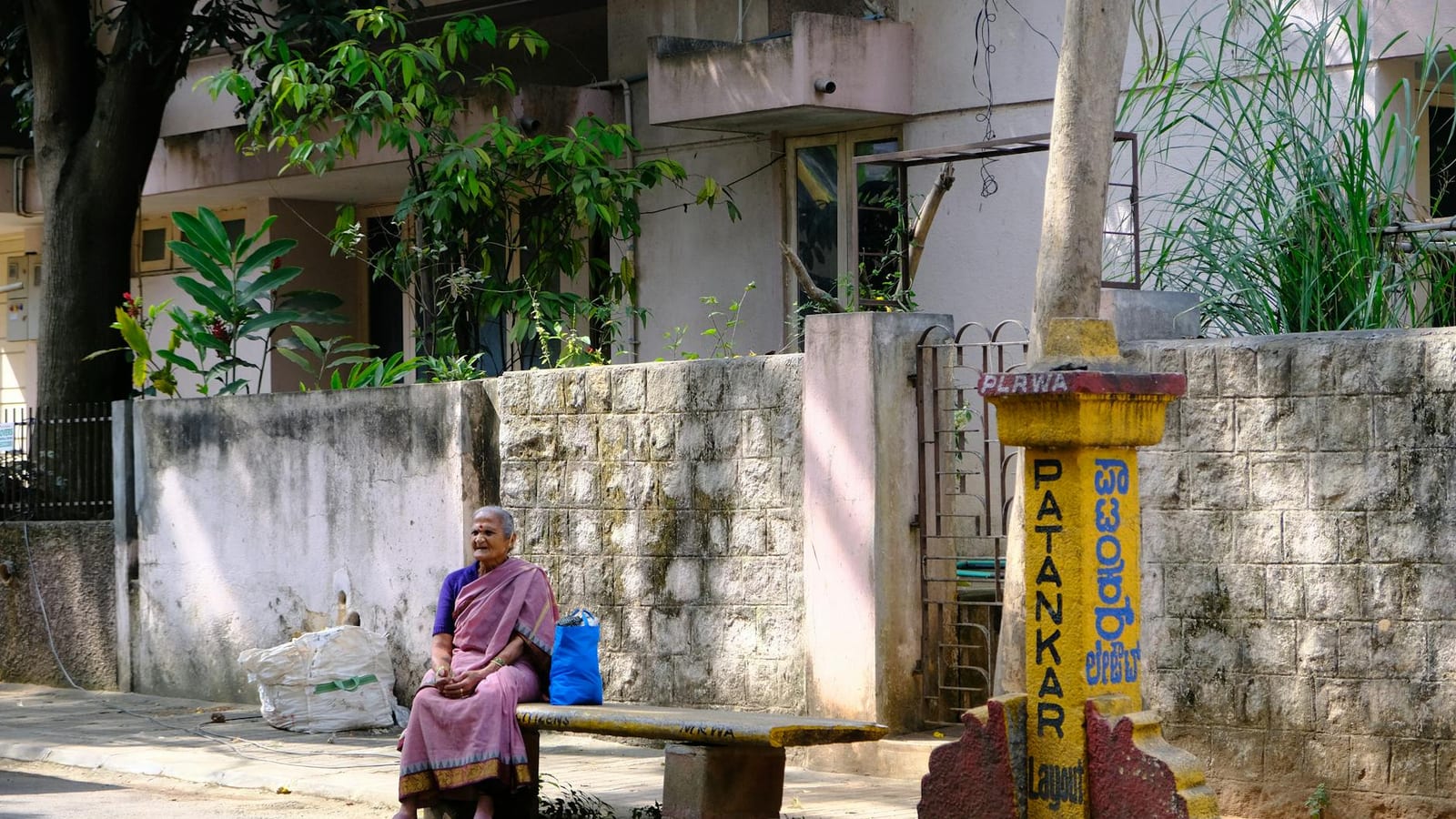
Every three to four weeks, tens of thousands of families across India pack a bag and make the same trip. Not because of a crisis. Because the calendar says so. A child with thalassemia needs another blood transfusion, and the cycle starts again.
That exhausting rhythm, which can stretch across an entire childhood and beyond, may now be breakable for many more patients. A transplant technique called haploidentical, or “half-match,” bone marrow transplant is gaining traction in India as a genuine path to cure for thalassemia major, particularly for patients who have no fully matched donor available.
What thalassemia actually does to a body
Thalassemia major is a genetic blood disorder, inherited when both parents carry a faulty version of the gene responsible for haemoglobin. Haemoglobin is the protein in red blood cells that carries oxygen around the body. When the body cannot produce it properly, the result is severe, chronic anaemia. Without treatment, organ damage follows, and life expectancy drops sharply.
India carries one of the heaviest thalassemia burdens in the world. Estimates suggest roughly 10,000 to 15,000 children with thalassemia major are born here every year. Around one in every 25 Indians carries the thalassemia gene without any symptoms or knowledge of it. When two carriers have a child, each pregnancy carries a 25 percent chance of producing a child with the full disease.
For most of these children, the standard of care has been blood transfusions every two to four weeks, combined with chelation therapy, the drugs that remove excess iron from organs because transfusions gradually deposit it there. Chelation drugs are not cheap. The transfusions require hospital access, compatible blood supply, and parents willing and able to take repeated days off work. The cumulative financial, physical, and emotional weight on these families over years is difficult to overstate.
The transplant option, and why it was out of reach for so many
Bone marrow transplant is the only established cure for thalassemia. The procedure replaces a patient’s defective blood-forming stem cells with healthy ones from a compatible donor. When it works, the patient essentially builds a new blood system from scratch and stops needing transfusions entirely.
The problem has always been finding a suitable donor. Bone marrow compatibility depends on proteins called HLA antigens, and a transplant using an unrelated donor traditionally required matching on 10 of these antigens. A 10-out-of-10 match in an unrelated person is rare in any population. Indians are significantly underrepresented in international bone marrow registries, which are dominated by donors of European descent. The practical result was that a substantial proportion of Indian thalassemia patients had no viable donor path, even if they could afford the procedure.
How half-match changes the numbers
Haploidentical transplant uses a donor who shares only half the HLA antigens with the patient. This is the natural relationship between a parent and child. Siblings also have a 50 percent chance of being a half-match. What this means, practically, is that almost every thalassemia patient already has a potential donor living in the same house.
The historical obstacle was risk. Half-match transplants were associated with higher rates of graft-versus-host disease, a serious complication where the donor’s immune cells attack the recipient’s body after the transplant. Protocols developed over the past decade have substantially reduced this risk, using refined techniques to remove or suppress the specific immune cells responsible while preserving the donor cells needed to rebuild the patient’s blood system.
Several transplant centres across India have been building experience with these protocols. Early data from programmes in Delhi, Mumbai, and other major cities suggests that outcomes in haploidentical transplants for thalassemia, particularly in young patients treated early in the disease course, can approach those seen with fully matched donors. The evidence base is still maturing and longer follow-up data from larger patient groups will clarify the picture further, but the trajectory is encouraging.
This is not a simple procedure
It would be misleading to suggest the path is straightforward. Transplant requires intensive conditioning before the new cells are introduced, typically high-dose chemotherapy to destroy the patient’s existing bone marrow. Recovery takes months. The risks of serious infection, graft failure, or graft-versus-host disease remain real, even with the newer protocols. Patients need to be at a centre with experienced transplant teams and strong supportive care infrastructure.
Cost is a significant barrier. Bone marrow transplants at private hospitals can run into several lakh rupees. Government hospitals offer the procedure at substantially reduced rates, and some state health schemes have begun including BMT coverage, but the availability and reach of these schemes varies widely. Families in tier-2 cities or rural areas frequently face the additional burden of relocating temporarily to a city with a transplant programme, adding to the total cost and disruption.
The bigger picture
India’s thalassemia problem has a prevention dimension that is equally important. Carrier testing before marriage can identify couples at risk. Screening during pregnancy gives families information and options. Both are available but neither is practiced widely enough. Many children are diagnosed only after symptoms appear, sometimes years into a preventable disease course.
For those already living with thalassemia, expanding access to haploidentical transplant matters enormously. This means more trained centres outside the major metros, more predictable insurance pathways, and sustained government investment in both transplant infrastructure and post-transplant support.
The families making that recurring hospital trip every few weeks are not asking for a miracle. They are asking for a system that gives their child a real shot at a different future. The medicine is moving. The access question is the one that needs the same urgency.
This article is for informational purposes only and does not substitute medical advice. Consult a qualified physician for any health concern.
This article is for informational purposes only and does not substitute medical advice. Consult a qualified physician for any health concern.