Four Mothers Die After C-Sections At Kota Government Hospital
Four women died and six remain critical after C-section deliveries at a Kota government hospital, prompting calls for a full clinical audit.
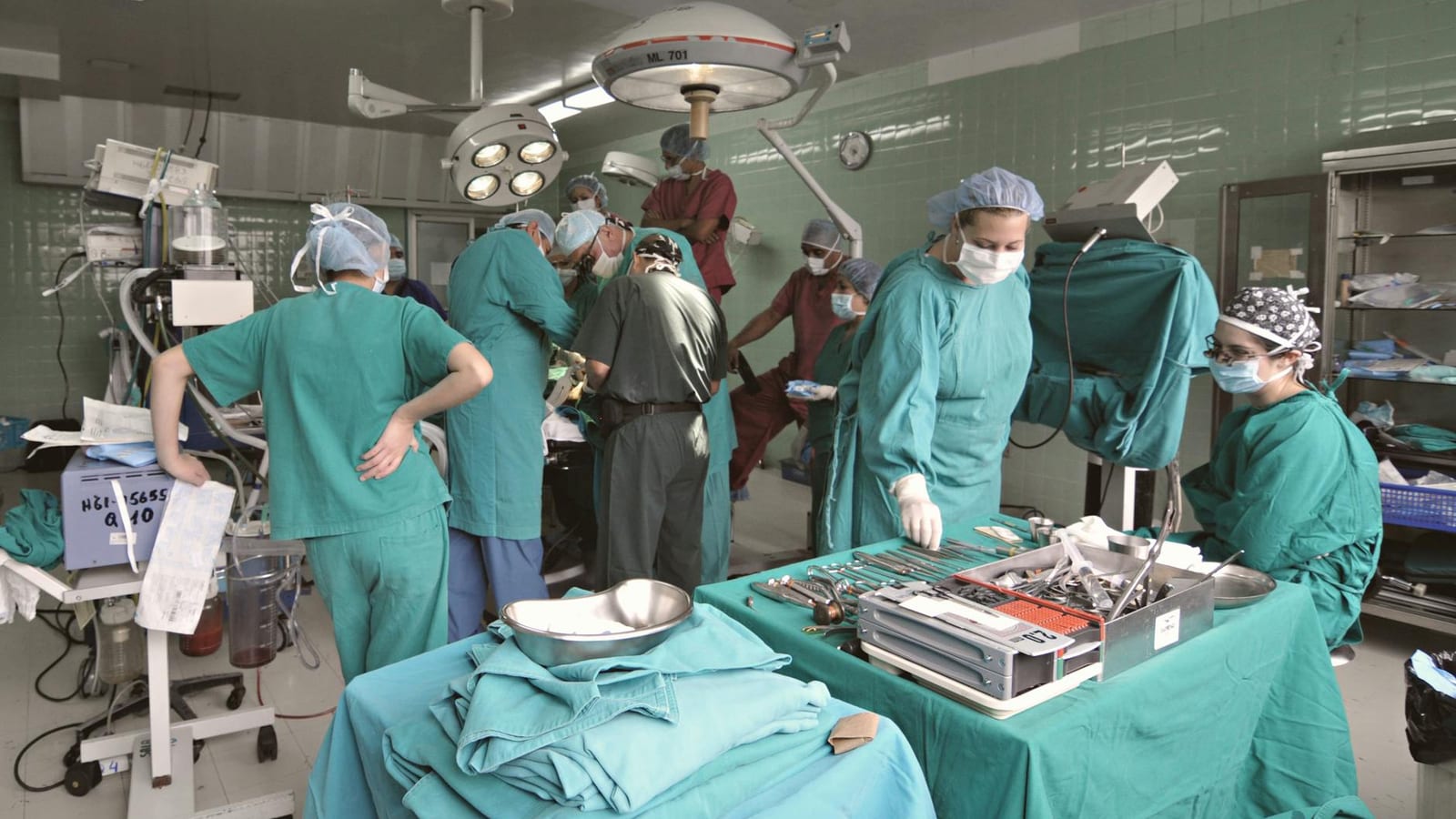
Four mothers are dead after C-section deliveries at a government hospital in Kota. Six more women are reportedly critical.
That single line should stop any health system in its tracks. A caesarean section is common, but it is still major surgery. Families enter a labour room expecting a child. They should not leave counting deaths.
The available public information is still thin. But the basic fact is grave enough. Multiple women developed serious complications after C-section procedures in a public hospital setting.
Kota hospital deaths raise alarm
Kota is better known for coaching centres than maternity wards. But this incident has put its public health system under sharp focus.
Initial reports say four women died after C-section deliveries at a government hospital. Six others remain in serious condition. No clear public explanation has yet emerged on the exact medical trigger.
That matters because one death after childbirth demands review. Four deaths after similar procedures demand a full clinical audit.
Families deserve clear answers, not vague hospital language. They need to know what happened before surgery, during surgery, and after surgery.
Why C-sections need close watching
A C-section can save two lives when labour becomes risky. Doctors use it when vaginal delivery may endanger the mother or baby.
But people often forget the second part. A C-section is not a small shortcut. It cuts through skin, muscle, and the uterus.
That means doctors must manage bleeding, infection risk, anaesthesia, blood pressure, and recovery. Each step needs clean systems and trained teams.
The World Health Organization has repeatedly described caesarean sections as essential when medically needed. It has also warned that surgery without clear need can add risk.
In a well-run setup, these risks usually stay low. But when several women worsen together, investigators must look beyond individual cases.
They must check the operating theatre, medicines, anaesthesia records, blood supply, sterilisation, and post-surgery monitoring. A missed warning sign can turn fatal very fast.
The questions families will ask
The first question is simple. Did these women have the same complication, or different complications?
If many patients developed infection, the hospital must check sterilisation and antibiotic use. If bleeding caused collapse, blood availability becomes central.
If anaesthesia played a role, officials must review drugs, dosing, monitoring, and staff presence. If sepsis developed, timing becomes vital.
Sepsis is the body’s dangerous reaction to infection. It can drop blood pressure and damage organs within hours.
Postpartum haemorrhage is another major danger. It means heavy bleeding after childbirth. Doctors can treat it, but only if they catch it quickly.
This is why maternity wards need constant observation after surgery. A woman may look stable, then suddenly slip into crisis.
For families, medical terms do not soften the blow. They want to know whether the deaths were preventable.
Public hospitals carry extra pressure
Government hospitals handle some of India’s most difficult deliveries. Many women arrive late, anaemic, exhausted, or referred from smaller centres.
This is not an excuse. It is the reality doctors and nurses face every day.
A public hospital often treats patients who cannot afford private care. For them, the government ward is not a backup option. It is the only option.
That makes accountability even more important. A poor family cannot quietly move to a premium hospital if care breaks down.
Rajasthan health authorities now need to make the review transparent. A closed internal note will not rebuild trust.
The audit should identify the cause, fix the system, and protect remaining patients. It should not become a blame game aimed only at junior staff.
What a serious review needs
A proper review must start with case sheets. Doctors should compare each patient’s timeline, symptoms, medicines, vitals, lab reports, and surgery notes.
They should check whether the women received timely blood tests. They must see when warning signs first appeared.
They should also inspect the operation theatre. Instruments, sterilisation logs, oxygen supply, drugs, and anaesthesia machines all matter.
If a medicine batch caused harm, officials must isolate it quickly. If infection control failed, they must stop further exposure.
The state must also communicate carefully. Families should not learn facts through rumours outside hospital gates.
In medicine, silence creates fear. Clear information does not weaken a hospital. It shows the system takes lives seriously.
India has improved maternal health over the years. More women now deliver in hospitals than in earlier generations.
But institutional delivery is only the first step. Safe delivery depends on what happens inside those institutions.
A hospital birth should mean trained staff, emergency care, blood access, clean surgery, and quick response. The building alone does not save lives.
For ordinary readers, this story is not just about Kota. It is about the promise every public hospital makes to a family at its most vulnerable moment. When a mother enters surgery, the system must carry her safely through it. Anything less deserves hard questions, honest answers, and fast repair.
This article is for informational purposes only and does not substitute medical advice. Consult a qualified physician for any health concern.
This article is for informational purposes only and does not substitute medical advice. Consult a qualified physician for any health concern.