Fatty Liver Cases May Hit 1.8 Billion By 2050, Diet Tips Gain Focus
Experts warn fatty liver disease is rising worldwide, with diet, weight, blood sugar and smoking emerging as key risks to manage early.
By 2050, nearly 1.8 billion people may have fatty liver disease. That is not a small clinic problem anymore.
A 2026 Global Burden of Disease analysis by the GBD 2023 MASLD Collaborators estimated that about 1.3 billion people already lived with this condition in 2023. The same analysis linked its rise to high blood sugar, excess weight, and smoking.
Doctors now call the common non-alcohol related form MASLD. That means metabolic dysfunction-associated steatotic liver disease. In plain English, the liver starts storing too much fat because the body’s sugar, weight, cholesterol, or insulin system has gone off balance.
This matters deeply for India. We are already living through a diabetes boom, long sitting hours, and food apps that deliver fried snacks faster than home-cooked dal.
Fatty liver often stays quiet. Many people discover it during an ultrasound for something else. Others find raised liver enzymes, such as AST or ALT, during a routine blood test.
That silence makes it tricky. A person can feel normal while fat slowly builds inside the liver.
Dr Saurabh Sethi, a gastroenterologist, has pointed to everyday foods that may support liver health. His list includes nuts, seeds, avocado, Greek yoghurt, eggs, cheese, and paneer.
These foods are not magic pills. But they can help when they replace sugary, fried, and highly processed meals.
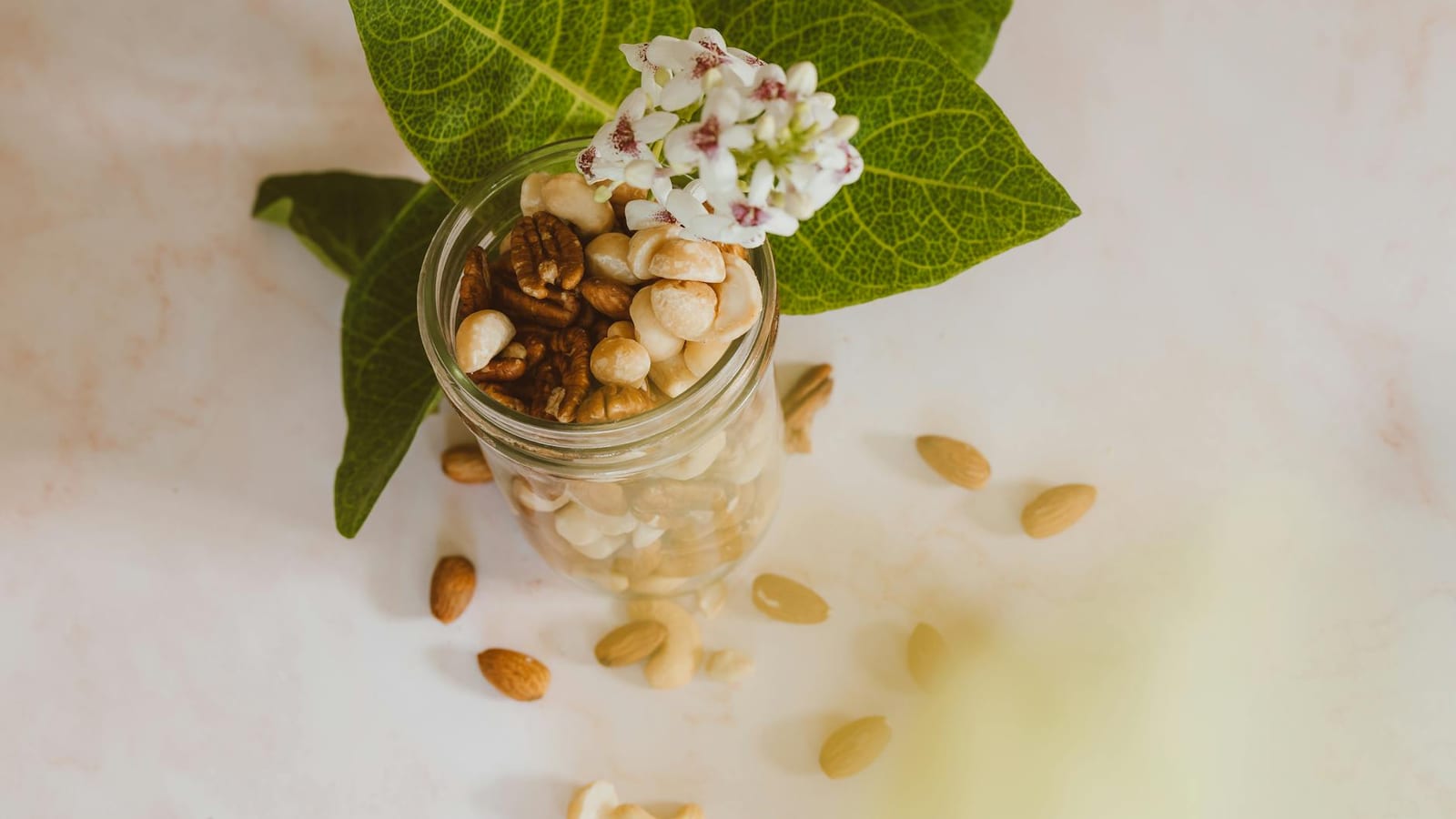
Nuts such as almonds and walnuts bring healthy fats, protein, vitamin E, and antioxidants. Seeds, including sunflower seeds, add similar benefits.
The simple idea is this. The liver does better when the body has less inflammation and better cholesterol control.
Paneer and cheese can also fit into a sensible diet. They provide protein and calcium, which help preserve muscle.
That matters because muscle uses glucose. Better muscle health can help the body handle blood sugar more steadily.
But moderation matters. A small bowl of paneer is different from a large plate drowned in butter and cream.
Avocado has healthy fat, fibre, and antioxidants. It can work well in salads, sandwiches, or simple bowls.
For Indian homes, it is still a premium food in many cities. So the larger lesson matters more than the fruit itself. Choose fibre-rich foods and healthier fats where possible.
Greek yoghurt brings protein and probiotics. Probiotics are helpful bacteria that support gut health.
The gut and liver talk to each other all day. Blood from the intestines flows to the liver, carrying nutrients and chemical signals.
When gut bacteria go badly out of balance, the body may produce more inflammatory signals. Some studies suggest this can worsen metabolic liver disease.
Eggs also offer protein and healthy fats. Boiled eggs can keep people full and help avoid sugar spikes between meals.
Again, the cooking method matters. A boiled egg helps differently from an oily egg roll eaten with sweetened tea.
Fatty liver begins when fat crosses roughly 5 percent of the liver’s weight. Alcohol can cause it, but many patients do not drink at all.
In those cases, doctors look at weight, diabetes, cholesterol, blood pressure, medicines, and lifestyle patterns.
The danger starts when fat triggers inflammation. Earlier, doctors often used the term NASH for this stage. The newer term is MASH.
Inflammation means the liver is no longer just storing fat. It is reacting to injury.
Over years, repeated injury can scar the liver. Severe scarring is called cirrhosis. At that point, the liver loses its smooth working capacity.
This is why fatty liver deserves attention before symptoms arrive. Once the liver scars badly, treatment becomes much harder.
The human angle is not hard to see. A middle-aged office worker with borderline diabetes may think fatigue is normal. A homemaker may blame abdominal heaviness on acidity. A young professional may ignore reports because “everything else is fine.”
That is exactly how fatty liver slips through.
The fix usually starts with boring advice, which also happens to work. Move more. Reduce weight if needed. Cut sugar-heavy drinks. Eat enough protein. Sleep better.
For many people, losing even a modest amount of weight can improve liver fat. Doctors often individualise the target based on risk.
The plate matters too. A liver-friendly Indian meal need not look foreign or expensive.
Think dal, curd, vegetables, eggs, fish, paneer in sensible portions, nuts, seeds, and fewer refined carbs. Think less maida, fewer sweets, and fewer fried evening snacks.
No single food can “cleanse” the liver. The liver does not need a detox trend. It needs less daily overload.
People with diabetes, obesity, high triglycerides, or high blood pressure should take fatty liver more seriously. These problems often travel together.
Anyone with abnormal liver tests should see a doctor. The same applies to persistent fatigue, right upper abdominal pain, yellowing eyes, swelling, or unexplained weight loss.
The bigger public health story is clear. Fatty liver is becoming a lifestyle mirror. It reflects how we eat, work, commute, sleep, and move.
For ordinary readers, the message is not panic. It is early correction.
A handful of nuts will not undo years of sugar and inactivity. But a steady pattern can change the liver’s future.
That is the good part about fatty liver. In many early cases, the liver can recover.
The next few decades will test families, doctors, and health systems. But the first fight still begins at home, one plate and one walk at a time.
This article is for informational purposes only and does not substitute medical advice. Consult a qualified physician for any health concern.
This article is for informational purposes only and does not substitute medical advice. Consult a qualified physician for any health concern.