Fatty Liver Cases May Hit 1.8 Billion by 2050 as Diet Risks Rise
Experts say nuts, seeds, avocado, yoghurt, eggs and paneer may support liver health, but only with weight control, exercise and less sugar.
By 2050, nearly 1.8 billion people may be carrying extra fat in the liver, many without feeling a thing.
That is the worrying part about fatty liver disease. It rarely announces itself. No dramatic pain. No obvious warning. Often, people discover it during a routine scan or blood test done for something else.
A recent analysis published in The Lancet Gastroenterology & Hepatology linked this rise to obesity, type 2 diabetes, high blood sugar, and inactive lifestyles. The condition is now called MASLD, short for metabolic dysfunction-associated steatotic liver disease.
Put simply, MASLD means fat has built up in the liver because the body’s metabolism is under stress.
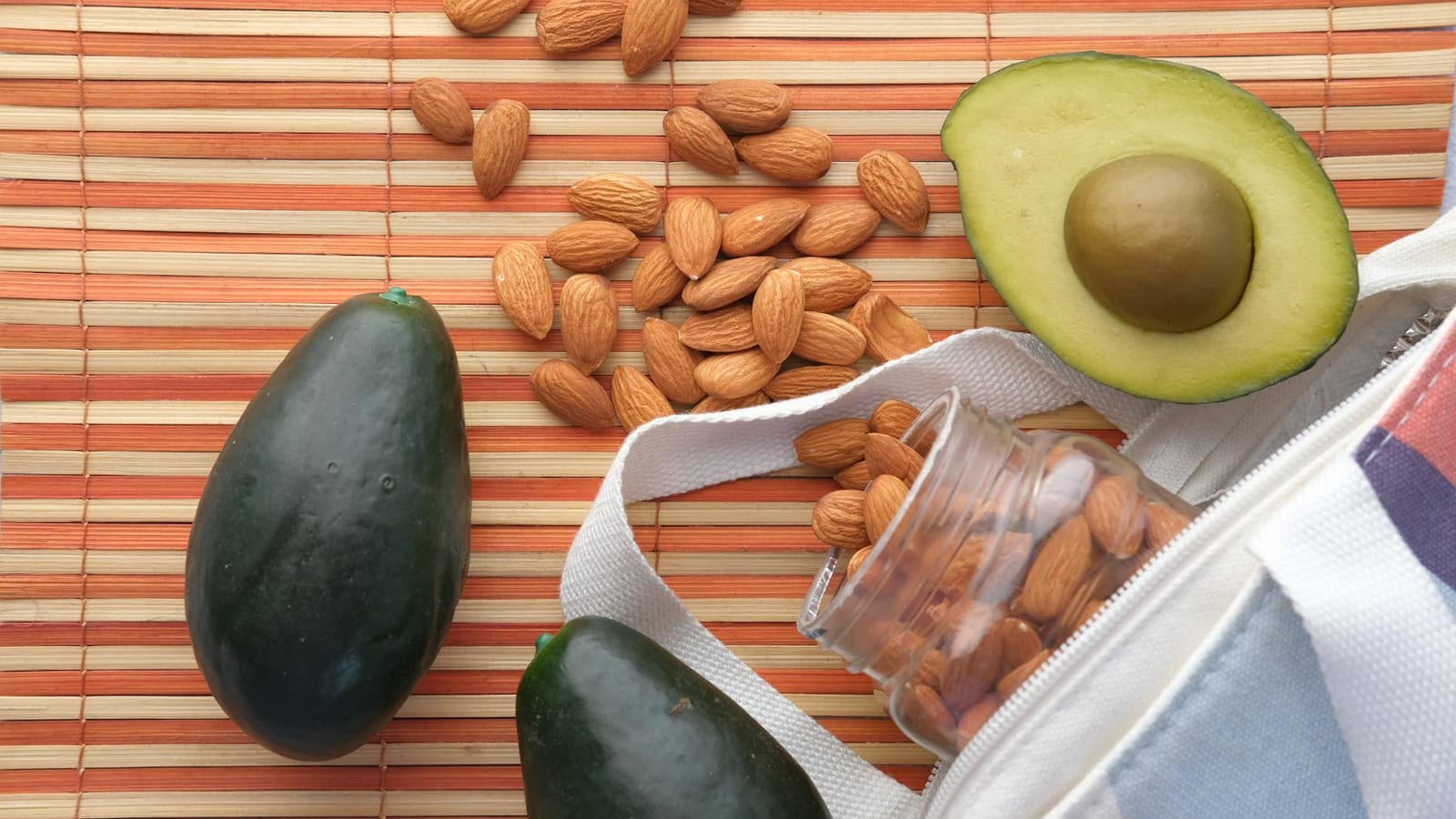
Dr Saurabh Sethi, a gastroenterologist, has pointed to everyday food choices that may support liver health. His list includes nuts, seeds, avocado, Greek yoghurt, eggs, cheese, and paneer.
But there is a catch. These foods help only when the overall diet makes sense. A handful of almonds cannot cancel out daily sugary drinks, long sitting hours, and rising weight.
The liver is not a passive storage tank. It processes sugar, fat, alcohol, medicines, and toxins. When too much fat settles inside it, the liver starts working under pressure.
Doctors usually worry when fat crosses about 5 percent of the liver’s weight. For many people, that fat causes no symptoms at first. For others, it can move towards inflammation, scarring, cirrhosis, and even liver cancer.
This is why the new global estimates matter for India. We are already dealing with a diabetes and obesity problem, especially in cities. Add desk jobs, late dinners, poor sleep, and cheap ultra-processed snacks, and the liver pays the bill quietly.
The old name, non-alcoholic fatty liver disease, often made people think only alcohol caused liver trouble. Alcohol can certainly damage the liver. But many people who never drink also develop fatty liver.
That is why doctors now use MASLD. The name shifts focus to metabolism, which means how the body handles energy, sugar, fat, and insulin.
Insulin is the hormone that helps move sugar from blood into cells. When the body stops responding well to insulin, sugar and fat handling goes wrong. Over time, that can push fat into the liver.
Dr Sethi’s first recommendation is nuts and seeds. Almonds, walnuts, and sunflower seeds contain healthier fats, protein, vitamin E, and antioxidants.
Antioxidants are compounds that help the body deal with cell stress. In fatty liver disease, stress and inflammation matter because they can push simple fat buildup towards liver injury.
Still, portion size matters. Nuts are healthy, but they are calorie-dense. For most people, a small handful works better than eating from a large packet while watching cricket.
Paneer and cheese can also fit into a liver-friendly diet, Dr Sethi said, because they provide protein and calcium. Protein helps protect muscle, which matters more than people think.
Muscle acts like a sponge for blood sugar. Better muscle health can help the body handle sugar more steadily. That can reduce metabolic stress, which is closely tied to fatty liver.
But cheese and paneer are not free passes. Deep-fried paneer starters, heavy gravies, and oversized portions can quickly turn “healthy protein” into excess calories.
Avocado also gets a mention because it contains fibre, healthy fat, and antioxidants. In Indian homes, it is still not as common as curd or dal. It is also expensive in many cities.
So the broader lesson matters more than the fruit itself. Choose foods with fibre and healthier fats. Avoid meals built around refined flour, sugar, and repeated frying.
Greek yoghurt may help because it brings protein and probiotics. Probiotics are friendly bacteria that support gut health.
The gut and liver talk to each other constantly through blood vessels and chemical signals. When gut bacteria fall out of balance, inflammation can rise. Some studies suggest this may play a role in fatty liver disease.
That does not mean every probiotic product in the supermarket is medicine. Unsweetened yoghurt or curd is a smarter choice than sweetened flavoured cups.
Eggs are another simple option. They offer protein and fat that can keep hunger steady. Boiled eggs are better than eggs drowned in butter or served with white bread and sugary tea.
The larger point is not that one food saves the liver. The pattern saves the liver.
A liver-friendly plate usually looks familiar. More vegetables. Enough protein. Some nuts or seeds. Less sugar. Fewer packaged snacks. Smaller portions of polished rice or maida-heavy foods.
For many Indian families, the real challenge is not awareness. It is routine.
A young professional on home loans may spend ten hours at a desk. A small business owner may eat late after shutting shop. Parents may feed children quickly with packaged foods because time is short.
Fatty liver thrives in that gap between knowing and doing.
The disease also hides well. Many people with fatty liver feel normal. Some report tiredness. A few feel discomfort in the upper right side of the abdomen. Most find out when an ultrasound shows fat in the liver or blood tests show raised liver enzymes.
AST and ALT are two such enzymes. When they rise, doctors may suspect liver irritation. But normal numbers do not always rule out risk, so people with diabetes, obesity, or high cholesterol should speak to a physician.
The Lancet study’s warning should not create panic. It should create seriousness.
Early fatty liver can often improve with weight loss, better food, and regular activity. Even modest weight reduction can help. Walking, strength training, and cutting sugary drinks can make a real difference.
But advanced disease needs medical care. Once scarring progresses, the liver may not bounce back easily. That is when patients can face cirrhosis, fluid buildup, bleeding risk, cancer, or transplant discussions.
India’s next health fight may not arrive through a rare virus or dramatic hospital emergency. It may arrive through millions of quiet scan reports that say “fatty liver”.
The sensible response is not fear. It is a smaller dinner plate, more movement, fewer sugary calories, better sleep, and earlier checkups.
The liver is patient, but not limitless. The sooner people treat fatty liver as a metabolic warning sign, the better their odds of avoiding a much harder conversation later.
This article is for informational purposes only and does not substitute medical advice. Consult a qualified physician for any health concern.
This article is for informational purposes only and does not substitute medical advice. Consult a qualified physician for any health concern.