DR Congo Ebola outbreak toll hits 65 as Ituri cases climb
DR Congo is battling an Ebola outbreak in Ituri, with 65 deaths and 246 suspected cases as health teams race to contain spread in remote zones.
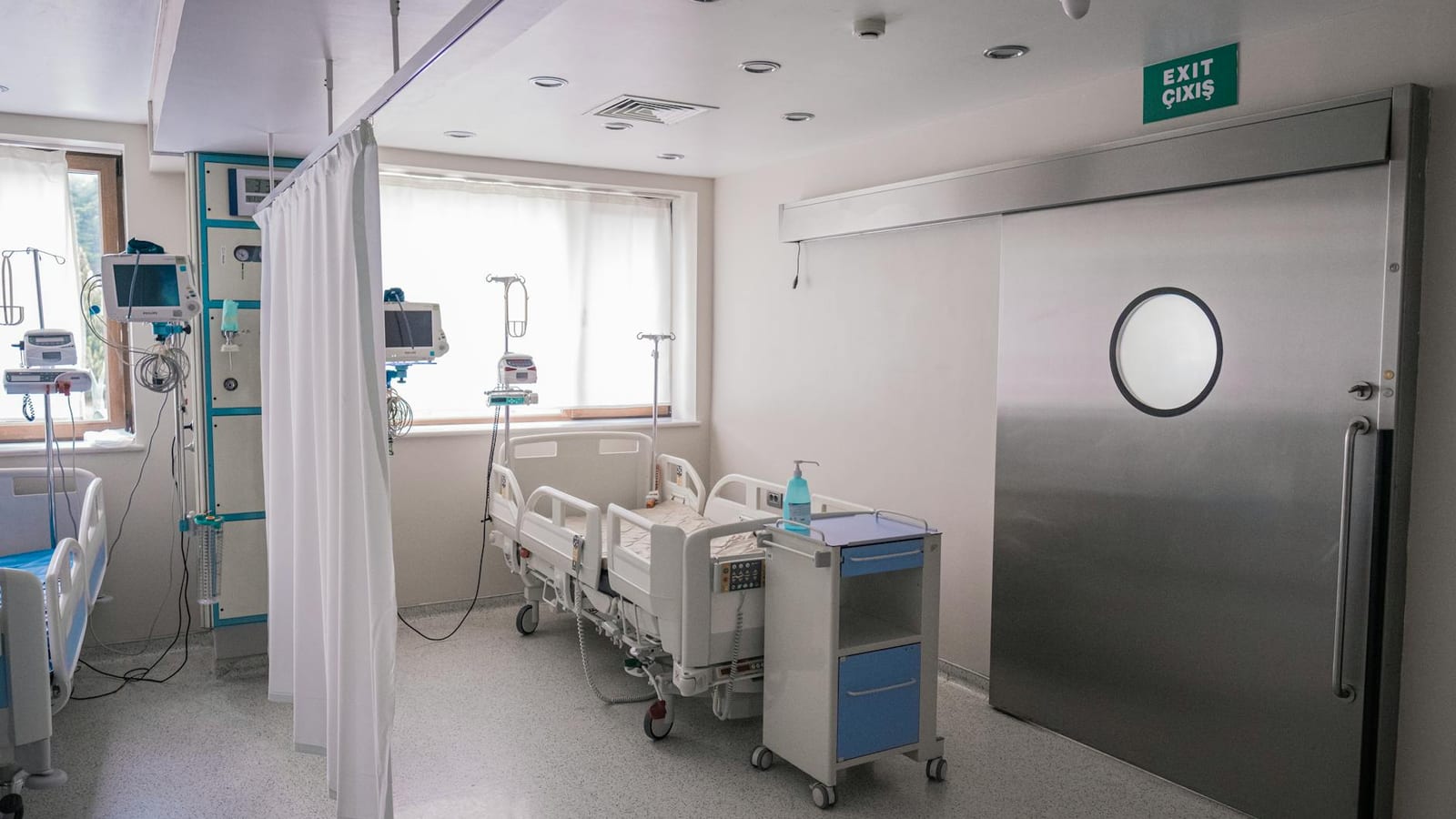
Sixty-five deaths in one remote province is not just a health bulletin. It is a warning siren.
The Democratic Republic of Congo is facing another Ebola outbreak, this time in eastern Ituri province. Africa CDC says officials have recorded 246 suspected cases so far.
For families in affected areas, this means fear at the most ordinary moments. A fever, a headache, or a funeral can suddenly become a public health emergency.
Ituri becomes the outbreak centre
The outbreak is concentrated in Ituri, especially around Mongwalu and Rwampara health zones. Officials have also reported suspected cases in Bunia, the provincial capital.
That geography matters. Ituri is not an easy place for a health response. Roads can be poor, movement can be unsafe, and health workers often work with limited support.
This is where Ebola becomes harder than a textbook disease. You need labs, isolation units, protective gear, ambulances, and trust. If even one piece fails, the virus gets more room.
Africa CDC has said only some deaths are laboratory-confirmed so far. That distinction matters. In an outbreak, officials track both confirmed and suspected cases until testing catches up.
Why Ebola spreads so brutally
Ebola does not spread like flu or Covid through casual air exposure. It spreads mainly through direct contact with body fluids from an infected person.
That includes blood, vomit, stool, saliva, sweat, and semen. It can also spread from the body of someone who died from the disease.
This is why funerals become so risky. In many communities, families wash or touch the body as part of final rites. That act of love can become dangerous during Ebola.
Animals can also play a role. The WHO has long said Ebola viruses exist in parts of sub-Saharan Africa. Fruit bats are considered likely natural hosts.
Humans can get infected after contact with sick or dead wild animals. The risk rises when people handle bushmeat without safe practices.
For Indian readers, the lesson is simple. Ebola is not a panic story for daily life here. But it is a serious reminder that outbreaks travel through weak links.
Symptoms can mislead families
Ebola often begins like many common infections. A person may get fever, headache, body pain, sore throat, and deep tiredness.
That is what makes it so dangerous early on. A family may think it is malaria, dengue, typhoid, or another fever illness.
Some patients later develop vomiting, diarrhoea, rash, stomach pain, or bleeding. In severe cases, the virus damages blood vessels and major organs.
The liver and kidneys can start failing. The body loses fluid quickly. Blood pressure can fall, and patients may go into shock.
This does not happen to everyone. But Ebola can kill a large share of infected patients without quick care.
There is another hard truth here. Early supportive treatment can save lives, even when no magic cure exists. Fluids, salts, oxygen, blood pressure support, and infection control all matter.
Doctors often describe this as buying the body time. The treatment supports the patient while the immune system fights the virus.
The strain question worries experts
Health officials are also watching the virus type. Preliminary laboratory results have suggested this may not be the usual Ebola Zaire strain.
That is not a small detail. Different Ebola virus species can behave differently. They may also affect which vaccines or treatments work best.
Africa CDC has said sequencing is under way. Sequencing means reading the virus in detail, almost like checking its fingerprint.
Until that result comes, experts will be cautious. Early data can point in one direction, but final lab work decides the response plan.
Congo has faced Ebola many times since the virus was first identified in 1976. That gives the country painful experience, but not an easy ride.
Each outbreak brings new local realities. One may occur near a border. Another may hit a mining town. Another may unfold during conflict or displacement.
Mongwalu’s mining-linked movement adds concern. Workers, traders, and families may move often between settlements. That can make contact tracing harder.
Contact tracing means finding everyone who may have touched or cared for an infected person. It sounds simple, but it is exhausting fieldwork.
Prevention depends on trust
The first job now is not dramatic medicine. It is basic public health, done fast and done well.
Authorities need to isolate suspected patients, test samples quickly, trace contacts, and protect health workers. They also need communities to cooperate.
That last part often decides the outcome. If people fear hospitals, hide symptoms, or avoid reporting deaths, Ebola spreads quietly.
Public health teams must speak clearly. They must explain that Ebola does not spread through ordinary food, water, or air in the usual way.
They must also avoid blame. Families caring for sick relatives are not careless. They are often doing what love and custom demand.
The safer message is practical. Do not touch body fluids. Do not handle bodies without trained help. Seek care early when fever appears in an affected area.
For India, the immediate risk remains limited unless travel or direct exposure is involved. But Indian airports, hospitals, and travellers know this script well by now.
Global outbreaks rarely stay “foreign” in a connected age. Even when they do not arrive at our door, they test the same systems we depend on.
Ebola’s real lesson is not fear. It is speed, honesty, and trust. For ordinary people, that means health systems must catch danger early, explain it plainly, and treat patients with dignity before rumours outrun medicine.
This article is for informational purposes only and does not substitute medical advice. Consult a qualified physician for any health concern.
This article is for informational purposes only and does not substitute medical advice. Consult a qualified physician for any health concern.