Doctors Urge Early Diagnosis For Sports Injuries
Doctors say knee, ACL and meniscus injuries need quick assessment, as early care can reduce complications and help athletes return safely to sport.
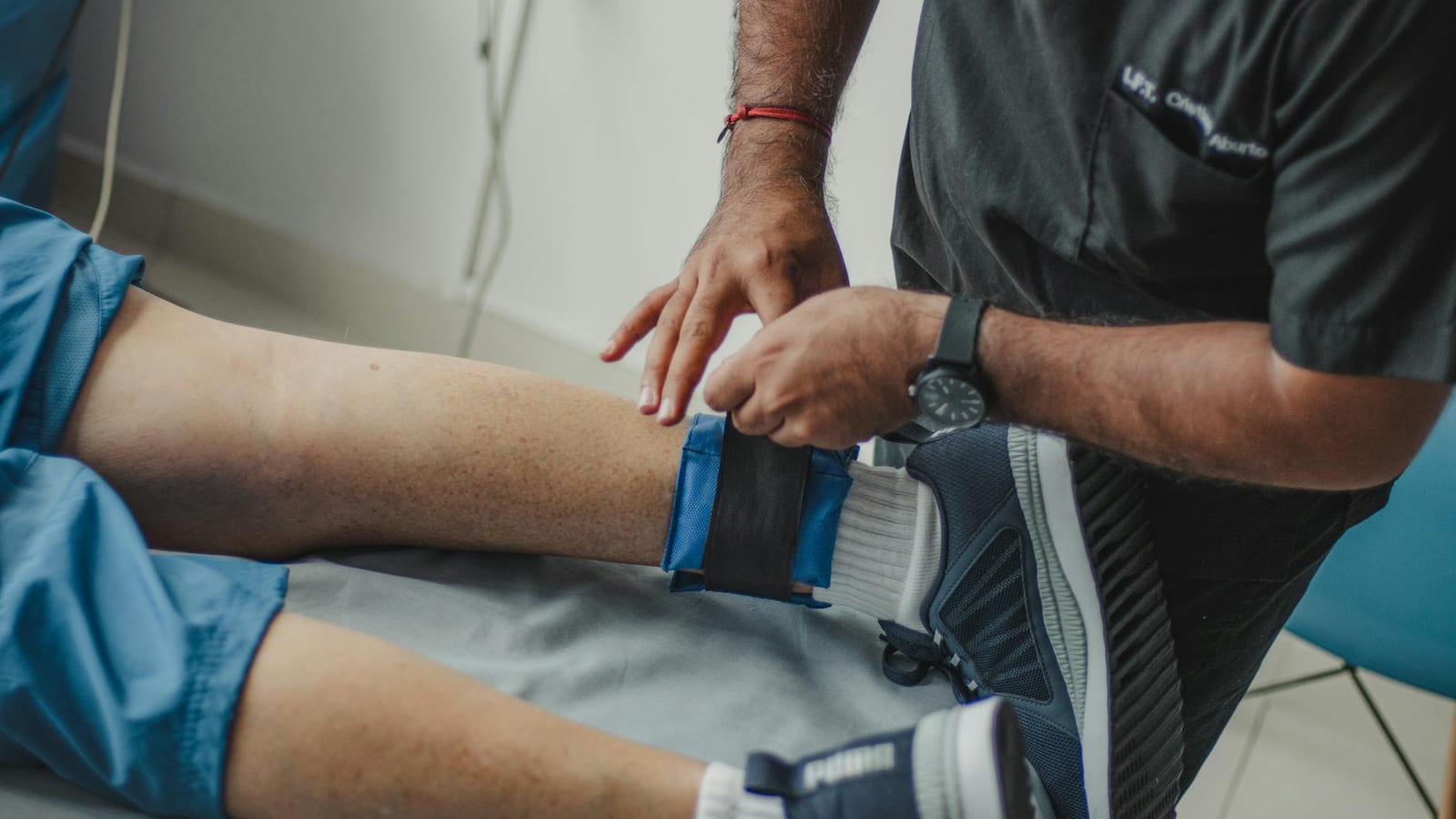
A twisted knee on a football turf can look ordinary at first. One bad turn, one sharp pain, then a familiar Indian sentence: “It will settle.”
That small delay often decides the real story. For a student athlete, a weekend runner, or a gym regular, a sports injury is not just pain. It can mean lost practice, medical bills, missed work, and months of doubt.
Doctors now have better tools than they did a generation ago. But the old rule still holds. The earlier you understand the injury, the better your chance of returning well.
Knee injuries need early attention
A senior arthroscopy and trauma surgeon at ABC Orthopaedic Hospital in Manjeri has highlighted a familiar list of sports injuries. The knee leads that list.
The ACL, a key ligament inside the knee, often tears during sudden turns, jumps, or awkward landings. Ligaments are strong bands that hold bones together. When one tears, the knee may feel loose or unstable.
The meniscus is another common casualty. It is a rubbery cushion inside the knee. It helps the joint absorb shock. A tear can cause swelling, locking, or pain while squatting.
Ankle sprains, tennis elbow, and shoulder injuries also turn up often. The pattern is clear. Sports injuries usually hit muscles, ligaments, bones, and joints.
The American Academy of Orthopaedic Surgeons says ACL injuries often occur along with meniscus damage. That matters because a “simple knee pain” may hide more than one problem.
New treatments change recovery
The biggest shift in sports medicine is not glamour. It is precision.
Doctors no longer treat every injury with the same broad approach. They now use scans, clinical tests, physiotherapy plans, injections, and surgery only where needed.
PRP therapy has become a popular option in some soft tissue injuries. PRP means platelet-rich plasma. A doctor takes a patient’s blood, processes it, and injects a concentrated part back near the injury.
Yale Medicine describes PRP as a treatment that uses a person’s own blood components. The idea is simple. Platelets contain growth factors, which may support healing in selected injuries.
But this is where patients must be careful. PRP is not magic. Evidence varies by injury, age, tissue type, and the exact method used.
For a tennis elbow or some tendon problems, it may help selected patients. For a complete ACL tear, an injection cannot stitch a broken ligament back together. That mechanical job may still need surgery.
Stem cell treatment gets even more attention, and even more hype. Some centres offer it for sports injuries. But patients should ask what evidence supports it for their exact diagnosis.
A good sports injury specialist will not sell one treatment for every pain. The right question is not “new or old?” It is “what problem are we treating?”
Keyhole surgery reduces disruption
When surgery becomes necessary, arthroscopy has changed the patient experience.
Arthroscopy is often called keyhole surgery. The surgeon makes small cuts and uses a tiny camera to see inside the joint. Instruments then repair or remove damaged tissue.
The American Academy of Orthopaedic Surgeons lists ACL tears and meniscus tears among problems often treated with arthroscopy. It also notes that recovery can be faster than open surgery in many cases.
For patients, the benefit is practical. Smaller cuts usually mean less tissue damage and less visible scarring. Many people also return to movement earlier, under supervision.
Still, smaller cuts do not mean smaller seriousness. Knee surgery remains surgery. Blood clots, infection, swelling, and nerve or vessel injury can occur, even if uncommon.
This is where Indian patients often make a costly mistake. They compare surgeries by incision size, not by rehabilitation quality.
A neat operation can fail if the patient skips physiotherapy. An excellent repair can struggle if someone rushes back to sport too soon.
Rehab rebuilds strength, balance, and confidence. It teaches the joint to behave again during real movement, not just on a clinic bed.
First aid still matters
The first few hours after injury remain boringly important. That is often where families and coaches can help most.
The PRICE protocol remains a useful first-aid guide for many fresh sports injuries. PRICE means protect, rest, ice, compression, and elevation.
Protect the injured part from more damage. Rest it briefly. Apply ice wrapped in cloth. Use a compression bandage if appropriate. Keep the limb raised when possible.
This does not replace a doctor. It buys time and may reduce swelling before evaluation.
Sports medicine has also moved beyond total rest. The British Journal of Sports Medicine has discussed newer thinking, including careful loading after the early phase. In plain English, movement returns in stages.
That means patients should not lie in bed for weeks without advice. Nor should they “test” the injury by playing the next match.
The middle path is medical assessment, then planned rehab. A physiotherapist gradually rebuilds range of motion, strength, balance, and sport-specific movement.
The Manjeri surgeon’s message is blunt but useful. Hiding pain can end a sporting career. Early diagnosis and structured rehabilitation can help many athletes regain form.
For ordinary Indians, the lesson goes beyond competitive sport. A knee injury affects stair climbing, commuting, prayer postures, office work, and sleep. The goal is not just returning to a pitch. It is returning to daily life without fear.
Modern sports medicine gives patients more options than before. But the smartest move is still simple. Do not romanticise pain, do not chase miracle cures, and do not delay care when a joint feels wrong. The future of recovery will belong to people who combine better technology with old-fashioned discipline.
This article is for informational purposes only and does not substitute medical advice. Consult a qualified physician for any health concern.
This article is for informational purposes only and does not substitute medical advice. Consult a qualified physician for any health concern.