Darbhanga Ragi Fields Shrink as Millet Demand Grows
Darbhanga's marua farms are declining even as ragi gains attention for nutrition, raising concerns over local food heritage and millet access.
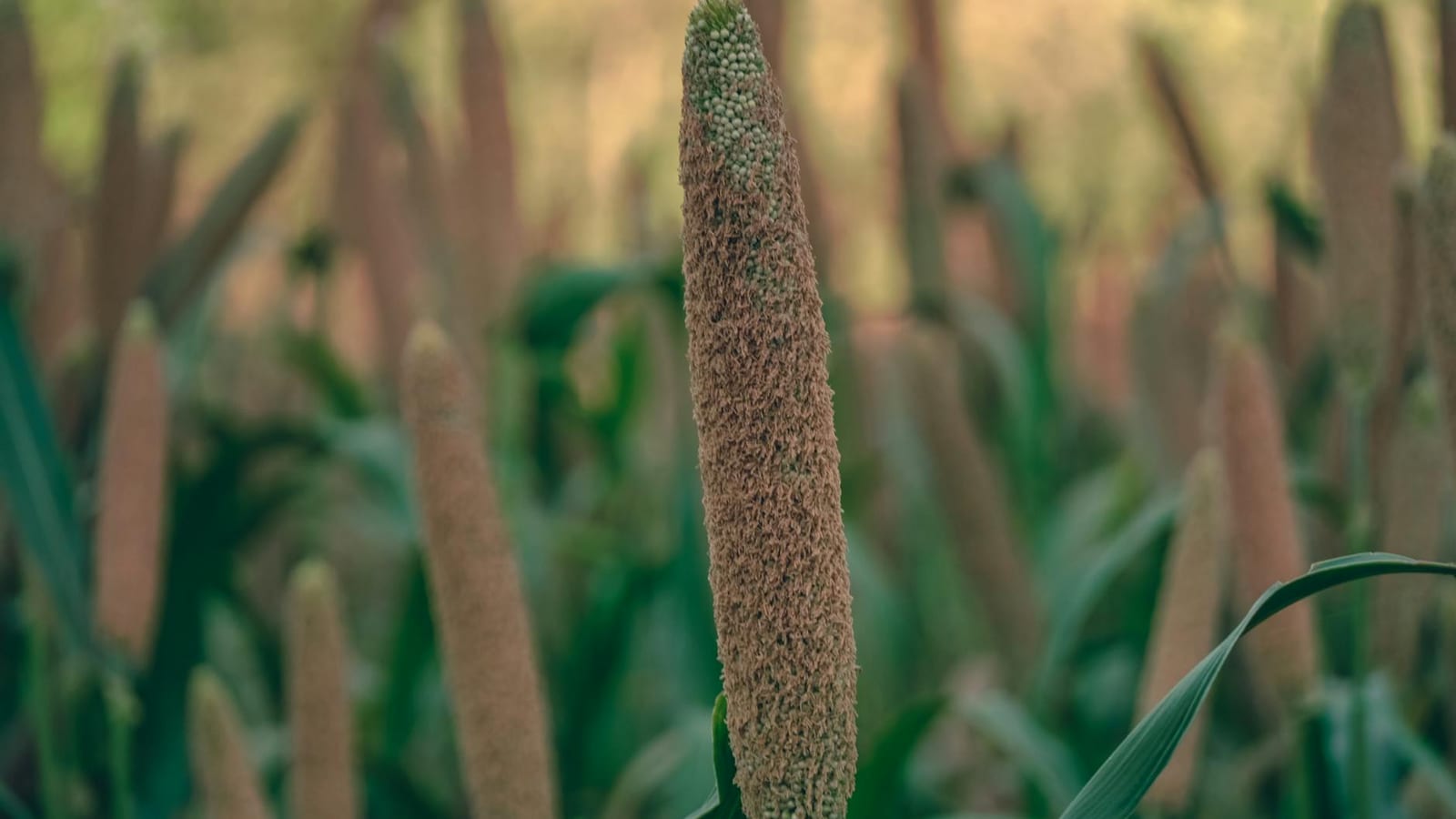
A grain that once sat quietly in village kitchens is now being missed in the field.
In Darbhanga, marua cultivation is said to be shrinking, even as doctors and nutrition experts keep telling India to eat more diverse grains. That irony should make us pause.
Marua, better known in many parts of India as ragi or finger millet, is not a miracle food. But it is a sensible, old Indian grain with real nutritional value.
Darbhanga’s old grain problem
For families in north Bihar, marua was never fancy. It was the kind of food that belonged to everyday life, not wellness shelves.
People ate it as rotis, porridge, or local preparations because it filled the stomach and suited the soil. It did not need the glamour now attached to “superfoods”.
That is exactly why its decline matters. When a local grain disappears, a community loses more than one crop. It loses taste, farming memory, and a cheap nutrition option.
India has seen this before. Rice and wheat became the main staples because policy, procurement, and habit pushed them forward. Millets slowly moved to the margins.
Now the same millets are returning through packaged atta, breakfast mixes, and urban diet plans. The village grain has become a city product.
Why marua interests nutrition experts
Marua is finger millet, one of the better-known millets in India. The Food and Agriculture Organization lists finger millet among millet crops grown in South Asia.
The real strength of marua lies in its mineral profile. ICAR-IIMR lists finger millet as rich in calcium compared with many common cereals.
Its data puts finger millet at about 344 mg calcium per 100 grams. That is a serious number for a grain.
Calcium matters because bones are living tissue. The body constantly breaks down and rebuilds bone. If the diet lacks calcium over time, bones can become weaker.
Marua also contains iron, though not enough to treat anaemia by itself. ICAR-IIMR lists finger millet at about 3.9 mg iron per 100 grams.
That sounds useful, but the body does not absorb all plant iron easily. Vitamin C from foods like lemon, amla, guava, or tomatoes can help improve absorption.
So the honest line is simple. Marua can support a better diet. It cannot replace medical care for anaemia.
The diabetes claim needs care
The source material links marua with diabetes, and that needs careful handling.
Millets usually contain more fibre than polished rice. Fibre slows digestion. That can reduce sudden spikes in blood sugar after meals.
For someone with diabetes, that can help when marua replaces refined grains in sensible portions. But it does not make blood sugar management automatic.
A large plate of marua roti with little protein or vegetables can still raise sugar. Food works as a full meal, not as one magic ingredient.
This is where many health claims go wrong. They turn a useful food into a cure. That misleads families who already face enough confusion.
A better plate would pair marua with dal, curd, vegetables, eggs, fish, or paneer. Protein and fibre together keep hunger steadier.
People on diabetes medicines should also be careful with sudden diet changes. Lower-carb meals can affect sugar readings. A doctor or dietitian can guide that shift.
India’s millet advice is practical
ICMR-NIN gives a clear direction in its 2024 dietary guidelines. It recommends that adults get 20 percent to 30 percent of cereals by raw weight from millets.
That does not mean everyone must abandon rice or wheat. It means the plate needs variety again.
Think of it like this. If a household eats cereals daily, part of that could come from ragi, bajra, jowar, or other millets. The change can be gradual.
This advice also fits Indian reality. Many families cannot buy expensive health foods every week. Millets, when locally grown and fairly priced, can be affordable.
But affordability depends on the market. If farmers stop growing marua, urban demand may push prices up. Then the poor lose first access to the grain.
That is the uncomfortable part. India celebrates millets at conferences, but local farmers still need buyers, storage, processing, and fair returns.
A farmer will not grow marua only because it has calcium. He grows it when the crop pays, the market exists, and the family sees value.
What families should remember
For ordinary readers, the marua story should not become another food trend. It should become a reminder to look again at local grains.
If marua is available, use it with common sense. Start with small portions. Mix it into rotis. Try porridge. Pair it with protein and vegetables.
Children, pregnant women, older adults, and people with anaemia need medical advice if symptoms exist. Fatigue, dizziness, breathlessness, and pale skin need attention.
People with diabetes should track sugar readings after changing staples. The body gives better feedback than social media advice.
The bigger public health lesson is also clear. India cannot fight anaemia, diabetes, and weak diets with one grain. It needs diverse food, better awareness, and regular care.
Marua deserves a place on the plate because it is useful, local, and time-tested. But its real comeback will happen only when farmers, families, doctors, and markets all move in the same direction.
This article is for informational purposes only and does not substitute medical advice. Consult a qualified physician for any health concern.
This article is for informational purposes only and does not substitute medical advice. Consult a qualified physician for any health concern.