Cruise Hantavirus Cluster Triggers Cross-Border Health Alert
A hantavirus outbreak linked to MV Hondius has caused three deaths and prompted WHO and ECDC contact tracing across passengers from 23 countries.
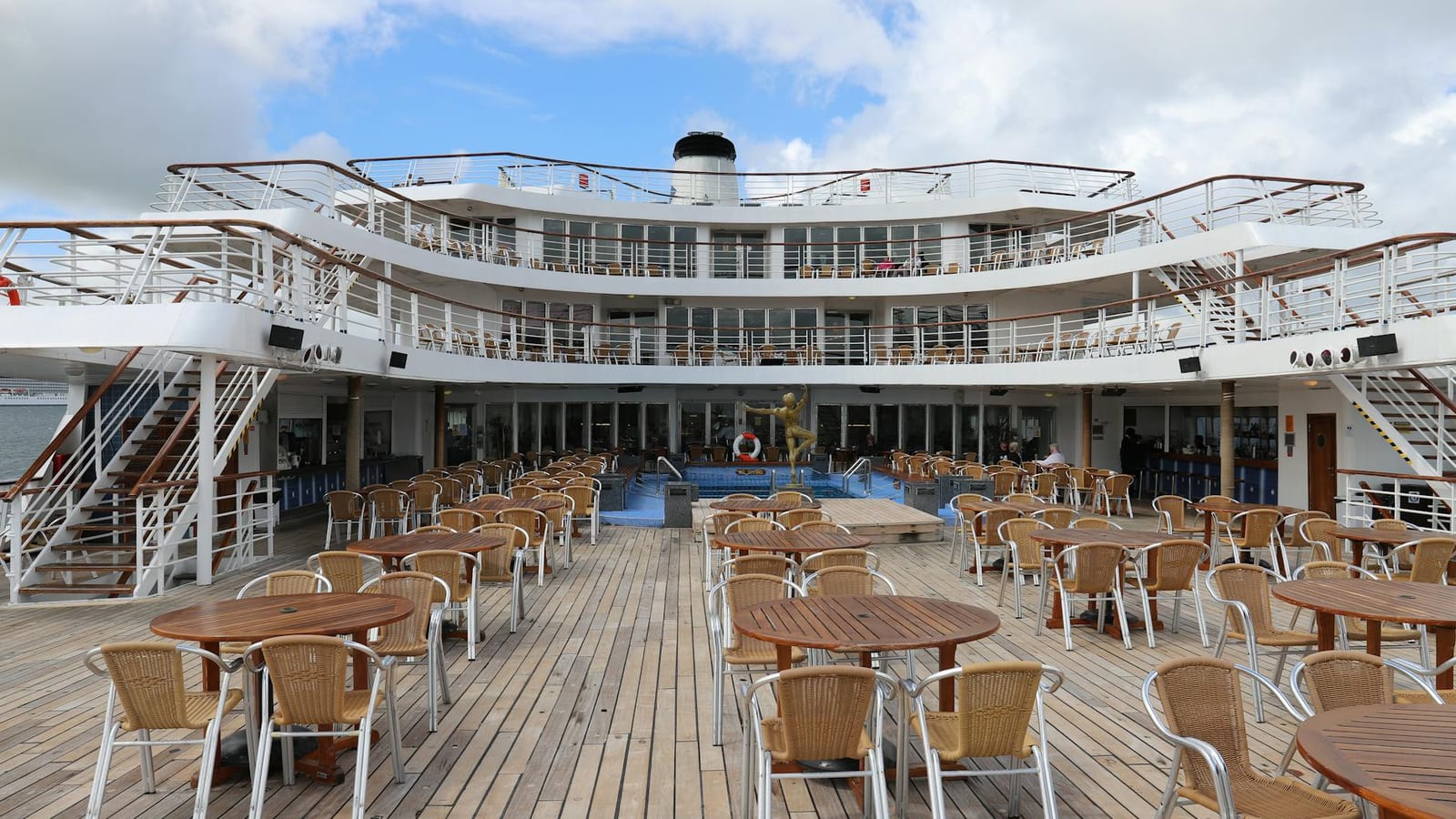
A holiday cruise is supposed to end with tired suitcases and camera rolls. This one has ended with quarantine calls, hospital transfers, and a rare virus most travellers had never heard of.
The illness is hantavirus, and the ship is the MV Hondius, a Dutch-flagged cruise vessel linked to a cluster of severe respiratory infections. Health updates have put the count at around 9 to 11 cases, including three deaths.
That number may sound small. In public health, small numbers can still matter when the disease is severe, the setting is enclosed, and passengers have scattered across countries.
Hantavirus reaches a cruise ship
The WHO said it received an alert on 2 May about severe respiratory illness among passengers on the ship. The vessel had 147 passengers and crew on board, and some passengers had already disembarked.
The ECDC later said the ship carried people from 23 countries. That is why this did not stay as one ship’s medical problem. It quickly became a contact-tracing problem across borders.
By 8 May, WHO had listed eight cases, including six confirmed infections. ECDC’s 11 May update placed the total at nine cases, with seven confirmed and two probable. Later health updates indicated the cluster may have reached 11 infections.
The virus identified in confirmed cases is Andes hantavirus. That detail matters. Most hantaviruses spread from rodents to humans. Andes virus is unusual because it can also spread between people, though not easily.
Why doctors are watching closely
Hantavirus does not behave like a common cold. WHO says people usually catch it through contact with urine, droppings, or saliva from infected rodents. That can happen while cleaning closed spaces, visiting rodent-infested areas, or disturbing contaminated dust.
The early illness can look ordinary. Fever, body ache, headache, chills, nausea, vomiting, diarrhoea, and stomach pain may appear first. Then the dangerous part can arrive suddenly.
In severe cases, the lungs fill with fluid and breathing becomes difficult. Blood pressure can drop. The body can move from fever to respiratory failure in a frighteningly short time.
This is why families should not treat a travel-linked fever casually. That does not mean panic. It means giving doctors the travel history early, especially after a trip through a known outbreak area.
WHO has said symptoms often appear 2 to 4 weeks after exposure. They can show up as early as one week or as late as eight weeks. That long window makes monitoring harder.
Not another Covid moment
Any virus on a cruise ship now triggers bad memories. We have all seen what enclosed spaces can do to infection control. But WHO has been careful to say this is not another Covid-like pandemic.
That distinction matters. Covid spread easily through the air across ordinary social contact. Andes hantavirus can spread between people, but past outbreaks suggest it usually needs close and prolonged exposure.
Still, cruise ships compress life. People share dining rooms, corridors, cabins, lounges, and medical spaces. Even a virus that does not spread easily gets more chances in such settings.
WHO has assessed the global public health risk as low. ECDC has also said the risk to the general population in Europe remains very low. That should calm travellers without making them careless.
The sharper concern sits with the passengers, crew, close contacts, and healthcare teams managing them. For them, the risk is not abstract. It is about testing, isolation, medical care, and anxious waiting.
What this means for Indian travellers
For Indians, the lesson is not “avoid cruises”. That would be too simple. The better lesson is to understand how travel health works when rare infections appear far from home.
Many Indian families now plan international holidays with cruise legs, wildlife tours, and remote excursions. These trips are no longer only for the super-rich. Upper-middle-class travellers from Mumbai, Delhi, Bengaluru, Hyderabad, and Ahmedabad book them months in advance.
The risk often sits in the fine print. A birding stop, a rural trail, a storage area, or a poorly cleaned lodge can matter. Rodent exposure is not always dramatic. You may never see the animal.
Doctors usually ask about fever, cough, and medicines. Travellers should also mention where they went, what they touched, and whether anyone on the trip fell ill. That one extra detail can change the diagnosis.
Cruise operators also have a duty here. They must keep medical logs, isolate sick passengers quickly, and share information with health authorities. In outbreaks, silence wastes time.
For passengers, the practical rules are simple. Avoid areas with signs of rodent activity. Do not sweep or disturb dusty enclosed spaces. Report fever and breathing trouble early. After returning, tell a doctor about recent travel if symptoms appear.
The hard balance of public health
Public health teams must walk a narrow line. If they underplay the outbreak, people may ignore symptoms. If they overstate it, panic spreads faster than the virus.
This case needs calm precision. Three deaths in a small cluster are serious. At the same time, current evidence does not point to wide community spread.
The investigation will now focus on where the first exposure happened. WHO has said early clues suggest possible rodent exposure linked to outdoor activity in South America. Authorities will also study whether any transmission happened aboard the ship.
That second question is the one doctors will watch closely. If more cases appear among people with no rodent exposure, it may tell investigators more about person-to-person spread in enclosed spaces.
For ordinary readers, the takeaway is almost boring, but useful. Travel has become global, and infections travel with it. Good health systems do not wait for big numbers. They act early, trace contacts, and explain risk clearly.
The hantavirus outbreak on MV Hondius is a reminder that rare diseases can still find modern routes. Plan the holiday, take the cruise, see the world. But when fever follows travel, do not guess. Tell the doctor the full story.
This article is for informational purposes only and does not substitute medical advice. Consult a qualified physician for any health concern.
This article is for informational purposes only and does not substitute medical advice. Consult a qualified physician for any health concern.