Biotin deficiency in pregnancy may show up as fatigue, hair fall
Biotin, or vitamin B7, helps the body convert food into energy and supports nerves, hair, skin and nails during pregnancy.
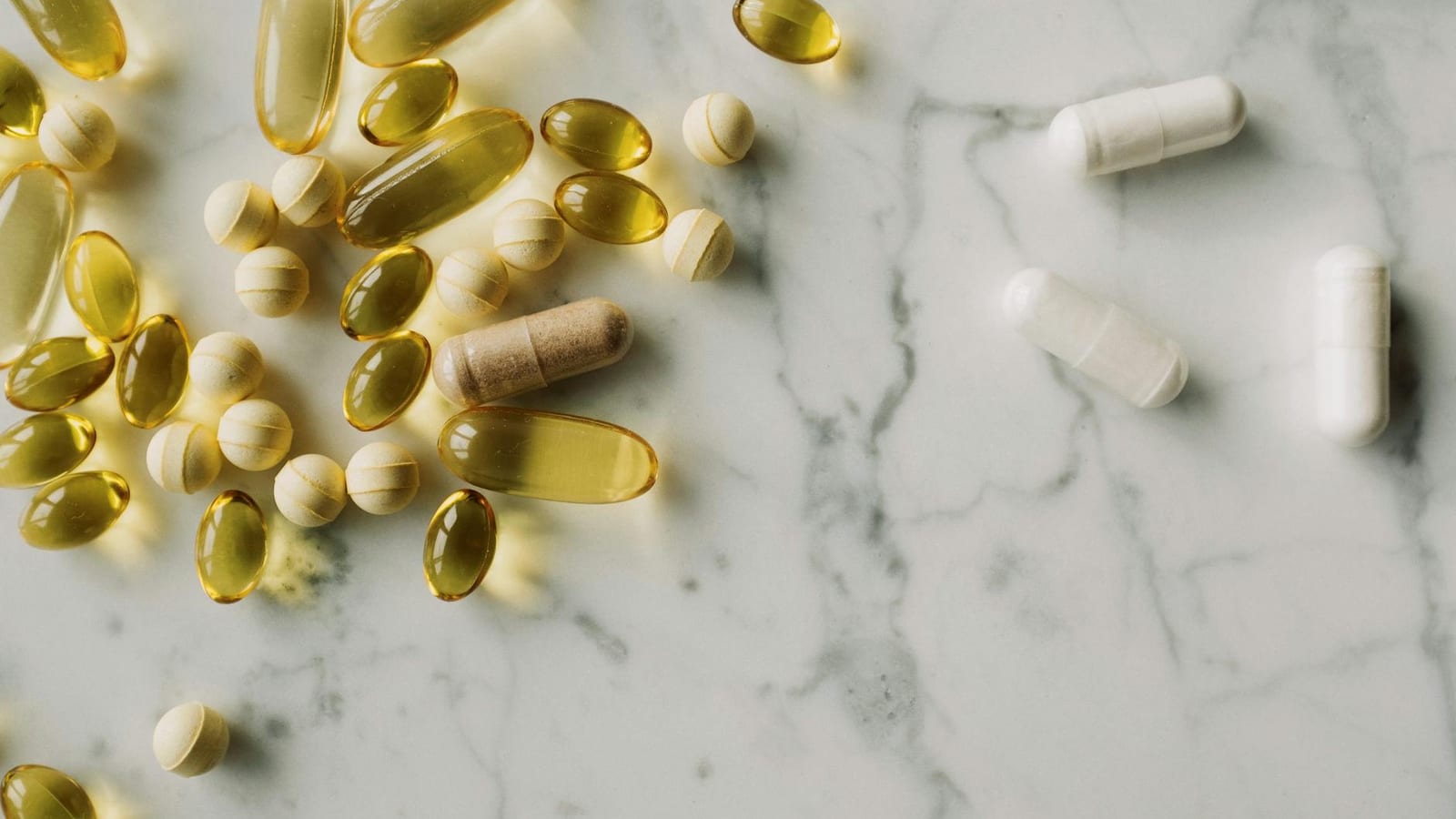
One in three pregnant women may run low on a vitamin most families barely discuss at breakfast.
That vitamin is Vitamin B7, better known as biotin. People often connect it with hair, skin and nails. That is not wrong. But biotin also helps the body turn food into usable energy.
That matters because the first signs can look ordinary. Hair fall, tiredness, brittle nails, rashes and tingling in the hands can all get blamed on stress, weather or a bad week.
Why biotin matters daily
National Institutes of Health says biotin helps enzymes process fats, carbohydrates and proteins. Think of enzymes as tiny workers inside cells. Biotin helps them do their job.
Biotin does not give energy like sugar does. It helps the body unlock energy from food. That is why a shortage can make a person feel drained, even after eating normally.
It also supports the nervous system. That is the body’s wiring system, from the brain to the fingers and toes. When it struggles, people may feel tingling, numbness or unusual weakness.
For most healthy adults, the daily adequate intake is about 30 micrograms. Breastfeeding women may need around 35 micrograms. These are tiny amounts, but tiny does not mean unimportant.
Pregnancy raises the risk
Pregnancy changes how the body uses nutrients. The mother’s body has to support itself and a growing baby. That can quietly push some vitamins into short supply.
NIH data suggests marginal biotin deficiency can develop in about one-third of women during normal pregnancy. That does not mean every pregnant woman needs a pill. It means doctors should take nutrition questions seriously.
This is where Indian families often get practical. A pregnant woman may already take iron, calcium or folic acid. Adding another supplement without medical advice can create confusion.
The smarter step is simple. Tell the doctor about diet, hair fall, fatigue and all supplements already being taken. That gives the doctor the full picture.
Common signs are easy to miss
Biotin deficiency can show up through thinning hair, skin rashes, brittle nails and tiredness. NIH also lists nervous system problems among possible signs.
The difficult part is that these signs overlap with many other conditions. Thyroid trouble, iron deficiency, vitamin B12 deficiency and stress can cause similar complaints.
That is why self-diagnosis can mislead people. A young professional with sudden hair fall may blame shampoo. A new mother may blame sleep loss. Sometimes they are right. Sometimes the body needs testing.
Doctors usually look at the full pattern. They may ask about diet, gut problems, pregnancy, medicines and recent antibiotic use. One symptom alone rarely tells the whole story.
Food usually comes first
Most people can meet biotin needs through a balanced diet. NIH lists eggs, organ meats, nuts, seeds, seafood and lean meats as useful food sources.
For Indian kitchens, that can mean eggs, peanuts, almonds, walnuts, sunflower seeds and varied dals. Non-vegetarians may get some from fish, meat and eggs.
Raw egg whites deserve a special mention. They contain avidin, a protein that binds biotin and can block absorption. Cooking reduces that problem.
Gut health also matters. Long courses of antibiotics can disturb healthy gut bacteria. Some of these bacteria help make biotin. That does not mean avoiding antibiotics when needed. It means taking them only as prescribed.
People with bowel conditions may also absorb nutrients poorly. In such cases, food alone may not fix the issue. A doctor can decide whether testing or supplementation makes sense.
Supplements need caution
Biotin supplements are popular because they promise better hair and nails. The evidence is not as strong for everyone as marketing suggests.
People with confirmed deficiency may benefit. Pregnant women, people with gut disorders or those on certain medicines may need advice. But high-dose tablets are not a beauty shortcut.
The Food and Drug Administration has warned that biotin can interfere with some lab tests. These include thyroid tests and certain heart-related blood tests.
That matters in real life. A wrong test result can delay the right diagnosis. Anyone taking biotin should tell the doctor before blood work.
Because biotin dissolves in water, the body usually removes extra amounts through urine. Still, very high supplement doses can create problems through test interference.
The safest rule is boring but useful. Do not start high-dose biotin because an influencer, salon worker or gym friend recommends it.
Biotin sits in that awkward space between wellness and medicine. It is real science, but the market around it can run ahead of the evidence. For ordinary readers, the message is not panic. Eat varied food, watch persistent symptoms, and treat supplements like medicine, not candy. Hair fall may be cosmetic on the surface, but sometimes it is the body asking for a closer look.
This article is for informational purposes only and does not substitute medical advice. Consult a qualified physician for any health concern.
This article is for informational purposes only and does not substitute medical advice. Consult a qualified physician for any health concern.