Bihar pesticide poisoning puts spotlight on rural safety gaps
Four girls were treated after alleged pesticide consumption in Gopalganj, underscoring how rural access to toxic chemicals can turn distress into crisis.
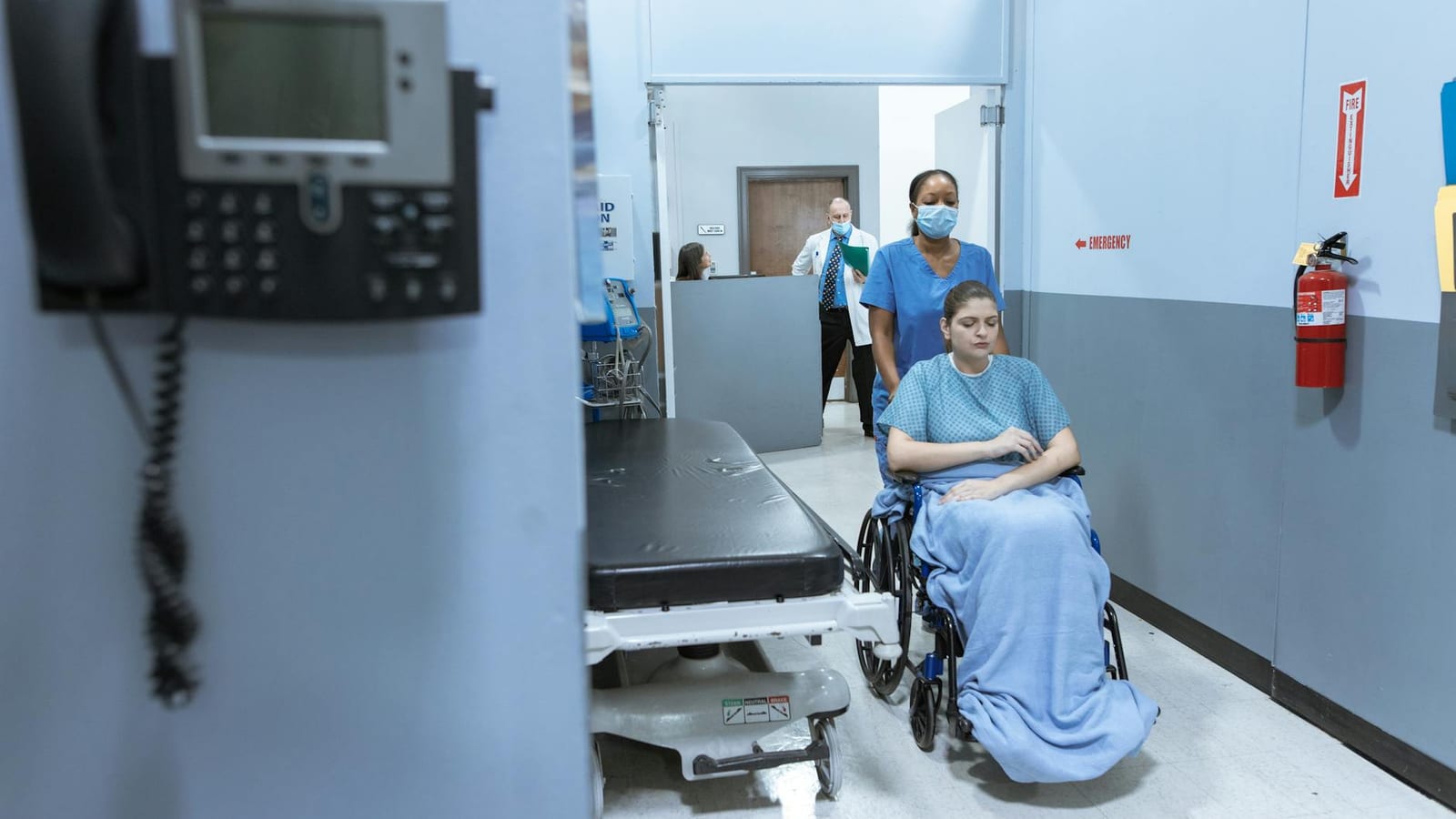
Four girls reaching a Bihar hospital after consuming pesticide is not just a police diary entry. It is a warning sign.
In Gopalganj, four girls were reported to have consumed pesticide within 24 hours. They were being treated at Sadar Hospital. The available details remain thin. Their ages, circumstances, and medical condition were not clearly stated.
That is exactly why the story needs care, not noise.
Pesticide poisoning sits at the messy edge of health, farming, family stress, and public safety. In rural India, pesticide is often close at hand. It may sit in a storeroom, near cattle feed, or beside farm tools. In a moment of panic, anger, shame, or confusion, easy access can turn a crisis into an emergency.
The World Health Organization has repeatedly warned that limiting access to highly dangerous pesticides can save lives. Its point is simple. Many acts of self-harm happen during short, intense moments of distress. If the most lethal option is not within reach, families and doctors get time to intervene.
That gap of time can decide everything.
Doctors who treat pesticide poisoning know how brutal it can be. Some chemicals attack the nervous system. The body starts losing control of basic functions. Breathing may become difficult. Saliva, vomiting, sweating, seizures, confusion, and collapse can follow.
In severe cases, a patient needs oxygen, medicines, and close monitoring. Some need intensive care. The first few hours matter a lot.
The WHO says pesticides are potentially toxic to humans and must be stored and used safely. That sounds obvious, but India’s villages know the hard part. Farm chemicals are part of daily life. Families use them to protect crops, and many cannot afford waste or crop loss.
So the answer cannot be a lazy lecture from cities.
A farmer cannot simply stop using pest control because someone in an office says so. A small grower worries about one failed crop, one loan, one bad season. But the same household also needs safer storage, clearer labels, and quick access to medical help.
This is where India often falls short.
We talk about hospital beds after the ambulance arrives. We rarely talk about the locked box before the crisis. We discuss mental health after a tragedy. We do not make counselling easy enough before a teenager breaks down.
The Gopalganj cases also raise a delicate question. Were these accidental poisonings? Were they acts of self-harm? Were they linked to family conflict, school pressure, relationships, or something else? The public record does not answer that.
So we should not guess.
But we can say this much. When several young people in one district consume pesticide in such a short span, health officials should treat it as a community alarm. Not as gossip. Not as shame. As a preventable public health problem.
Families often miss early warning signs because distress does not always look dramatic. A young person may stop eating properly. She may withdraw from friends. She may sleep too much or too little. She may become unusually angry, quiet, or hopeless.
None of these signs confirm danger by themselves. But they deserve attention.
In many Indian homes, emotional pain still gets dismissed as mood, stubbornness, or bad behaviour. Girls face an extra burden. Their movement, friendships, education, and choices often get policed more tightly. That pressure can build quietly.
A family may think it is maintaining discipline. A child may experience it as a wall closing in.
This is not about blaming parents. Most families act from fear, not cruelty. They worry about safety, reputation, money, marriage, and the future. But fear can become suffocating when nobody listens.
Health systems must fill that gap.
India now has Tele MANAS, the government’s mental health helpline. Several government and institutional pages list 14416 and 1-800-891-4416 as helpline numbers for free, confidential support. People in distress can call, and families can also seek guidance.
A phone call will not solve every crisis. But it can open a door.
Schools also need a sharper role. A teacher often sees changes before a parent does. Falling attendance, sudden silence, frequent crying, or conflict with classmates can be early signs. Schools should know where to refer children, not just punish them for “indiscipline.”
Primary health centres need training too. Many pesticide cases first reach small facilities, not big hospitals. Staff must know how to stabilise patients, identify the likely chemical, and refer fast. Every delay raises risk.
The WHO advises safe handling, protective gear, and proper storage of pesticides. In plain language, that means keeping chemicals away from kitchens, bedrooms, children, and impulsive access. A locked container can be as important as a warning label.
Local administrations can do more without waiting for Delhi.
They can ask pesticide sellers to display safety messages. They can push schools to share helpline details. They can train ASHA workers to spot emotional distress. They can help families store toxic products safely, especially in villages where farming chemicals sit inside homes.
Regulation matters too. The WHO and the Food and Agriculture Organization have urged governments to phase out highly hazardous pesticides. That is not only an environmental issue. It is also suicide prevention.
When less lethal alternatives exist, policy should move people toward them.
India has seen this pattern before. Public health improves when we stop treating each emergency as a private family failure. Road deaths fell in places that changed roads, helmets, enforcement, and trauma care. Snakebite deaths need better anti-venom access, not just warnings to villagers.
Pesticide poisoning needs the same practical thinking.
For ordinary families, the lesson is painfully simple. Do not leave toxic chemicals casually around the home. Do not ignore a child who says life feels unbearable. Do not treat a hospital visit after poisoning as a matter of family honour to hide.
Shame helps nobody breathe.
The four girls in Gopalganj are, first of all, patients who need care and privacy. Their families need answers, not public judgement. The district needs to ask why such chemicals remained close enough to become an emergency.
The larger message is for all of us. Mental distress and household poison make a dangerous pair. India cannot remove every crisis from a young person’s life. But it can make the most dangerous choices harder to reach, and help easier to find.
That is where prevention begins.
This article is for informational purposes only and does not substitute medical advice. Consult a qualified physician for any health concern.
This article is for informational purposes only and does not substitute medical advice. Consult a qualified physician for any health concern.